

Garden design evolves constantly, reflecting broader shifts in environmental awareness, lifestyle preferences, and our understanding of ecological balance. As we approach the mid-2020s, certain trends that once dominated outdoor spaces are being reconsidered for their impact on biodiversity, sustainability, and overall garden health. Homeowners and landscape designers alike are reassessing what truly constitutes a thriving outdoor environment, moving away from practices that prioritise aesthetics over ecological function. This shift represents a fundamental rethinking of how we interact with our gardens, recognising them not merely as decorative spaces but as vital ecosystems that support wildlife, improve air quality, and contribute to our wellbeing.
Invasive minimalism
The stark, ultra-minimalist garden aesthetic characterised by vast expanses of gravel, concrete, and limited planting is falling out of favour. Whilst clean lines and simplicity have their place, extreme minimalism often creates ecological deserts that offer little to pollinators, birds, or beneficial insects.
The ecological cost of barren spaces
Gardens stripped to their bare essentials may appear sophisticated, but they fail to provide essential habitats. Biodiversity suffers dramatically when outdoor spaces lack sufficient vegetation, soil coverage, and varied planting structures. These minimalist designs often rely heavily on hard landscaping materials that:
- Increase surface water runoff during heavy rainfall
- Create heat islands that raise local temperatures
- Eliminate nesting and foraging opportunities for wildlife
- Reduce carbon sequestration potential
Finding balance between simplicity and life
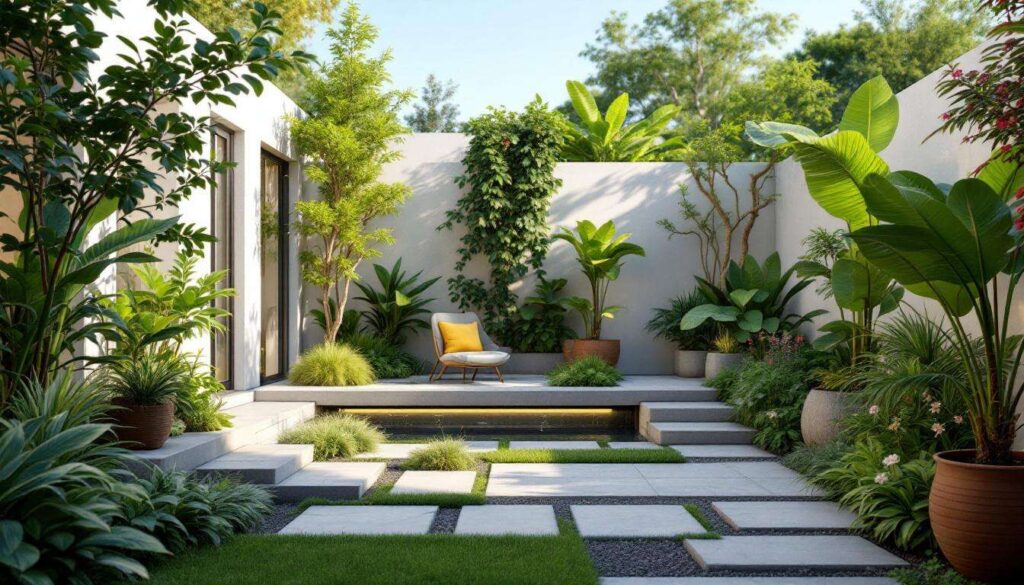
The alternative approach embraces thoughtful simplicity rather than sterile minimalism. This means incorporating generous planting zones within clean design frameworks, using permeable materials, and ensuring that even compact gardens include layers of vegetation. Native grasses, ground covers, and carefully selected shrubs can maintain a contemporary aesthetic whilst supporting local ecosystems. The key lies in recognising that gardens serve purposes beyond human visual pleasure.
As we reconsider the role of minimalism, attention naturally turns to another long-standing garden convention that demands substantial resources whilst offering limited ecological benefit.
The end of perfectly manicured lawns
The traditional pristine lawn, maintained through intensive mowing, watering, and chemical treatments, represents an increasingly outdated approach to garden design. This labour-intensive feature consumes disproportionate amounts of water, time, and energy whilst contributing minimally to biodiversity.
Resource demands of conventional lawns
| Resource | Annual consumption (typical 100m² lawn) |
|---|---|
| Water | 15,000-25,000 litres |
| Mowing time | 25-35 hours |
| Fuel/electricity | 20-30 litres or 150-200 kWh |
| Fertiliser | 3-5 kg |
Embracing meadow alternatives
Forward-thinking gardeners are replacing monoculture grass lawns with diverse meadow plantings, clover-rich lawns, or mixed ground covers. These alternatives require far less maintenance, support pollinators through extended flowering periods, and create visually interesting tapestries of colour and texture throughout the seasons. Allowing grass to grow longer between cuts and incorporating wildflowers transforms a biological desert into a thriving micro-habitat.
The movement away from uniform lawns connects closely with a broader rejection of rigid, formal garden structures that have long dictated traditional landscape design.
Goodbye to rigid borders
Formal borders with strictly defined edges, geometric precision, and regimented plant spacing are giving way to more naturalistic, flowing designs. These overly structured arrangements often require constant maintenance and fail to replicate the resilience found in natural plant communities.
The limitations of formal planting
Traditional rigid borders typically feature plants arranged by height in strict rows, with clearly delineated edges maintained through regular trimming. This approach creates several problems:
- High maintenance requirements for edge definition
- Limited plant diversity within prescribed zones
- Reduced opportunities for beneficial plant interactions
- Vulnerability to pest and disease due to monoculture-like groupings
- Unnatural appearance that lacks seasonal dynamism
Organic planting schemes
Contemporary approaches favour layered, naturalistic planting where boundaries soften and plants intermingle. This style draws inspiration from how plants grow in nature, creating communities that support each other through complementary root systems, mutual pest protection, and efficient resource use. Allowing plants to self-seed and spread according to their preferences results in gardens that require less intervention whilst appearing more established and harmonious.
Just as rigid design structures are being reconsidered, the plant species themselves are under scrutiny, particularly those that threaten native ecosystems.
The eradication of invasive plants
Certain popular garden plants have proven themselves to be ecological threats, escaping cultivation to colonise natural habitats and displace native species. Awareness of these invasive species is prompting their removal from responsible garden designs.
Commonly problematic species
Several plants once widely recommended for gardens are now recognised as invasive in British ecosystems. Japanese knotweed remains the most notorious example, but others include:
- Himalayan balsam, which outcompetes native riverbank vegetation
- Montbretia, spreading aggressively in mild regions
- Rhododendron ponticum, acidifying soil and shading out native flora
- New Zealand pigmyweed, choking waterways
- Spanish bluebell, hybridising with native bluebells
Responsible alternatives
For every invasive species, native or well-behaved alternatives exist that provide similar aesthetic qualities without ecological risks. Purple loosestrife can replace Himalayan balsam, native honeysuckle offers climbing beauty without the aggression of Japanese honeysuckle, and British native aquatic plants provide waterway interest without invasive tendencies. Gardeners increasingly research plant origins and behaviour before introduction, recognising their responsibility as stewards of the broader landscape.
Beyond outright invasive species, the broader question of plant origins and their appropriateness in British gardens deserves examination.
The declining influence of exotic plants
Whilst not necessarily invasive, many exotic plant species offer limited value to local wildlife and often require additional resources to thrive in climates far from their native ranges. The trend towards ecologically functional planting is reducing reliance on these species.
The wildlife value gap
Research consistently demonstrates that native insects, particularly specialist pollinators, often cannot utilise exotic plants effectively. A garden filled with species from distant continents may appear lush but function as a food desert for local fauna. Native plants have co-evolved with local wildlife over millennia, creating intricate relationships that exotic species cannot replicate.
Climate-appropriate selections
Rather than attempting to grow plants unsuited to British conditions through intensive watering, soil amendment, and winter protection, sustainable garden design emphasises species naturally adapted to local climate patterns. This approach reduces maintenance, improves plant health, and creates gardens better equipped to withstand increasingly variable weather conditions. Mediterranean plants suited to dry summers, for instance, struggle during wet British winters, requiring intervention that native alternatives do not.
Plant selection represents just one aspect of creating sustainable gardens; the materials and accessories we incorporate also warrant careful consideration.
The disappearance of plastic accessories
Garden centres have long stocked countless plastic items, from plant pots to decorative edging, but awareness of plastic pollution and microplastic contamination is driving their removal from thoughtful garden designs.
The hidden costs of plastic in gardens
Plastic garden products degrade under ultraviolet light, releasing microplastics into soil and waterways. These particles accumulate in ecosystems, entering food chains and persisting for centuries. Even seemingly durable plastic items become brittle and fragment over time, creating ongoing pollution. The manufacturing process itself carries significant environmental costs through petroleum extraction, energy-intensive production, and transportation emissions.
Sustainable material alternatives
Viable alternatives exist for virtually every plastic garden product:
- Terracotta, ceramic, or wooden planters instead of plastic pots
- Natural fibre plant ties replacing plastic versions
- Metal or wooden edging rather than plastic borders
- Biodegradable seed trays and pots made from coir or paper
- Woven willow or hazel structures instead of plastic supports
These materials often prove more durable, age gracefully, and eventually return harmlessly to the environment. Whilst initial costs may be higher, longevity and ecological benefits justify the investment for environmentally conscious gardeners.
The transformation of garden design reflects a broader cultural shift towards sustainability, ecological responsibility, and recognition of gardens as vital components of local ecosystems rather than isolated aesthetic statements. Moving away from invasive minimalism, resource-intensive lawns, rigid formal structures, problematic plant species, and plastic accessories creates outdoor spaces that support biodiversity, require fewer inputs, and contribute positively to environmental health. These changes need not sacrifice beauty; indeed, gardens designed with ecological principles often display greater visual interest, seasonal variation, and natural harmony than their conventional predecessors. As understanding deepens regarding the interconnections between garden practices and broader environmental impacts, these trends will likely continue evolving, pushing garden design towards ever more sustainable and ecologically integrated approaches that benefit both human inhabitants and the wildlife communities sharing our outdoor spaces.