



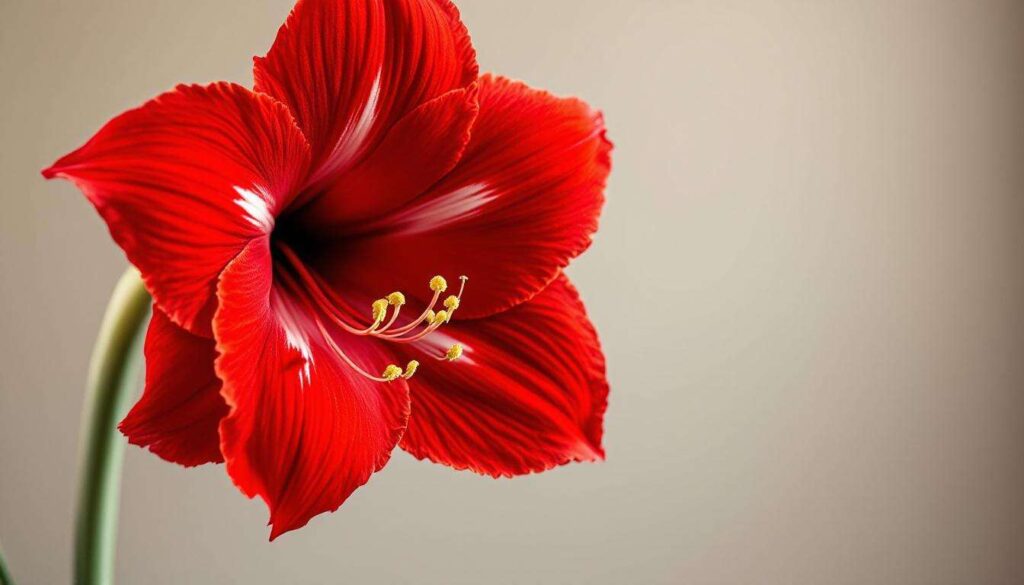
The festive season brings with it the striking beauty of amaryllis blooms, their trumpet-shaped flowers commanding attention in homes across the country. Yet as the petals fade and the holidays draw to a close, many find themselves pondering whether their amaryllis bulb deserves a second chance or should simply be discarded. The answer lies in understanding the remarkable resilience of these bulbs and the relatively straightforward process required to coax them into flowering again. With proper care and attention, that seemingly spent bulb can deliver spectacular blooms for years to come, making it a worthwhile investment of time and effort.
Understanding the life cycle of the amaryllis
The natural growth pattern
The amaryllis follows a predictable annual cycle that mirrors its native South American habitat. After the spectacular flowering period, which typically lasts between two to three weeks, the plant enters a crucial vegetative phase. During this time, the bulb focuses its energy on photosynthesis through its strap-like leaves, replenishing the nutrients depleted during flowering. This foliage period is essential for building the reserves needed for the following year’s display.
Energy storage mechanisms
The bulb functions as a sophisticated storage organ, accumulating carbohydrates and nutrients throughout the growing season. Understanding this process helps explain why maintaining healthy foliage after flowering proves so critical. The following factors influence energy storage:
- Duration of leaf exposure to sunlight
- Quality and frequency of fertilisation
- Adequate watering during active growth
- Temperature conditions during the vegetative phase
This biological understanding forms the foundation for successful amaryllis cultivation and explains why the bulb shouldn’t be immediately discarded once the flowers fade. The plant’s ability to regenerate stems directly from the energy reserves accumulated during these post-flowering months.
Why keep the bulb after the holidays
Economic and environmental benefits
Retaining your amaryllis bulb makes both financial and ecological sense. A quality amaryllis bulb can produce flowers for decades with proper care, eliminating the need for annual purchases. The environmental impact of discarding viable bulbs adds unnecessary waste to landfills, whilst the production and transportation of replacement bulbs carries its own carbon footprint.
| Consideration | New bulb annually | Saved bulb |
|---|---|---|
| Cost over 5 years | £75-100 | £15-20 |
| Environmental impact | High | Minimal |
| Bloom potential | Variable | Increases yearly |
Enhanced flowering potential
Mature amaryllis bulbs often produce multiple flower stalks as they age, with some specimens generating three or even four stems simultaneously. This increased flowering capacity develops over successive seasons, meaning your saved bulb could deliver progressively more impressive displays. Additionally, established bulbs may produce offset bulblets, allowing you to propagate new plants and expand your collection without additional expense.
These compelling reasons demonstrate why preservation efforts prove worthwhile, leading naturally to the practical steps required to ensure success.
How to prepare the bulb for another bloom
Post-flowering care essentials
Once the flowers have faded, remove the flower stalk by cutting it approximately two inches above the bulb. This prevents the plant from expending energy on seed production. Continue watering regularly and position the plant in a bright location where it receives abundant indirect sunlight. This period of active growth typically extends from late winter through summer.
Fertilisation schedule
Implement a consistent feeding programme to maximise nutrient accumulation. Apply a balanced liquid fertiliser every two to three weeks throughout the growing season. The following guidelines ensure optimal results:
- Use a water-soluble fertiliser with equal nitrogen, phosphorus and potassium ratios
- Dilute to half the recommended strength to avoid salt build-up
- Cease fertilisation in late summer as dormancy approaches
- Maintain consistent moisture levels without waterlogging
This careful attention during the growing phase sets the stage for the dormancy period that follows.
The winter conservation steps
Initiating dormancy
Amaryllis bulbs require a rest period of eight to twelve weeks to trigger flowering. In early autumn, gradually reduce watering frequency until the foliage begins to yellow naturally. Once the leaves have completely died back, cease watering entirely. Store the potted bulb in a cool, dark location where temperatures remain between 10-15°C. Suitable storage areas include unheated garages, basements or spare rooms.
Monitoring during dormancy
Check the bulb periodically throughout the dormancy period to ensure it remains firm and healthy. The bulb should feel solid to the touch, without soft spots or signs of rot. If the outer papery layers become loose, this is normal and not cause for concern. However, any mushiness or foul odour indicates problems requiring immediate attention.
This dormancy period proves crucial for flower bud formation, preparing the bulb for its spring awakening.
When and how to replant the bulb in spring
Timing considerations
After the prescribed dormancy period, typically in late winter or early spring, the bulb is ready for reactivation. Look for signs of new green growth emerging from the bulb’s neck, which indicates readiness. If replanting for holiday blooms, count backwards approximately eight to ten weeks from your desired flowering date to determine the optimal planting time.
Planting methodology
Select a pot only slightly larger than the bulb, leaving approximately two inches of space around the circumference. Amaryllis bulbs flower best when slightly pot-bound. Use a well-draining potting mixture and position the bulb so that one-third to one-half remains above the soil surface. The following steps ensure proper establishment:
- Water thoroughly after planting to settle the soil
- Place in a warm location with bright, indirect light
- Withhold additional water until growth appears
- Resume regular watering once the flower stalk emerges
These careful planting practices establish the conditions necessary for robust flowering.
Optimising the bloom for the following year
Environmental factors
Temperature management significantly influences flowering quality. Maintain room temperatures between 18-21°C during the growing and flowering periods. Cooler temperatures can extend bloom duration, whilst excessive heat may cause flowers to fade prematurely. Adequate light exposure remains equally important, with amaryllis requiring bright, indirect sunlight for optimal performance.
Long-term maintenance strategies
Successful amaryllis cultivation extends beyond a single season. Consider repotting every three to four years using fresh compost to replenish nutrients. As bulbs mature and multiply, you may need to divide offset bulblets, which can be planted separately once they reach approximately one-third the size of the parent bulb. Consistency in care routines yields the most reliable results, with established bulbs often flowering predictably at the same time each year.
Saving your holiday amaryllis bulb represents a rewarding horticultural endeavour that combines practicality with the satisfaction of nurturing a plant through its complete life cycle. The process requires minimal effort relative to the spectacular returns, with mature bulbs producing increasingly impressive displays over time. By understanding the plant’s natural rhythms and providing appropriate care during each phase, you can enjoy these magnificent blooms year after year. The initial investment in a quality bulb transforms into a lasting source of beauty, proving that the best holiday gifts are often those that continue giving long after the decorations have been packed away.