



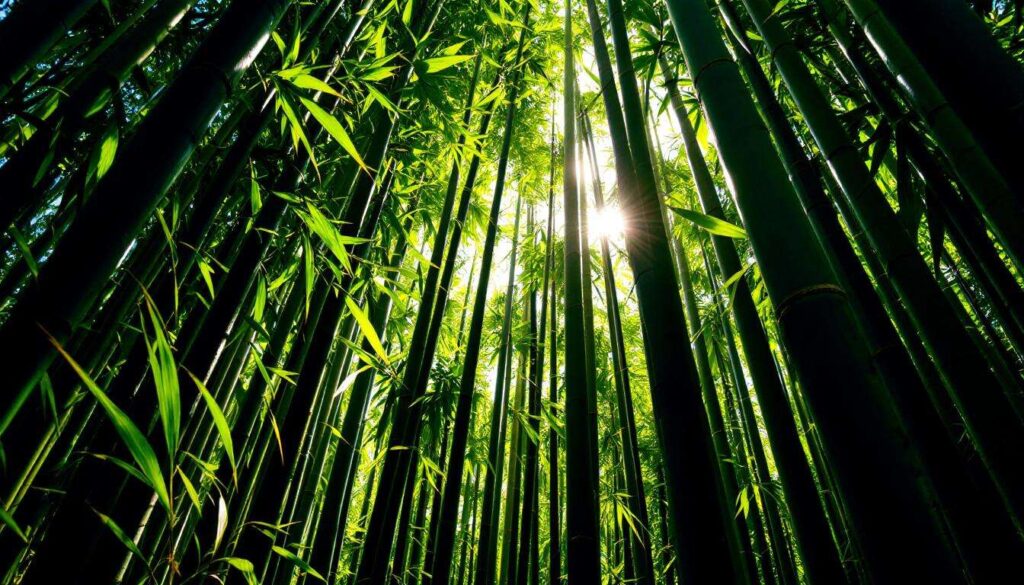
Scientists and conservationists have raised concerns about a rare bamboo species whose extraordinary flowering pattern spans over a century. This remarkable plant, which blooms only once every 120 years, faces unprecedented threats that could prevent it from ever flowering again. The convergence of climate change, habitat destruction, and human activity has created a perfect storm of challenges for this botanical marvel, prompting urgent calls for conservation action.
Understanding the bamboo flowering cycle
Bamboo exhibits one of nature’s most peculiar reproductive strategies, with certain species following what scientists call gregarious flowering. This phenomenon involves entire populations of genetically identical bamboo plants flowering simultaneously after decades of vegetative growth, regardless of their geographical location or environmental conditions.
The mechanics of synchronised blooming
The flowering process in these bamboo species operates like a biological alarm clock embedded within the plant’s genetic code. Once the predetermined period elapses, the bamboo enters its reproductive phase with remarkable precision. During this time:
- The plant diverts all energy from vegetative growth to flower and seed production
- Leaves begin to yellow and fall as resources are redirected
- Massive quantities of flowers emerge along the culms
- Seeds develop and drop, creating opportunities for new growth
- The parent plant dies after completing its reproductive cycle
This suicidal reproduction strategy, known as monocarpy, ensures that the next generation receives maximum resources without competition from the parent plant. The synchronised death of mature bamboo creates open space and nutrient-rich soil for seedlings to establish themselves.
Understanding these intricate cycles becomes crucial when considering the species most at risk from environmental changes.
The bamboo species involved
Several bamboo species demonstrate extended flowering cycles, but Phyllostachys bambusoides, commonly known as Japanese timber bamboo or madake, stands out with its 120-year flowering interval. This species has particular cultural and ecological significance across East Asia.
Characteristics of long-cycle bamboo
Phyllostachys bambusoides possesses distinctive features that make it both valuable and vulnerable:
| Characteristic | Description |
|---|---|
| Height | 15-20 metres at maturity |
| Culm diameter | 10-15 centimetres |
| Distribution | Japan, China, Taiwan |
| Flowering cycle | 120 years approximately |
| Traditional uses | Construction, crafts, musical instruments |
Other species with extended cycles include Bambusa bambos with a 40-60 year cycle and certain Melocanna species that flower every 48 years. The extreme rarity of witnessing these flowering events means scientific understanding remains limited, based primarily on historical records and anecdotal observations.
The question naturally arises as to why evolution would favour such an extraordinarily long reproductive interval.
Why a 120-year cycle ?
Scientists have proposed several evolutionary hypotheses to explain these extended flowering cycles, though no single theory fully accounts for the phenomenon.
Predator satiation strategy
The most widely accepted explanation centres on predator satiation. By flowering infrequently and producing enormous seed quantities simultaneously, bamboo overwhelms seed predators such as rodents and insects. Even if predators consume vast amounts, sufficient seeds remain to ensure successful regeneration. The 120-year gap prevents predator populations from adapting their life cycles to anticipate bamboo seed availability.
Resource accumulation theory
Another perspective suggests that bamboo requires decades of resource accumulation to produce the massive energy investment needed for flowering and seed production. The plant must:
- Build extensive rhizome networks underground
- Establish stable nutrient reserves
- Develop sufficient biomass to support reproduction
- Create conditions favourable for seedling survival
These biological imperatives connect directly to the broader environmental consequences when flowering occurs.
The ecological impacts of flowering
Mass bamboo flowering events trigger cascading ecological effects that ripple through entire ecosystems, affecting numerous species and environmental processes.
Wildlife population explosions
The sudden abundance of bamboo seeds creates a temporary food bonanza for wildlife. Rodent populations, particularly rats and mice, can increase exponentially during flowering years. Historical records document:
| Region | Year | Rodent population increase |
|---|---|---|
| Northeast India | 2006-2008 | 800% increase |
| Mizoram | 1959-1960 | Catastrophic outbreak |
| Japan | 1960s | Significant surge |
Forest regeneration dynamics
The mass die-off following flowering fundamentally alters forest structure. Sunlight suddenly penetrates previously shaded areas, enabling diverse plant species to colonise. However, this also creates vulnerability to erosion, invasive species establishment, and altered water cycles.
These dramatic shifts in ecosystem function compound the mounting threats facing bamboo populations worldwide.
The risks of bamboo extinction
Multiple converging threats have placed long-cycle bamboo species in unprecedented jeopardy, raising genuine concerns about their survival beyond the current generation.
Climate change disruption
Rising temperatures and altered precipitation patterns may desynchronise the delicate flowering mechanism or create conditions inhospitable for seedling establishment. Climate models suggest:
- Increased frequency of extreme weather events during critical germination periods
- Shifts in temperature ranges beyond species tolerance
- Changes in seasonal patterns affecting growth cycles
- Altered soil moisture regimes impacting rhizome development
Habitat fragmentation
Urbanisation and agricultural expansion have severely fragmented bamboo habitats. Isolated populations face genetic bottlenecks, reduced resilience, and limited ability to recolonise areas after flowering. When populations exist in small, disconnected patches, the natural regeneration process becomes compromised.
Human activity interference
Land conversion during the critical regeneration phase following flowering poses an existential threat. If the 120-year cycle completes but humans have claimed the land for other purposes, no opportunity exists for the next generation to establish itself.
Recognising these mounting pressures has galvanised conservation communities into action.
Conservation efforts to preserve these species
Protecting bamboo species with extended flowering cycles requires innovative approaches that account for their unique biological characteristics and the long timeframes involved.
Seed banking initiatives
Botanical institutions have prioritised collecting and storing bamboo seeds when rare flowering events occur. These genetic reserves provide insurance against extinction, though bamboo seed viability presents challenges:
- Many species produce seeds with limited storage longevity
- Germination requirements remain poorly understood for some species
- Cryopreservation techniques require further development
- Sufficient genetic diversity must be captured during brief flowering windows
Habitat protection and restoration
Establishing protected areas that encompass substantial bamboo populations ensures space for natural regeneration cycles. Conservation programmes focus on:
| Strategy | Implementation |
|---|---|
| Protected reserves | Legal designation of critical bamboo habitats |
| Corridor creation | Connecting fragmented populations |
| Community engagement | Involving local populations in stewardship |
| Monitoring programmes | Tracking population health and distribution |
Research and documentation
Scientists emphasise the importance of comprehensive documentation during flowering events. Each occurrence provides rare opportunities to study reproductive biology, seed characteristics, and regeneration requirements. This knowledge proves essential for developing effective conservation strategies.
International collaboration between botanical gardens, research institutions, and conservation organisations has strengthened capacity to respond when flowering occurs, ensuring that valuable genetic material and scientific data are not lost.
The fate of these remarkable bamboo species ultimately depends on humanity’s willingness to protect habitats across timescales that exceed individual lifetimes. Their 120-year cycles remind us that conservation requires intergenerational commitment, with actions taken now determining whether future generations will witness these extraordinary flowering events. As climate change accelerates and human pressures intensify, the window for effective intervention narrows. Preserving these species demands immediate action to safeguard habitats, collect genetic material, and build knowledge that can guide restoration efforts for decades to come.