



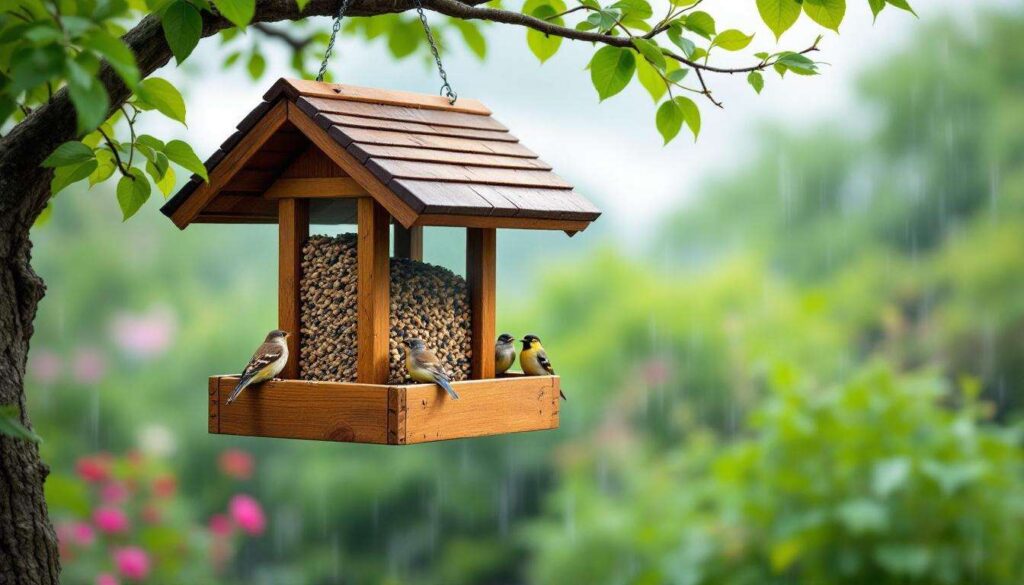
Garden bird feeding has become an essential practice for supporting local wildlife populations, particularly during challenging weather conditions. However, many well-intentioned bird enthusiasts overlook a critical maintenance task that could inadvertently harm the very creatures they aim to help. With changing weather patterns bringing unexpected rainfall, the condition of bird feeders requires immediate attention to prevent potentially fatal consequences for visiting birds.
Importance of bird feeders
Supporting wildlife populations
Bird feeders play a vital role in sustaining garden bird populations, especially when natural food sources become scarce. These supplementary feeding stations provide essential nutrition during periods when insects, seeds, and berries are difficult to locate. Research indicates that regular feeding can significantly improve survival rates amongst smaller bird species during harsh weather conditions.
The benefits extend beyond mere survival. Well-maintained feeding stations contribute to:
- Enhanced breeding success rates amongst garden birds
- Improved plumage condition and overall health
- Increased species diversity in residential gardens
- Valuable opportunities for wildlife observation and education
- Support for declining bird populations facing habitat loss
Year-round feeding considerations
Contrary to popular belief, bird feeding should not be limited to winter months. Summer feeding remains equally important as parent birds require high-energy foods whilst raising their young. The nutritional demands during breeding season are substantial, and supplementary feeding can make the difference between successful fledging and nest failure.
Understanding these fundamental benefits highlights why proper feeder maintenance becomes a responsibility rather than an optional task, particularly when weather conditions threaten to compromise food safety.
Why check feeders before rain
Moisture and contamination risks
Rainfall poses specific threats to bird feeder contents that many gardeners fail to recognise. When water penetrates feeding stations, it creates conditions that can rapidly deteriorate food quality. Seeds and nuts absorb moisture quickly, leading to swelling and textural changes that make them less palatable and potentially dangerous for consumption.
The timing of checks proves crucial. Pre-emptive inspection before predicted rainfall allows gardeners to remove vulnerable food items and make necessary adjustments to feeder positioning or protection. Waiting until after rain has fallen means contamination may already have occurred, requiring complete feeder cleaning and food replacement.
Preventing food spoilage
Wet bird food deteriorates at an alarming rate. The combination of moisture, warmth, and organic matter creates an ideal environment for bacterial growth and mould development. These processes can begin within hours of water exposure, rendering previously safe food hazardous to bird health.
| Food Type | Spoilage Time When Wet | Primary Risk |
|---|---|---|
| Seed mixtures | 12-24 hours | Mould growth |
| Peanuts | 6-12 hours | Aflatoxin production |
| Fat balls | 24-48 hours | Bacterial contamination |
| Dried mealworms | 4-8 hours | Fungal development |
These timeframes demonstrate why proactive checking matters significantly more than reactive cleaning, setting the stage for understanding the specific health dangers wet feeders present.
Risks associated with wet feeders
Disease transmission dangers
Aspergillosis represents one of the most serious threats arising from contaminated bird feeders. This fungal infection affects the respiratory system and can prove fatal to birds, particularly smaller species with limited immune resilience. The fungus Aspergillus fumigatus thrives in damp, mouldy conditions, making wet feeders ideal breeding grounds.
Additional diseases linked to poorly maintained feeders include:
- Salmonellosis, causing digestive system failure
- Trichomoniasis, affecting the throat and digestive tract
- Avian pox, transmitted through contaminated surfaces
- E. coli infections from bacterial growth in wet food
Physical hazards for birds
Beyond disease, wet feeders present mechanical dangers that can injure or trap birds. Soaked seed can clump together, creating masses that birds struggle to access. Their attempts to extract food may result in beak damage or entrapment. Furthermore, wet perches become slippery, increasing the risk of falls and injuries, particularly for older or weakened birds.
Impact on vulnerable species
Juvenile birds and those already stressed by environmental factors face disproportionate risks from contaminated feeders. Their developing or compromised immune systems cannot effectively combat infections that healthy adult birds might resist. This vulnerability means that a single contaminated feeder can impact entire local populations, particularly during breeding season when young birds are most numerous.
Recognising these serious risks underscores the necessity for implementing practical maintenance strategies that prevent such scenarios.
Tips for maintaining bird feeders
Regular cleaning schedules
Weekly cleaning represents the minimum standard for responsible bird feeder maintenance. This frequency increases during wet weather periods when contamination risks escalate. Effective cleaning requires complete disassembly of feeders, removal of all food debris, and thorough washing with hot water and wildlife-safe disinfectant.
A comprehensive cleaning routine should include:
- Scrubbing all surfaces with a dedicated brush
- Rinsing thoroughly to remove disinfectant residue
- Allowing complete drying before refilling
- Inspecting for damage or wear requiring repair
- Cleaning the ground area beneath feeders
Strategic positioning
Feeder placement significantly influences how weather affects food quality. Positioning feeders under natural shelter such as tree canopies or building overhangs provides protection from direct rainfall whilst maintaining accessibility for birds. However, ensure adequate clearance from potential predator launching points.
Appropriate food quantities
Portion control prevents waste and reduces contamination risks. Rather than filling feeders to capacity, provide smaller amounts that birds consume within one or two days. This approach ensures food remains fresh and minimises the volume requiring disposal if weather conditions deteriorate unexpectedly.
These practical measures form the foundation of a broader approach to safe bird feeding practices.
Best practices for safe bird feeding
Selecting weather-resistant feeders
Investment in quality feeder design pays dividends in terms of reduced maintenance and improved bird safety. Look for models featuring drainage holes, protective roofs, and materials resistant to moisture damage. Metal and high-grade plastic feeders generally outperform wooden alternatives in wet conditions, though wooden feeders can be treated with bird-safe preservatives.
Food storage considerations
Proper storage of bird food prevents pre-contamination before it even reaches feeders. Store seed, nuts, and other foods in airtight containers within cool, dry locations. Check stored food regularly for signs of moisture, mould, or pest infestation, discarding any compromised supplies immediately.
| Storage Method | Shelf Life | Key Advantage |
|---|---|---|
| Metal bins | 6-12 months | Pest-proof and moisture-resistant |
| Plastic containers | 3-6 months | Lightweight and affordable |
| Original packaging | 1-3 months | Convenient but vulnerable |
Multiple feeding station strategy
Distributing several smaller feeders throughout your garden offers advantages over maintaining a single large station. This approach reduces overcrowding, minimises disease transmission between birds, and allows you to remove individual feeders for cleaning without eliminating all feeding opportunities. Spacing feeders at least two metres apart helps prevent territorial disputes amongst visiting birds.
Understanding how weather patterns influence bird behaviour provides additional context for these feeding strategies.
The impact of weather on bird behaviour
Feeding patterns during rainfall
Birds demonstrate remarkable adaptability to changing weather conditions, but rain significantly alters their feeding behaviour. Many species reduce activity during heavy rainfall, sheltering until conditions improve. However, light rain or drizzle often sees continued feeding, particularly amongst species with urgent energy requirements.
This behavioural variation means that feeders remain in use during wet weather, making contamination prevention all the more critical. Birds cannot assess food safety as humans can, relying instead on visual and textural cues that may not reveal microbial contamination.
Seasonal weather considerations
Different seasons present distinct challenges for bird feeding. Spring rainfall coincides with breeding season when nutritional demands peak. Summer storms can be intense but brief, whilst autumn brings prolonged damp periods. Winter combines cold temperatures with precipitation, creating conditions where birds desperately need reliable food sources but feeders face maximum contamination risk.
Adapting maintenance routines to seasonal patterns ensures consistent support for garden birds throughout the year, regardless of weather variations.
Maintaining clean, dry bird feeders represents a fundamental responsibility for anyone choosing to support garden wildlife. The risks associated with contaminated feeding stations extend far beyond simple food wastage, potentially causing serious illness or death amongst bird populations. Regular inspection before rainfall, combined with thorough cleaning routines and strategic feeder placement, creates safe feeding environments that genuinely benefit birds rather than endangering them. By implementing these straightforward practices, gardeners can ensure their well-intentioned efforts translate into meaningful support for local bird communities whilst avoiding the inadvertent harm that neglected feeders can cause.