



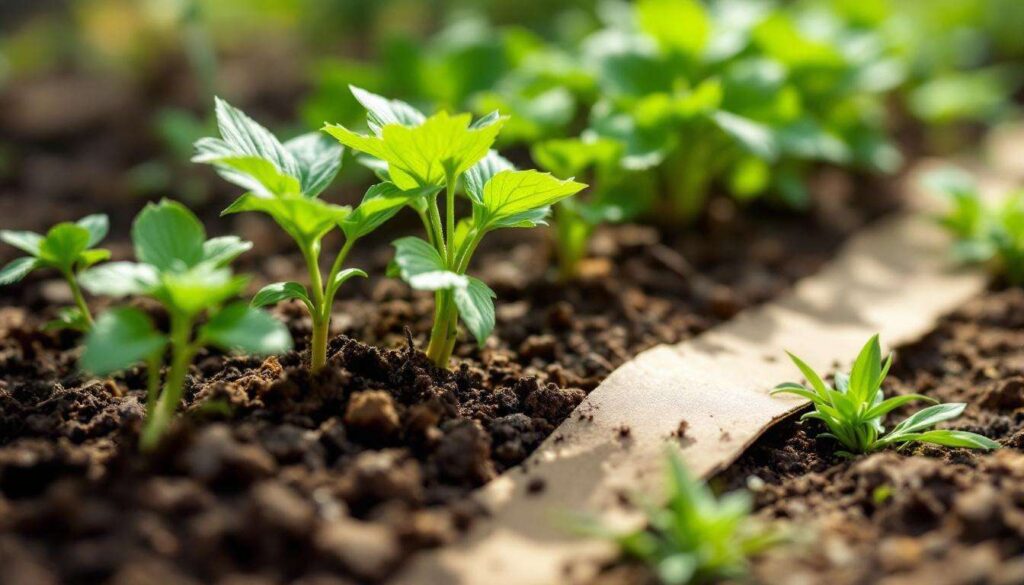
Garden maintenance can quickly become overwhelming when weeds take hold, stealing nutrients and water from prized plants whilst creating an endless cycle of pulling, hoeing and spraying. Cardboard mulch offers a straightforward solution that tackles this problem at its root, literally blocking unwanted growth for months whilst simultaneously enriching the soil beneath. This method has gained considerable attention amongst both experienced gardeners and beginners seeking to reduce their workload without resorting to chemical interventions. By understanding how to layer cardboard effectively, gardeners can transform problematic areas into productive spaces with minimal ongoing effort.
Advantages of cardboard mulch
Weed suppression without chemicals
The primary benefit of cardboard mulch lies in its ability to suppress weeds naturally by creating a physical barrier that blocks sunlight from reaching the soil surface. Without adequate light, weed seeds cannot germinate, and existing weeds struggle to push through the layers. This approach eliminates the need for herbicides, making it particularly appealing for organic gardeners and those concerned about chemical residues in their growing spaces. The effectiveness typically lasts between six to twelve months, depending on the cardboard thickness and environmental conditions.
Cost-effectiveness and accessibility
Unlike commercial weed barriers or landscape fabrics, cardboard represents an exceptionally affordable option for garden improvement. Most households generate cardboard waste regularly, and additional supplies can often be obtained free from local shops, particularly those selling appliances or furniture. This accessibility makes the technique viable for gardeners working with limited budgets or those managing large areas where purchasing commercial products would prove prohibitively expensive.
Soil improvement benefits
As cardboard decomposes, it contributes valuable organic matter to the soil structure, improving water retention and creating habitat for beneficial organisms. The breakdown process encourages earthworm activity, which further aerates the soil and distributes nutrients throughout the growing medium. This dual function of weed suppression and soil enhancement distinguishes cardboard mulch from synthetic alternatives that merely block weeds without providing additional ecological benefits.
Understanding these advantages naturally leads to questions about the mechanisms that make this simple material so effective in garden settings.
How cardboard mulch works
The light-blocking mechanism
Cardboard functions primarily through photosynthesis interruption, preventing light from reaching the soil surface where weed seeds await germination signals. The cellulose fibres create a dense mat that proves impenetrable to most plant shoots, particularly when multiple layers are applied. Even perennial weeds with established root systems eventually exhaust their energy reserves when unable to photosynthesize, leading to their decline over several months.
Moisture regulation properties
The material’s structure allows water to penetrate whilst reducing evaporation, creating a more consistent moisture environment for plant roots. This regulation proves particularly beneficial during dry periods, as the cardboard layer helps retain irrigation water and rainfall. The moisture also facilitates the decomposition process, gradually transforming the cardboard into humus-rich material that integrates with the existing soil.
Biological activity enhancement
Beneath the cardboard layer, a thriving ecosystem develops as decomposer organisms break down the cellulose. This activity includes:
- Fungal networks that colonise the cardboard fibres
- Bacterial populations that process organic compounds
- Earthworms attracted to the moist, protected environment
- Beneficial insects that shelter in the decomposing material
With these mechanisms understood, implementing the technique becomes a straightforward process requiring minimal equipment or expertise.
Steps to create your mulch
Site preparation requirements
Before laying cardboard, mow or cut existing vegetation as short as possible to reduce the bulk beneath the mulch layer. Remove any woody stems or particularly aggressive perennial weeds by hand, as these may require additional attention. Water the area thoroughly if the soil is dry, as moisture helps activate the decomposition process and ensures good contact between cardboard and ground.
Cardboard selection and preparation
Choose plain corrugated cardboard without glossy coatings or excessive printing, as these may contain chemicals unsuitable for garden use. Remove all tape, staples and plastic labels before application. Larger pieces prove easier to work with and create fewer gaps, though smaller sections can fill awkward spaces around existing plants.
Layering technique
Apply cardboard in overlapping sheets, ensuring edges overlap by at least 15 centimetres to prevent weed breakthrough at seams. For particularly persistent weeds, double-layering provides additional suppression. The application process follows these steps:
- Lay first layer of cardboard across prepared area
- Overlap edges generously to eliminate gaps
- Water thoroughly to soften and settle the material
- Add second layer if dealing with aggressive weeds
- Cover with decorative mulch or compost
Top dressing application
Apply a 5 to 10 centimetre layer of organic material over the cardboard to improve aesthetics, hold the cardboard in place and provide additional weed suppression. Suitable materials include wood chips, straw, compost or leaf mould. This top layer also protects the cardboard from UV degradation and creates an attractive finished appearance.
Beyond the practical implementation, the environmental considerations of this approach deserve careful examination.
The ecological impact of cardboard mulch
Waste reduction benefits
Diverting cardboard from waste streams represents a meaningful contribution to reducing landfill burden. The average household generates substantial cardboard waste annually, and repurposing this material in gardens prevents methane emissions associated with anaerobic decomposition in landfills. This circular approach aligns with broader sustainability principles by finding productive uses for materials before they enter disposal systems.
Carbon sequestration potential
As cardboard decomposes in garden settings, much of its carbon content becomes incorporated into stable soil organic matter rather than being released immediately to the atmosphere. This sequestration, whilst modest at individual garden scale, contributes to overall carbon storage when adopted widely. The practice also reduces fossil fuel consumption associated with manufacturing and transporting commercial weed control products.
Biodiversity support
The protected environment beneath cardboard mulch supports various organisms that contribute to garden health:
| Organism type | Population increase | Garden benefit |
|---|---|---|
| Earthworms | 200-300% rise | Improved soil structure |
| Ground beetles | 150% rise | Pest control |
| Beneficial fungi | 400% rise | Nutrient cycling |
Maximising the effectiveness of cardboard mulch requires attention to specific application details and timing considerations.
Tips to optimise its use
Seasonal timing recommendations
Apply cardboard mulch during autumn or early spring for optimal results, as these periods provide adequate moisture for decomposition whilst giving the material time to suppress weeds before peak growing season. Autumn application proves particularly effective, as winter moisture softens the cardboard and weakens perennial weed roots before spring growth attempts.
Integration with planting schemes
When establishing new beds, cut crosses or circles in the cardboard to accommodate transplants whilst maintaining weed suppression between plants. For vegetable gardens, lay cardboard pathways between growing rows to eliminate maintenance in non-productive areas. Perennial borders benefit from cardboard application around established plants, extending outward as the plants mature.
Maintenance practices
Monitor cardboard mulch regularly and address any issues promptly:
- Add additional mulch if cardboard becomes exposed
- Repair gaps where persistent weeds emerge
- Water during dry periods to maintain decomposition
- Remove any plastic or tape that becomes visible
Combining with other techniques
Cardboard mulch works exceptionally well alongside companion planting and cover cropping strategies. Once the cardboard has partially decomposed, sow green manures directly through the remaining material to continue soil improvement. The technique also complements no-dig gardening approaches, as it eliminates the need for soil disturbance whilst preparing new growing areas.
Despite its straightforward nature, certain errors can undermine the effectiveness of cardboard mulching.
Common mistakes to avoid with cardboard mulch
Using inappropriate cardboard types
Avoid glossy or heavily printed cardboard, particularly pizza boxes with grease contamination or boxes with plastic coating. These materials may contain chemicals unsuitable for food production areas or decompose too slowly to provide timely soil benefits. Waxed cardboard, whilst biodegradable, takes considerably longer to break down and may impede water penetration.
Insufficient overlap and coverage
The most frequent failure occurs when gaps between cardboard pieces allow weed breakthrough. Even small openings provide sufficient light for opportunistic weeds to establish. Pay particular attention to edges around permanent features like fences or walls, where gaps commonly occur. Double-check coverage before applying top dressing, as corrections become difficult once mulch is in place.
Inadequate top layer application
Exposed cardboard degrades rapidly under UV exposure and becomes unsightly as it weathers. A minimum 5 centimetre covering of organic mulch protects the cardboard whilst improving aesthetics. Insufficient coverage also allows the cardboard to dry out, slowing decomposition and reducing effectiveness. Wind can displace inadequately covered cardboard, creating gaps that undermine weed suppression.
Neglecting soil preparation
Applying cardboard over tall weeds or uneven ground creates air pockets that reduce effectiveness. These spaces allow some weed species to continue growing, eventually pushing through the barrier. Proper site preparation ensures good soil contact and maximises the light-blocking properties of the mulch layer.
Cardboard mulch represents a practical convergence of waste reduction, weed management and soil improvement that suits gardens of any scale. The technique’s effectiveness stems from its simple light-blocking mechanism, which naturally suppresses unwanted growth whilst fostering beneficial soil organisms. Success requires attention to proper layering, adequate overlap and appropriate top dressing, but the resulting reduction in maintenance effort justifies the initial investment of time. By avoiding common errors such as insufficient coverage or inappropriate cardboard selection, gardeners can establish productive growing spaces that require minimal intervention for months. This approach demonstrates how readily available materials can solve persistent gardening challenges whilst supporting broader environmental objectives.