


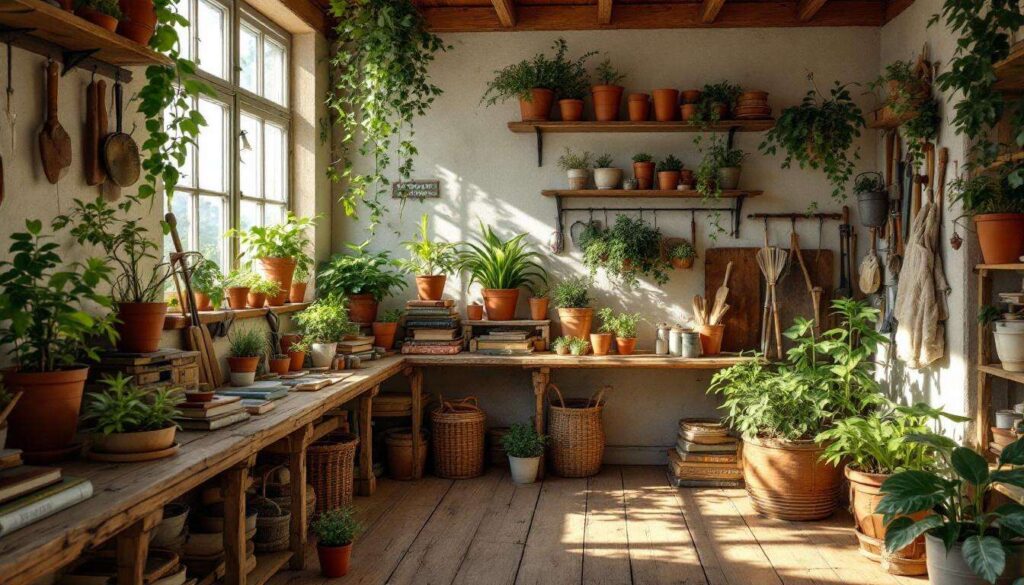
The potting shed occupies a unique position in the gardener’s domain, serving simultaneously as a practical workspace and a repository of cherished memories. These modest structures have evolved from purely functional outbuildings into spaces that capture the essence of traditional gardening whilst accommodating modern needs. Striking the right balance between utility and nostalgic appeal requires thoughtful consideration of materials, layout, and decorative elements. Whether inherited from previous generations or newly constructed with vintage inspiration, the potting shed offers an opportunity to create a sanctuary where horticultural tasks become pleasurable rituals rather than mere chores.
Introducing the charm of the potting shed
The historical significance of garden workspaces
Potting sheds emerged during the Victorian era as dedicated spaces for propagating plants and preparing seedlings. These structures reflected the period’s fascination with botanical experimentation and the growing middle-class enthusiasm for gardening. Traditional potting sheds featured robust timber construction, large windows for natural light, and simple yet durable fittings designed to withstand decades of use. The authentic charm of these buildings lies not in superficial decoration but in their honest functionality and the patina acquired through years of service.
Why nostalgic design remains relevant today
Modern gardeners increasingly seek refuge from digital distractions, and the potting shed provides precisely this escape. The nostalgic aesthetic connects us to time-honoured gardening traditions whilst offering psychological benefits that sterile, contemporary spaces cannot replicate. Research suggests that environments incorporating vintage elements promote mindfulness and reduce stress levels. The potting shed’s charm stems from its ability to transport us to a simpler era whilst supporting contemporary horticultural practices.
Understanding this foundation helps inform decisions about materials and layout that honour tradition whilst embracing practicality.
Creating a charming atmosphere with vintage materials
Selecting authentic building materials
The choice of materials fundamentally determines the character of your potting shed. Reclaimed timber offers both environmental credentials and instant aged appeal, with weathered planks telling stories of previous lives. Consider these material options:
- Salvaged barn wood for wall cladding and shelving
- Terracotta tiles or brick flooring for durability and period authenticity
- Cast iron fixtures and hinges that develop attractive rust patinas
- Traditional glass panes rather than modern double glazing for windows
- Corrugated metal roofing for that distinctive sound during rainfall
Incorporating architectural salvage
Architectural salvage yards provide treasures that inject immediate character into potting shed designs. An old butler’s sink becomes a practical washing station, whilst vintage cupboard doors create storage with personality. Window frames from demolished buildings offer both visual interest and practical ventilation. These elements should appear purposeful rather than randomly assembled, with each piece earning its place through functionality as well as aesthetics.
Colour palettes that evoke nostalgia
Traditional colour schemes enhance the vintage atmosphere without overwhelming the space. Heritage paint colours in muted greens, soft greys, and warm creams complement natural materials whilst providing a cohesive backdrop. Consider this comparison of popular potting shed colour schemes:
| Colour Scheme | Primary Shade | Accent Colours | Best For |
|---|---|---|---|
| Traditional English | Sage green | Cream, terracotta | Cottage gardens |
| Rustic farmhouse | Weathered grey | White, natural wood | Rural settings |
| Victorian conservatory | Deep forest green | Black, gold accents | Formal gardens |
With the aesthetic foundation established through materials and colours, attention turns to maximising the functional aspects of the space.
Optimising working space without sacrificing style
Strategic layout planning
Effective potting shed design positions the primary work surface beneath the largest window to capitalise on natural light. This central bench should stand at a comfortable height, typically between 85 and 90 centimetres, preventing back strain during extended potting sessions. Surrounding this focal point, create distinct zones for different activities: seed starting, tool storage, and potting mix preparation. The zonal approach maintains workflow efficiency whilst preventing the cluttered appearance that undermines nostalgic charm.
Vertical storage solutions
Maximising vertical space proves essential in smaller potting sheds. Wall-mounted shelving, pegboards, and hanging racks keep tools accessible without consuming precious floor area. These elements should complement rather than compete with the vintage aesthetic:
- Open timber shelving displaying attractive pots and vintage containers
- Brass hooks for hanging hand tools and garden twine
- Wire baskets mounted on walls for storing seed packets and labels
- Ladder-style plant stands that double as display features
- Ceiling-mounted drying racks for herbs and flowers
Multipurpose furniture choices
Furniture in the potting shed should earn its place through versatility. A vintage workbench with drawers provides both workspace and storage, whilst an old wooden stool serves as seating and an impromptu plant stand. Foldable elements prove particularly valuable, allowing the space to adapt to different tasks without permanent commitment to any single configuration. The key lies in selecting pieces with inherent character that enhance rather than diminish the nostalgic atmosphere.
Once the spatial organisation achieves the right balance, the focus shifts to the practical matter of tool management.
Organising tools: aesthetics and practicality
Display versus concealment strategies
Not all tools deserve prominent display. Vintage hand tools with wooden handles and brass fittings become decorative elements when hung on walls, whilst modern plastic implements benefit from discreet storage. This selective approach maintains visual appeal without compromising functionality. Glass-fronted cabinets showcase attractive items whilst protecting them from dust, and galvanised metal bins conceal less photogenic necessities like fertilisers and pest control products.
Creating dedicated tool stations
Establishing specific locations for frequently used tools streamlines workflow and prevents the frustrating searches that interrupt gardening momentum. Consider implementing these dedicated stations:
- A potting station with compost, pots, labels, and dibbers within arm’s reach
- A propagation area with rooting hormone, sharp knives, and clean containers
- A maintenance corner for sharpening stones, oil, and cleaning supplies
- A watering station with cans, hose fittings, and spray bottles organised by size
Labelling systems that complement vintage style
Practical organisation requires clear labelling, but modern printed labels clash with nostalgic interiors. Handwritten tags on manila card or slate labels attached with garden twine maintain period authenticity whilst providing necessary information. Vintage-style metal labels, embossed or hand-stamped, offer durability for permanent storage locations. Chalkboard paint applied to jar lids or drawer fronts allows flexible labelling that can be updated as contents change.
With tools properly organised, attention naturally turns to the living elements that complete the potting shed atmosphere.
The role of plants in a nostalgic atmosphere
Selecting period-appropriate varieties
The plants inhabiting and surrounding the potting shed should reflect heritage gardening traditions. Heirloom varieties of herbs, old-fashioned scented geraniums, and traditional cottage garden favourites reinforce the vintage aesthetic. Within the shed itself, shade-tolerant ferns and ivies thrive in lower light conditions whilst contributing to the verdant, lived-in atmosphere. These selections should appear purposeful rather than accidental, with each plant contributing to either practical use or atmospheric effect.
Displaying plants as decorative elements
Strategic plant placement transforms the potting shed from mere workspace into a garden room. Trailing plants softening shelf edges, collections of terracotta pots in graduating sizes, and windowsill herb gardens all contribute visual interest without impeding functionality. Consider these display approaches:
- Grouping pots by material and colour for cohesive visual impact
- Using vintage containers such as enamel buckets and wooden crates as planters
- Creating height variation with plant stands and stacked crates
- Positioning flowering plants near the entrance to provide welcoming fragrance
- Hanging air plants from exposed beams for unexpected botanical interest
Seasonal rotation strategies
Maintaining fresh appeal requires rotating plants according to season and condition. Spring bulbs forced in vintage containers give way to summer herbs, followed by autumn chrysanthemums and winter evergreens. This rotation prevents the stagnant appearance that undermines charm whilst ensuring the space remains vibrant throughout the year. Plants past their prime should be promptly removed, as declining specimens detract from rather than contribute to nostalgic appeal.
Establishing these living elements completes the initial transformation, but sustaining the balance requires ongoing attention.
Tips for maintaining harmony over time
Regular decluttering routines
The potting shed’s charm depends upon controlled accumulation rather than indiscriminate hoarding. Implement quarterly reviews of contents, removing broken tools, empty containers, and expired products. This discipline prevents the descent from characterful clutter into chaotic mess. Establish clear criteria for retention: items must be either functional, beautiful, or sentimentally significant. Those failing all three categories should be discarded or relocated.
Preserving vintage materials
Authentic aged materials require appropriate maintenance to prevent deterioration whilst preserving their weathered appeal. Timber benefits from annual treatment with natural oils that nourish without creating artificial shine. Metal fixtures should be cleaned but not overly polished, as some patina contributes to character. Address structural issues promptly to prevent minor problems escalating into major repairs that compromise authenticity.
Balancing new additions with existing character
As needs evolve, new items inevitably enter the potting shed. The challenge lies in integrating modern necessities without disrupting established atmosphere. Apply these principles when introducing new elements:
- Choose neutral colours for contemporary items to minimise visual disruption
- Store modern tools in vintage containers to disguise their origins
- Position necessary but aesthetically incompatible items in less visible locations
- Remove packaging and labels from new products before storage
- Consider whether vintage alternatives might serve the same purpose
The potting shed represents more than a garden outbuilding; it embodies a philosophy of gardening that values tradition, craftsmanship, and the unhurried pleasure of working with plants. By carefully selecting materials that honour historical precedent, organising space to support efficient workflow, and maintaining living elements that reinforce nostalgic atmosphere, gardeners create sanctuaries that serve both practical and emotional needs. The balance between hard-working functionality and charming aesthetics requires initial thoughtfulness and ongoing attention, but the reward is a space that enriches every gardening task undertaken within its walls. This harmonious environment ultimately enhances not just the potting shed itself but the entire gardening experience, reconnecting us with time-honoured practices whilst supporting contemporary horticultural ambitions.