



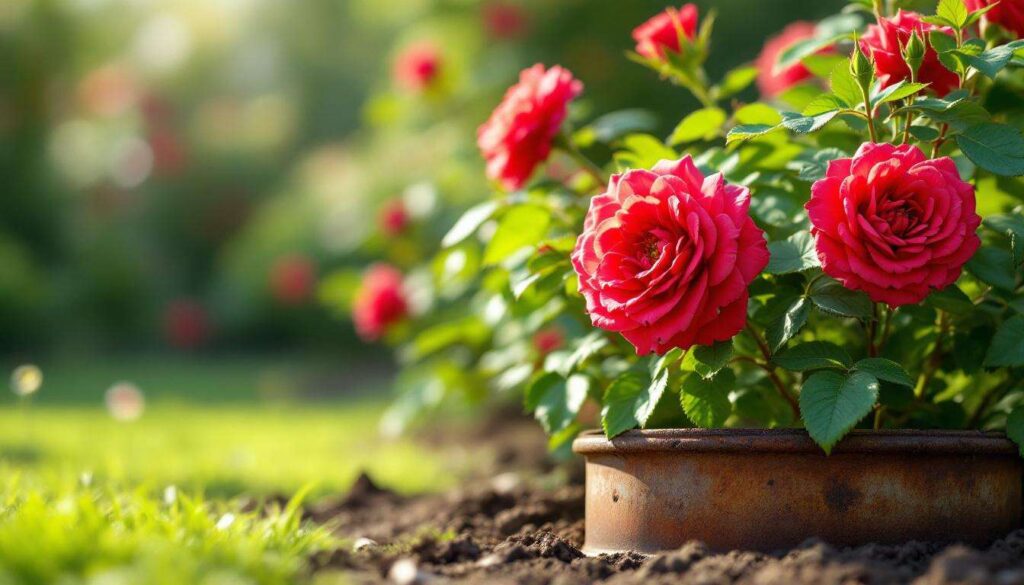
Experienced gardeners often develop peculiar habits that seem unconventional to novices, yet yield remarkable results. Among these practices, one stands out for its simplicity and effectiveness: burying rusty metal objects beneath rose bushes. This age-old technique has been quietly passed down through generations of horticulturists, transforming struggling plants into vibrant specimens with abundant blooms. The science behind this method reveals a fascinating relationship between iron oxidation and plant nutrition, offering a sustainable solution to common deficiencies that plague rose cultivation.
Introduction to the phenomenon of rusty metal under rose bushes
Historical roots of the practice
The tradition of placing rusty metal objects near rose bushes dates back centuries, originating in rural communities where gardeners noticed improved plant vigour near discarded iron tools. French and English gardeners particularly embraced this technique, observing that roses growing near old iron gates or abandoned farm equipment displayed deeper green foliage and more prolific flowering. This empirical knowledge preceded scientific understanding of plant nutrition by generations.
Common objects used by gardeners
Contemporary practitioners employ various rusty items for this purpose:
- Old nails and screws collected from renovation projects
- Discarded horseshoes from stables and farriers
- Sections of rusted chain or wire fencing
- Worn-out garden tools beyond repair
- Cast iron fragments from broken cookware
The key requirement remains consistent: the metal must contain iron and display visible oxidation, as stainless steel or aluminium provides no comparable benefit.
Initial observations from rose enthusiasts
Gardeners who adopt this method typically report noticeable improvements within several weeks. The most frequently cited changes include intensified leaf colour, increased bud formation, and enhanced disease resistance. These anecdotal reports have sparked curiosity among horticultural researchers, leading to investigations into the biochemical mechanisms at play. Understanding why this simple intervention works requires examining the fundamental nutritional needs of roses.
The unsuspected benefits of iron for plants
Iron’s role in chlorophyll production
Iron serves as a crucial micronutrient in plant metabolism, particularly in the synthesis of chlorophyll molecules. Whilst not directly incorporated into chlorophyll structure, iron acts as an essential catalyst in the enzymatic processes that construct these light-capturing compounds. Without adequate iron availability, plants cannot produce sufficient chlorophyll, resulting in the characteristic yellowing condition known as chlorosis.
Impact on photosynthesis efficiency
The presence of iron directly influences photosynthetic capacity through multiple pathways:
- Facilitates electron transport within chloroplasts
- Supports the function of cytochrome enzymes
- Enables nitrogen fixation and assimilation
- Promotes protein synthesis essential for growth
Roses with optimal iron levels demonstrate measurably higher photosynthetic rates, translating into more vigorous growth and abundant flower production.
Specific requirements of rose bushes
Roses exhibit particularly high iron demands compared to many ornamental plants. Their extensive root systems and rapid growth rates during the flowering season create substantial nutritional requirements. The following table illustrates comparative iron needs:
| Plant Type | Iron Requirement (mg/kg soil) | Deficiency Sensitivity |
|---|---|---|
| Rose bushes | 8-12 | High |
| Lavender | 3-5 | Low |
| Tomatoes | 5-8 | Medium |
| Hydrangeas | 6-9 | Medium |
This elevated requirement makes roses especially responsive to supplemental iron sources, explaining why the rusty metal technique produces such dramatic results with these particular plants. The method of delivering this essential nutrient matters significantly for effectiveness.
How to choose the right piece of rusty metal
Size and surface area considerations
The effectiveness of rusty metal depends largely on surface area exposure to soil moisture. Larger objects with extensive oxidation provide more sustained iron release than small, lightly rusted items. A horseshoe or section of chain measuring 10-15 centimetres offers ideal proportions for standard rose bushes, whilst miniature varieties require correspondingly smaller pieces.
Types of metal to prioritise
Not all rusty metals deliver equivalent benefits:
- Cast iron: provides slow, steady iron release over multiple seasons
- Mild steel: oxidises readily, offering moderate-term supplementation
- Wrought iron: combines durability with effective nutrient delivery
- Avoid galvanised metal: zinc coating interferes with iron availability
- Avoid painted metal: coatings prevent oxidation and may contain toxins
Safety considerations when selecting materials
Whilst rusty iron benefits roses, certain precautions ensure safe implementation. Avoid metals from unknown sources that might contain lead paint or industrial contaminants. Objects previously used in automotive applications may harbour oil residues or heavy metals unsuitable for garden use. Thoroughly inspect potential materials, rejecting anything with suspicious coatings or chemical odours. Clean metal from garden tools or household items represents the safest choice for this application. Proper placement techniques maximise the benefits whilst minimising potential drawbacks.
Techniques for placing metal at the base of rose bushes
Optimal depth and positioning
Correct placement ensures maximum iron availability to feeder roots. Bury the rusty metal 5-10 centimetres below the soil surface, positioned approximately 15-20 centimetres from the main stem. This location intersects with the primary root zone without risking damage to major structural roots. For established bushes, create a small trench at the drip line where feeder roots concentrate, gently inserting the metal before backfilling with soil.
Timing recommendations throughout the year
Implementation timing influences effectiveness:
- Early spring: ideal for new plantings and maximum growing season benefit
- Autumn: allows gradual iron release before spring growth surge
- Avoid mid-summer: root disturbance during active growth causes stress
- Winter placement: acceptable in mild climates with unfrozen soil
Complementary soil amendments
Rusty metal works most effectively when soil conditions favour iron uptake. Acidic to neutral pH levels (6.0-7.0) enhance iron solubility and availability. Alkaline soils bind iron into insoluble compounds, reducing the technique’s effectiveness. Incorporate organic matter such as compost or well-rotted manure, which improves soil structure and maintains optimal pH ranges. Avoid excessive phosphorus fertilisation, as high phosphate levels inhibit iron absorption even when adequate supplies exist. These placement strategies initiate changes that develop progressively over time.
Long-term effects on the health of rose bushes
Visible improvements in foliage quality
Within four to six weeks of implementation, attentive gardeners notice enhanced leaf coloration. Previously pale or yellowish foliage transitions to deep, vibrant green as chlorophyll production increases. Leaf size often improves simultaneously, with individual leaves displaying fuller development and more robust texture. These changes indicate improved photosynthetic capacity, providing energy for enhanced overall plant performance.
Enhanced flowering characteristics
The most celebrated benefit manifests in flowering abundance and quality. Roses receiving adequate iron typically produce:
- 20-30% more flower buds per season
- Larger individual blooms with improved petal count
- More intense colour saturation in petals
- Extended flowering periods with better repeat blooming
- Stronger stems supporting flower weight without drooping
Disease resistance improvements
Adequate iron nutrition strengthens plant immune responses. Well-nourished roses demonstrate greater resistance to common fungal diseases including black spot and powdery mildew. The enhanced vigour allows plants to compartmentalise infections more effectively, limiting disease spread. This natural resilience reduces reliance on chemical fungicides, supporting more sustainable gardening practices. However, achieving these benefits requires avoiding certain pitfalls that undermine effectiveness.
Precautions and tips to avoid common mistakes
Risks of excessive iron accumulation
Whilst iron deficiency poses problems, excessive accumulation creates toxicity concerns. Symptoms of iron overload include bronzing of older leaves, stunted root development, and interference with phosphorus uptake. Limit rusty metal placement to one appropriately sized piece per bush, monitoring foliage for signs of imbalance. Most garden soils naturally buffer against toxicity, but sandy or highly acidic conditions warrant particular caution.
Monitoring soil pH levels
Regular pH testing prevents complications:
- Test soil annually before spring growth commences
- Maintain pH between 6.0-6.8 for optimal iron availability
- Apply lime cautiously if pH drops below 5.5
- Use sulphur to reduce alkalinity above 7.5
Balancing with other nutrients
Iron supplementation works best within a comprehensive nutrition programme. Continue providing balanced fertilisation addressing nitrogen, phosphorus, and potassium requirements. Micronutrients including manganese, zinc, and copper must remain available in appropriate ratios. The rusty metal technique addresses one specific deficiency but cannot substitute for complete plant nutrition. Observe roses regularly, adjusting care practices based on plant responses rather than rigid schedules.
The practice of placing rusty metal beneath rose bushes represents a elegant convergence of traditional wisdom and botanical science. This simple intervention addresses iron deficiency through gradual, natural release mechanisms that align with plant uptake patterns. Gardeners who implement the technique correctly observe remarkable improvements in foliage quality, flowering abundance, and overall plant vigour. Success requires selecting appropriate metal objects, positioning them correctly within the root zone, and maintaining balanced soil conditions that facilitate iron availability. When combined with attentive general care, this time-honoured method transforms ordinary rose cultivation into extraordinary displays of horticultural achievement.