

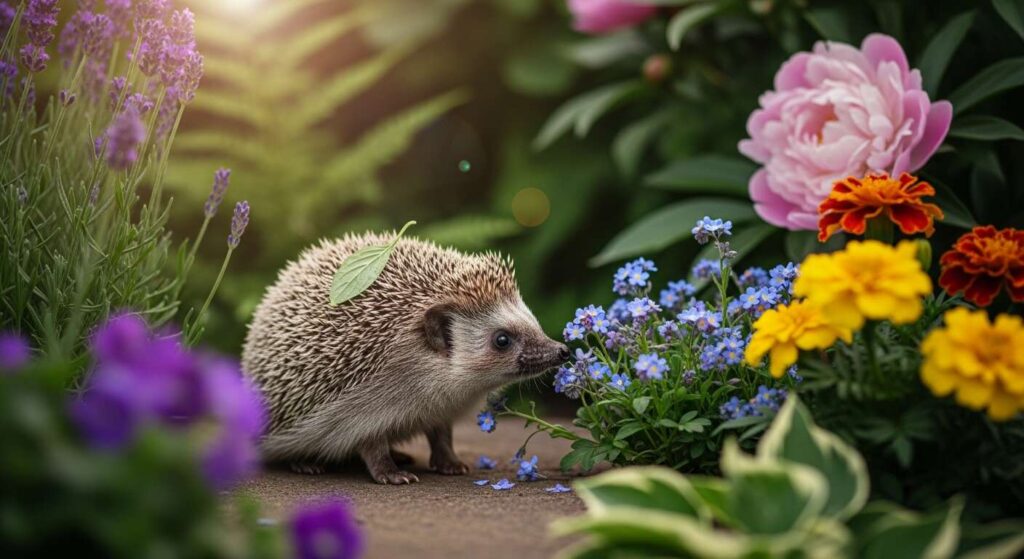
Hedgehogs are facing a dramatic decline across the UK, with populations falling by nearly 50% in rural areas over the past two decades. These charming nocturnal mammals are not only delightful garden visitors but also invaluable allies in maintaining a healthy outdoor space. By implementing a straightforward setup, you can transform your garden into a hedgehog haven and witness these spiky creatures arriving within days. Understanding their needs and creating an environment that supports their natural behaviours will ensure these beneficial animals choose your garden as their preferred habitat.
Why choose to attract hedgehogs to your garden
Natural pest control benefits
Hedgehogs are exceptional pest controllers that work tirelessly throughout the night. Their diet consists primarily of insects and invertebrates that many gardeners consider troublesome. By welcoming hedgehogs into your garden, you gain a natural and chemical-free solution to pest management.
- Slugs and snails: hedgehogs consume hundreds of these garden pests weekly
- Beetles and caterpillars: regular dietary components that protect your plants
- Earwigs and millipedes: controlled naturally without harmful pesticides
- Ground-dwelling insects: managed populations prevent garden damage
Environmental and ecological advantages
Supporting hedgehog populations contributes to broader biodiversity goals within your local ecosystem. These mammals serve as indicator species, meaning their presence suggests a healthy and balanced environment. When hedgehogs thrive in your garden, it demonstrates that your outdoor space supports various wildlife forms and maintains ecological integrity.
| Ecological benefit | Impact on garden |
|---|---|
| Soil aeration | Improved drainage and plant health |
| Seed dispersal | Natural plant propagation |
| Food chain support | Balanced predator-prey relationships |
| Organic matter cycling | Enhanced soil fertility |
Beyond the practical advantages, these considerations naturally lead to understanding how to create the physical conditions that make hedgehogs feel secure and welcome.
Preparing a safe space for hedgehogs
Creating accessible entry points
The first essential step involves ensuring hedgehogs can actually enter your garden. These animals require surprisingly large territories, often covering over one kilometre per night whilst foraging. Solid fencing and walls create impenetrable barriers that prevent hedgehogs from accessing your space, regardless of how appealing the interior might be.
- Cut 13cm by 13cm holes in fence panels at ground level
- Create gaps beneath gates using bricks or wooden blocks
- Remove concrete or gravel boards that block access
- Coordinate with neighbours to establish wildlife corridors
- Mark hedgehog highways with small signs to prevent accidental blocking
Eliminating garden hazards
Gardens contain numerous hidden dangers that can injure or kill hedgehogs. A thorough safety assessment identifies and removes these threats, creating an environment where hedgehogs can forage without risk. Ponds represent particular dangers, as hedgehogs swim well but cannot escape steep-sided water features.
Critical hazards to address: cover drains and deep holes with wire mesh, install ramps in ponds and water features, remove or secure netting that lies on the ground, check compost heaps before forking, eliminate slug pellets and chemical pesticides, and secure or remove garden canes at ground level.
With safety measures in place, attention must turn to the dietary requirements that will encourage hedgehogs to return regularly.
Offering suitable food for hedgehogs
Appropriate food choices
Whilst hedgehogs are primarily insectivores, supplementary feeding helps them build reserves, particularly during spring and autumn. However, providing incorrect food can cause serious health problems or even prove fatal. Understanding what to offer ensures you support rather than harm visiting hedgehogs.
| Recommended foods | Foods to avoid |
|---|---|
| Meat-based cat or dog food | Milk and dairy products |
| Specialist hedgehog food | Bread and baked goods |
| Crushed cat biscuits | Mealworms in large quantities |
| Fresh water | Salted or seasoned foods |
Feeding station setup
Creating a dedicated feeding area protects food from other animals and weather whilst allowing hedgehogs easy access. A simple feeding station can be constructed from basic materials and positioned strategically within your garden.
- Use a plastic storage box with 13cm entrance holes
- Place feeding bowls inside to prevent cats accessing food
- Position stations in quiet, sheltered garden areas
- Clean bowls daily to prevent bacterial growth
- Provide fresh water in shallow, heavy dishes
- Feed during evening hours when hedgehogs become active
Alongside nutrition, hedgehogs require appropriate shelter to rest during daylight hours and hibernate through winter.
Creating a warm and welcoming shelter
Natural shelter options
Hedgehogs instinctively seek dense, protected spaces for nesting and hibernation. Rather than purchasing expensive purpose-built homes, you can create effective shelters using materials already available in most gardens. These natural options often prove more attractive to hedgehogs than artificial alternatives.
Log piles stacked loosely in quiet corners provide excellent nesting opportunities. Leave a space at the base and cover with leaves, creating a waterproof roof using old wood or tiles. Overgrown areas beneath sheds or decking also serve as ideal locations, particularly when supplemented with dry leaves and straw.
Purpose-built hedgehog houses
For those preferring structured solutions, hedgehog houses offer reliable shelter when positioned correctly. These boxes replicate natural nesting conditions whilst providing additional protection from predators and weather.
- Position houses in quiet, undisturbed garden areas
- Face entrances away from prevailing winds
- Place under hedges or against walls for stability
- Add tunnels or entrance corridors for security
- Fill with dry leaves, straw, or shredded newspaper
- Avoid disturbing houses between November and March
Shelter alone cannot sustain hedgehog populations; the surrounding environment must provide the resources these animals need throughout the year.
Maintaining an ecological and diverse garden
Pesticide-free gardening practices
Chemical pesticides devastate hedgehog populations both directly and indirectly. Direct poisoning occurs when hedgehogs consume contaminated prey, whilst indirect effects include eliminating their natural food sources. Transitioning to organic gardening methods supports hedgehogs whilst creating a healthier environment overall.
| Chemical method | Organic alternative |
|---|---|
| Slug pellets | Beer traps and copper barriers |
| Insecticides | Companion planting and natural predators |
| Herbicides | Manual weeding and mulching |
| Fungicides | Proper spacing and air circulation |
Creating habitat diversity
A varied garden structure provides hedgehogs with multiple foraging opportunities and shelter options throughout the seasons. Monoculture lawns offer minimal value, whereas diverse planting schemes support abundant invertebrate populations that form the hedgehog diet.
- Allow grass areas to grow longer in designated zones
- Plant native species that attract insects
- Create compost heaps for invertebrate populations
- Leave fallen leaves in borders through winter
- Incorporate berry-producing shrubs for autumn food sources
- Maintain some untidy areas with natural debris
Once hedgehogs begin visiting regularly, ongoing vigilance ensures their continued safety and wellbeing.
Monitoring and protecting the presence of hedgehogs
Identifying hedgehog activity
Confirming hedgehog presence allows you to assess the effectiveness of your setup and make necessary adjustments. These nocturnal animals leave distinctive signs that indicate regular visits, even when direct sightings remain rare.
Droppings approximately 2-5cm long with a dark, shiny appearance and cylindrical shape appear on lawns and pathways. Footprints in soft soil or sand show five toes with visible claw marks. Disturbed feeding stations, partially eaten food, and characteristic snuffling sounds during evening hours all confirm hedgehog activity.
Seasonal considerations and support
Hedgehog needs vary significantly throughout the year, requiring different support strategies across seasons. Understanding these changing requirements ensures your garden remains suitable regardless of weather conditions or breeding cycles.
- Spring: provide supplementary food for breeding females
- Summer: maintain water sources during dry periods
- Autumn: increase feeding to support hibernation preparation
- Winter: never disturb hibernating hedgehogs
- Year-round: check for orphaned hoglets requiring rescue
When to seek professional help
Despite best intentions, hedgehogs sometimes require specialist intervention from wildlife rescue organisations. Recognising when to contact professionals can mean the difference between life and death for injured or sick animals.
| Situation | Action required |
|---|---|
| Hedgehog active during daylight | Contact rescue centre immediately |
| Underweight autumn juveniles | Seek professional assessment |
| Visible injuries or parasites | Arrange veterinary examination |
| Unsteady movement or circling | Emergency rescue intervention |
Attracting hedgehogs to your garden requires minimal investment but delivers substantial rewards for both wildlife and gardeners. By creating accessible entry points, eliminating hazards, providing appropriate food and shelter, maintaining diverse habitats, and monitoring visiting populations, you establish an environment where hedgehogs naturally thrive. These remarkable creatures will begin exploring your garden within days of implementing these measures, returning regularly once they recognise it as a reliable resource. Your efforts contribute directly to conserving a species facing significant population pressures whilst enjoying the practical benefits of natural pest control and the simple pleasure of observing these enchanting animals in their natural behaviours.