



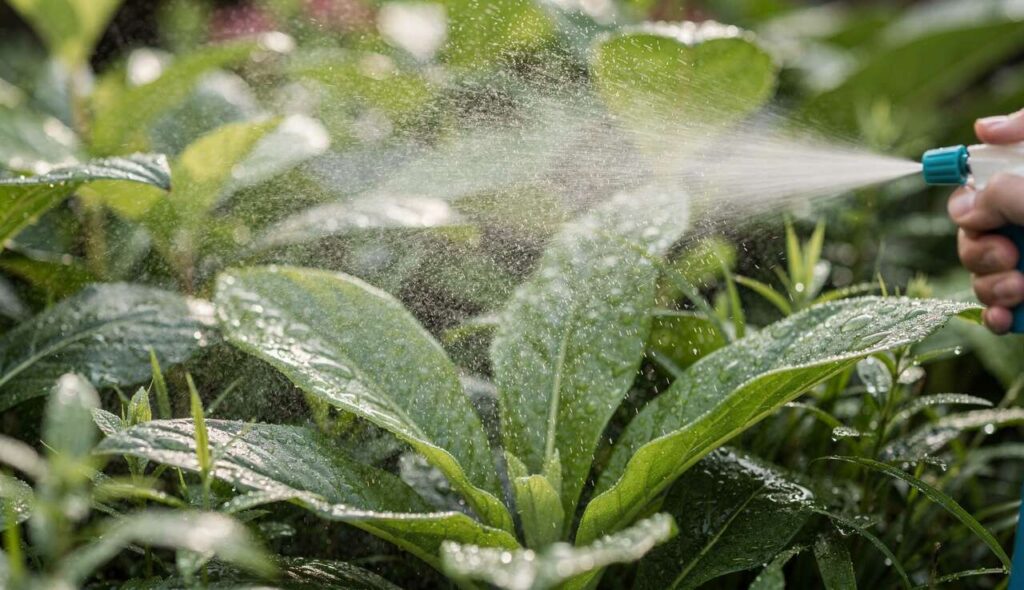
Gardeners across the country face a persistent challenge when white, powdery patches begin to appear on their prized plants. This fungal disease, known as mildew, can quickly spread across garden foliage, weakening plants and diminishing their aesthetic appeal. Whilst commercial fungicides offer solutions, many gardeners seek environmentally friendly alternatives that are both effective and safe for use around children, pets and beneficial insects. A simple household ingredient, baking soda, has emerged as a reliable weapon in the fight against this common garden ailment, offering an accessible and affordable approach to plant protection.
Understanding mildew and its effects on the garden
What is mildew and how does it develop
Mildew refers to two distinct types of fungal infections: powdery mildew and downy mildew. Powdery mildew appears as white or grey dusty patches on leaf surfaces, stems and sometimes flowers, whilst downy mildew manifests as yellow spots on upper leaf surfaces with corresponding fuzzy growth underneath. These fungi thrive in specific environmental conditions, particularly during periods of high humidity combined with moderate temperatures.
The spores spread rapidly through air currents, water splash and physical contact, making prevention crucial once an outbreak begins. Plants weakened by poor growing conditions, inadequate spacing or nutrient deficiencies become particularly susceptible to infection.
Common plants affected by mildew
Certain garden favourites prove especially vulnerable to mildew infections:
- Courgettes and other cucurbits including cucumbers and pumpkins
- Roses, particularly varieties with dense foliage
- Peas and beans during humid summer months
- Begonias and other ornamental bedding plants
- Grapes and fruit trees such as apples
Impact on plant health and yield
Mildew infections compromise plant vitality by interfering with photosynthesis. As the fungal growth covers leaf surfaces, it blocks sunlight from reaching the chlorophyll, reducing the plant’s ability to produce energy. Severe infections lead to premature leaf drop, stunted growth and reduced flowering or fruiting. Vegetables affected by mildew often produce smaller harvests with diminished quality, whilst ornamental plants lose their visual appeal and vigour.
Understanding these detrimental effects highlights the importance of early intervention, which leads naturally to exploring effective treatment options.
Why baking soda is effective against mildew
The science behind baking soda’s antifungal properties
Sodium bicarbonate, commonly known as baking soda, creates an alkaline environment on leaf surfaces that proves inhospitable to fungal growth. Mildew fungi prefer slightly acidic conditions, and when baking soda solution contacts the spores, it alters the pH level sufficiently to inhibit their development and spread. This mechanism disrupts the fungal cell walls and prevents spore germination without harming the plant tissue itself.
Advantages over commercial fungicides
| Aspect | Baking soda solution | Commercial fungicides |
|---|---|---|
| Cost | Minimal expense | Can be expensive |
| Safety | Non-toxic to humans and pets | May contain harmful chemicals |
| Environmental impact | Biodegradable and eco-friendly | Potential environmental concerns |
| Availability | Found in most households | Requires garden centre visit |
This natural approach aligns with organic gardening principles whilst delivering measurable results, making it an attractive option for conscientious gardeners ready to prepare their own treatment.
Preparing a baking soda spray
Essential ingredients and equipment
Creating an effective mildew spray requires only a few readily available items. The basic formula combines baking soda with water and a small amount of liquid soap, which acts as an emulsifier to help the solution adhere to leaf surfaces. You will need:
- One tablespoon of baking soda
- One litre of water (preferably lukewarm)
- Half a teaspoon of liquid soap or washing-up liquid
- A spray bottle with fine mist setting
- A measuring spoon and jug
Step-by-step mixing instructions
Begin by measuring the baking soda carefully, as excessive concentrations may damage sensitive foliage. Pour the lukewarm water into a clean container and add the baking soda, stirring thoroughly until completely dissolved. The slight warmth of the water aids dissolution, ensuring no granules remain that might clog the spray nozzle.
Add the liquid soap last, mixing gently to avoid creating excessive foam. Transfer the solution to your spray bottle using a funnel if necessary. Prepare only the amount needed for immediate use, as the solution loses effectiveness when stored for extended periods.
Optional enhancements for improved efficacy
Some gardeners enhance the basic recipe with additional ingredients. A tablespoon of horticultural oil or vegetable oil can improve adhesion and provide supplementary antifungal properties. Others add a small amount of neem oil for its broad-spectrum pest and disease control benefits. These additions remain optional, as the basic formula proves sufficient for most mildew situations.
With your spray prepared, the focus shifts to proper application techniques for maximum effectiveness.
How to apply the spray on foliage
Timing and weather considerations
Application timing significantly influences treatment success. Apply the spray during early morning or late evening when temperatures are cooler and the sun less intense. Avoid spraying in direct midday sunlight, as the solution may cause leaf scorch on sensitive plants. Choose a calm day without wind to prevent drift and ensure thorough coverage.
Check the weather forecast and avoid application if rain is expected within 24 hours, as precipitation will wash away the treatment before it can take effect.
Proper spraying technique
Thorough coverage proves essential for effective mildew control. Hold the spray bottle approximately 15-20 centimetres from the foliage and apply a fine mist to both upper and lower leaf surfaces, as mildew spores colonise all plant parts. Pay particular attention to:
- Areas already showing signs of infection
- New growth and tender shoots
- Dense foliage where air circulation is limited
- The undersides of leaves where spores often accumulate
Ensure complete coverage without saturating the leaves to the point of runoff, which wastes solution and provides no additional benefit.
Frequency of application
For active infections, apply the baking soda spray every five to seven days until symptoms diminish. As a preventative measure during humid periods, fortnightly applications help protect susceptible plants. Monitor treated plants closely and adjust the frequency based on disease pressure and weather conditions.
Whilst application technique matters greatly, understanding important precautions ensures safe and successful treatment.
Precautions and practical tips
Plants that may be sensitive
Although generally safe, certain plants show sensitivity to baking soda solutions. Test the spray on a small section of foliage before widespread application, particularly on delicate species. Wait 48 hours to observe any adverse reactions such as leaf discolouration or wilting. Plants with hairy or fuzzy leaves may trap the solution, potentially causing damage.
Important safety guidelines
Despite baking soda’s low toxicity, observe basic safety practices. Avoid excessive application, as repeated use may alter soil pH around the plant base. Never exceed the recommended concentration, thinking stronger solutions work better—they do not, and may harm plants instead.
Store the spray bottle clearly labelled and away from children. Rinse the sprayer thoroughly after use to prevent clogging and corrosion.
Complementary cultural practices
Enhance treatment effectiveness through proper garden management:
- Improve air circulation by spacing plants appropriately
- Water at soil level rather than overhead to reduce leaf wetness
- Remove heavily infected leaves and dispose of them away from the garden
- Avoid excessive nitrogen fertilisation which promotes susceptible soft growth
- Mulch around plants to prevent soil-borne spores splashing onto foliage
These practices work synergistically with the baking soda spray, creating conditions unfavourable for mildew development whilst supporting overall plant health and resilience, which brings us to what gardeners can realistically expect from this treatment approach.
Expected results and observations on effectiveness
Timeline for visible improvement
Gardeners typically observe initial results within three to five days of the first application. Existing mildew growth stops spreading, and white patches begin to fade. Complete resolution of established infections may require two to three weeks of consistent treatment. New growth emerging after treatment generally remains free from infection, indicating successful disease suppression.
Limitations of baking soda treatment
Whilst effective for mild to moderate infections, baking soda spray works best as a preventative and early intervention tool rather than a cure for severe outbreaks. Heavily infected plants with extensive leaf damage may require more aggressive treatment or removal to prevent spread to neighbouring plants. The solution does not eradicate fungal spores from the environment, so vigilance and repeated applications remain necessary during favourable conditions for mildew development.
Long-term disease management
Successful mildew control requires an integrated approach combining chemical intervention with cultural practices. Regular monitoring allows early detection when treatment proves most effective. Rotating susceptible crops, choosing resistant varieties where available, and maintaining garden hygiene all contribute to reducing disease pressure over successive growing seasons.
Gardeners who incorporate baking soda spray into their regular maintenance routine report fewer severe outbreaks and healthier plants overall, demonstrating that this simple solution delivers genuine value when used correctly and consistently.
The humble baking soda spray represents an accessible, environmentally responsible approach to managing one of gardening’s most persistent challenges. By understanding mildew’s nature, preparing the solution correctly, applying it with care and combining treatment with sound cultural practices, gardeners can protect their plants effectively without resorting to harsh chemicals. This method proves particularly valuable for organic gardeners and those seeking sustainable solutions that safeguard both plant health and the broader garden ecosystem. Regular application during vulnerable periods, coupled with vigilant monitoring, transforms this kitchen staple into a powerful ally in maintaining vibrant, disease-resistant garden foliage throughout the growing season.