



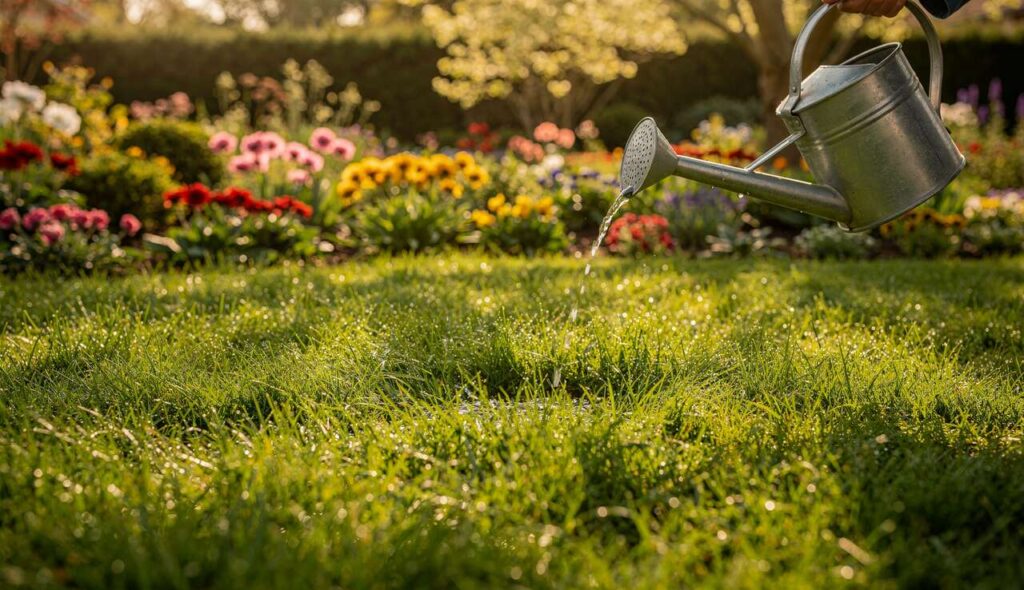
A lush green lawn remains the pride of many British gardens, yet summer heat and drought conditions can quickly transform this verdant carpet into a patchy, brown disappointment. Whilst commercial fertilisers promise quick fixes, an increasing number of gardeners are discovering that homemade solutions not only revive scorched grass more effectively but also prove gentler on the environment and significantly kinder to household budgets. This traditional approach combines simple household ingredients with proven gardening wisdom to restore vitality to stressed turf.
Understanding the causes of a scorched lawn
Environmental stress factors
Lawns typically develop brown patches and dry areas due to prolonged exposure to intense sunlight combined with insufficient moisture. The grass blades lose their ability to photosynthesise effectively when temperatures soar above 30°C, causing the plant to enter a dormant state as a survival mechanism. Water evaporation from soil accelerates during hot spells, leaving roots unable to access the hydration they require for healthy growth.
Common management mistakes
Many homeowners inadvertently contribute to lawn scorching through improper care practices. Cutting grass too short removes the protective leaf surface that shields soil from direct sunlight, whilst irregular watering patterns encourage shallow root development. The following errors frequently exacerbate lawn damage:
- Mowing during peak afternoon heat
- Applying chemical treatments without adequate watering
- Failing to aerate compacted soil
- Over-fertilising with nitrogen-rich products
- Neglecting to adjust irrigation during drought conditions
Recognising these underlying issues provides the foundation for implementing effective recovery strategies that address both symptoms and root causes.
The key ingredients of the homemade recipe
Primary components and their functions
This gardeners’ formula relies on readily available household items that work synergistically to nourish stressed grass. The recipe combines Epsom salt, which supplies essential magnesium for chlorophyll production, with beer containing beneficial enzymes and sugars that stimulate microbial activity in soil. Household ammonia provides a gentle nitrogen boost without the harsh chemicals found in synthetic alternatives.
| Ingredient | Quantity | Primary benefit |
|---|---|---|
| Epsom salt | 240ml | Magnesium supplement |
| Beer (flat) | 350ml | Enzyme activation |
| Household ammonia | 120ml | Nitrogen source |
| Mouthwash | 120ml | Antiseptic properties |
| Washing-up liquid | 60ml | Soil penetration |
Optional enhancement ingredients
Gardeners may incorporate molasses or corn syrup to feed beneficial soil bacteria, whilst seaweed extract adds trace minerals that strengthen grass resilience. These additions prove particularly valuable for lawns recovering from severe stress or those growing in nutrient-depleted soil.
With these components assembled, the preparation process becomes straightforward and accessible to gardeners of all experience levels.
Step-by-step preparation: instructions
Mixing the solution properly
Begin by selecting a large garden sprayer with a capacity of at least 10 litres to ensure adequate coverage. Pour the Epsom salt into the container first, followed by the beer, which should be allowed to go flat overnight before use. Add the ammonia carefully, avoiding splashing, then incorporate the mouthwash and washing-up liquid. Fill the remaining space with lukewarm water, which helps dissolve the salts more effectively than cold water.
Safety precautions during preparation
Always work in a well-ventilated outdoor area when combining these ingredients, as ammonia fumes can irritate respiratory passages. Protective gloves prevent skin contact with concentrated solutions, and clearly labelling the sprayer prevents accidental misuse. The following safety measures ensure risk-free preparation:
- Never mix bleach with ammonia
- Keep children and pets away during mixing
- Rinse equipment thoroughly after use
- Store any remaining solution in a sealed container
- Apply within 48 hours of preparation for maximum effectiveness
Once properly mixed, the solution requires gentle agitation before application to ensure even distribution of all components.
Application and lawn maintenance
Optimal timing and conditions
Apply this homemade treatment during early morning or late evening hours when temperatures remain below 25°C and evaporation rates decrease significantly. The grass should be dry to the touch but the soil slightly moist, ideally one day after regular watering. Avoid application before predicted rainfall, which would dilute the solution before it penetrates the root zone.
Coverage techniques for best results
Spray the mixture evenly across the entire lawn surface, ensuring consistent coverage without oversaturation that causes pooling. A typical 100-square-metre lawn requires approximately 10 litres of diluted solution. Walk at a steady pace whilst sweeping the spray nozzle in overlapping arcs to prevent missed patches.
Post-application care requirements
Water the lawn lightly 24 hours after application to help nutrients penetrate deeper into the soil profile. Maintain regular irrigation schedules, providing approximately 2.5cm of water weekly through either rainfall or supplemental watering. Postpone mowing for at least five days following treatment to allow grass blades to absorb nutrients fully.
Understanding proper application methods naturally leads to examining why this approach outperforms shop-bought alternatives.
Benefits compared to commercial fertilisers
Economic advantages
The cost-effectiveness of this homemade solution proves remarkable when compared to branded lawn treatments. A single batch costs approximately £3-5 to prepare, whilst equivalent commercial products often exceed £20 for similar coverage. Households save substantially over a growing season whilst achieving comparable or superior results.
Environmental and safety considerations
Unlike synthetic fertilisers containing harsh chemicals that leach into groundwater, this natural formula poses minimal environmental risk. The biodegradable ingredients break down harmlessly, supporting rather than disrupting soil ecosystems. Pet and child safety improves dramatically, as the diluted solution presents no toxic hazards once applied and absorbed.
Long-term soil health improvements
Commercial products often provide rapid greening through high nitrogen concentrations but fail to address underlying soil deficiencies. This homemade recipe encourages sustained improvement by:
- Promoting beneficial microbial populations
- Improving soil structure and water retention
- Providing balanced nutrition without chemical buildup
- Reducing dependency on repeated applications
These cumulative advantages set realistic expectations for the transformation gardeners can anticipate.
Expected results and follow-up tips
Timeline for visible improvements
Most lawns display initial signs of recovery within seven to ten days following the first application. Green colour returns gradually to brown patches, whilst grass blades regain their upright posture and resilient texture. Complete restoration of severely scorched areas typically requires three to four treatments spaced three weeks apart throughout the growing season.
Monitoring progress effectively
Photograph the lawn before initial treatment and at weekly intervals to document subtle improvements that might otherwise go unnoticed. Note areas requiring additional attention, such as high-traffic zones or spots with poor drainage that may benefit from supplementary care beyond the fertiliser application.
Maintenance schedule recommendations
Apply this homemade solution monthly during active growing periods from April through September for optimal lawn health. Reduce frequency to bi-monthly applications during cooler months when grass growth naturally slows. Combine treatments with proper mowing height maintenance, keeping blades at 6-8cm to promote deep root development and drought resistance.
Gardeners who embrace this traditional approach discover that patience and consistency yield the most rewarding transformations. A scorched lawn represents not a permanent failure but rather an opportunity to implement sustainable practices that enhance both immediate appearance and long-term vitality. This homemade recipe provides an accessible, affordable alternative to chemical-laden products whilst reconnecting homeowners with time-tested gardening wisdom. The combination of simple ingredients, straightforward application, and proven effectiveness makes lawn recovery achievable for every garden enthusiast willing to invest modest effort into nurturing their outdoor space back to its former glory.