


Unpleasant cooking smells, stale air and lingering odours can transform a welcoming home into an uncomfortable space. Whilst many reach for chemical air fresheners or scented candles, a simple solution sits quietly on kitchen windowsills across the country. This unassuming herb possesses remarkable air-purifying properties that eliminate odours naturally, providing hours of freshness without synthetic fragrances or harmful chemicals.
The secret ingredient of your kitchen: the miracle plant
Basil: the aromatic powerhouse
Basil stands as one of the most effective natural air purifiers available in any household. This common culinary herb contains powerful volatile oils that actively neutralise airborne particles responsible for unpleasant smells. The plant releases compounds including eugenol, linalool and citronellol, which interact with odour molecules and break them down at a molecular level.
Scientific properties behind the freshness
Research has demonstrated that basil’s essential oils possess antimicrobial properties that target bacteria and fungi contributing to indoor odours. The plant continuously releases these beneficial compounds into the surrounding air, creating an invisible shield against unwanted smells. Unlike temporary masking agents, basil actually eliminates odour sources rather than simply covering them.
| Active Compound | Primary Function | Effectiveness Duration |
|---|---|---|
| Eugenol | Antimicrobial action | 4-6 hours |
| Linalool | Odour neutralisation | 3-5 hours |
| Citronellol | Air purification | 2-4 hours |
Understanding these natural mechanisms helps explain why this humble kitchen plant outperforms many commercial products. The combination of these compounds creates a sustained freshening effect that continues working long after initial placement.
Why is this plant so effective against odours ?
Natural absorption capabilities
Basil leaves function as biological filters, absorbing airborne particles through their porous surface structure. The plant’s stomata, tiny openings on leaf surfaces, actively draw in air and process it through natural photosynthesis. This process captures odour-causing molecules and converts them into harmless compounds, effectively cleaning the air continuously throughout the day.
Volatile organic compound release
The herb releases beneficial volatile organic compounds that counteract unpleasant smells through chemical interaction. These natural compounds bond with malodorous molecules, neutralising them before they can be detected by human olfactory receptors. The process occurs rapidly, with noticeable improvements in air quality within minutes of placing fresh basil in a room.
Continuous air improvement
Unlike spray products that provide momentary relief, basil offers sustained air purification. The plant maintains its effectiveness for several hours, continuously releasing fresh aromatic compounds whilst simultaneously absorbing unwanted odours. Key benefits include:
- Immediate odour reduction within 5-10 minutes
- Sustained freshness lasting 4-6 hours from a single application
- No chemical residue or artificial fragrance buildup
- Safe for households with children and pets
- Cost-effective compared to commercial air fresheners
These characteristics make basil particularly valuable in kitchens where cooking odours accumulate, though its applications extend throughout the entire home.
How to use this plant to purify your home
Fresh leaf placement techniques
The most immediate method involves placing fresh basil leaves in strategic locations. Simply tear or bruise several leaves gently to release their essential oils, then position them in small dishes around the affected area. This technique works exceptionally well near rubbish bins, in bathrooms or beside cooking areas where odours concentrate.
Water infusion method
For enhanced effectiveness, create a basil water infusion by placing crushed leaves in a bowl of warm water. The heat accelerates the release of aromatic compounds, dispersing them more rapidly throughout the space. This method proves particularly useful for larger rooms or areas with stubborn odours.
Living plant positioning
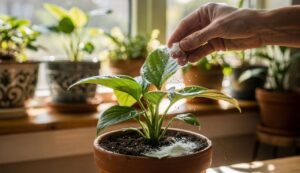
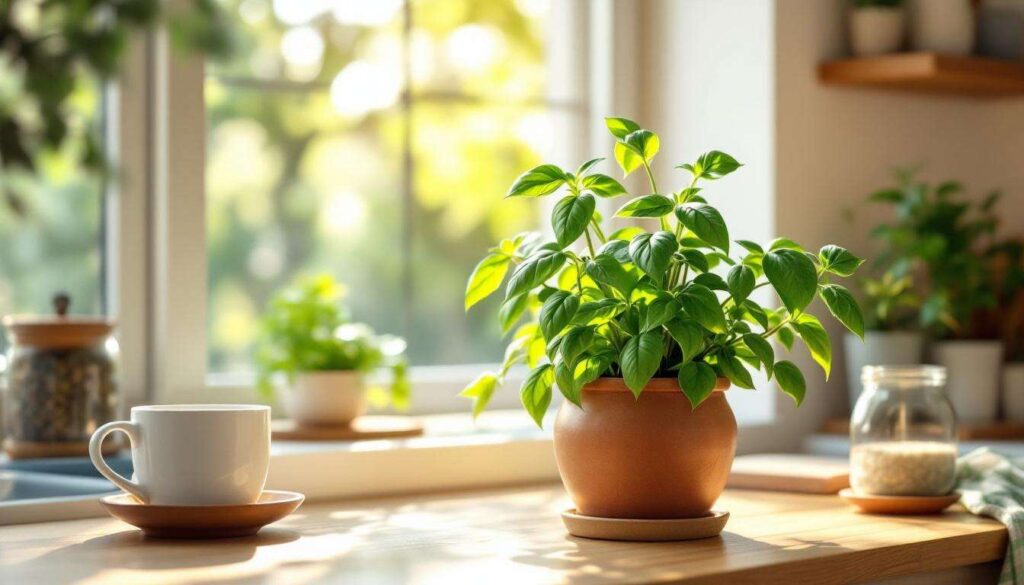
Potted basil plants provide continuous air purification when positioned correctly. Place pots near windows where they receive adequate sunlight whilst simultaneously freshening incoming air. Gently brushing the leaves periodically releases additional oils, boosting the plant’s deodorising effect.
Room-specific applications
| Room Type | Recommended Method | Frequency |
|---|---|---|
| Kitchen | Living plant + fresh leaves | Daily |
| Bathroom | Water infusion | Twice weekly |
| Living room | Potted plant | Continuous |
| Bedroom | Fresh leaves in dish | As needed |
Adapting these methods to specific spaces maximises the plant’s natural capabilities whilst addressing particular odour challenges in different environments.
The natural advantages over chemical deodorisers
Health and safety benefits
Commercial air fresheners often contain synthetic chemicals including phthalates, formaldehyde and volatile organic compounds that may trigger respiratory irritation or allergic reactions. Basil provides a completely natural alternative, releasing only plant-derived compounds that humans have safely consumed for thousands of years. This makes it ideal for households with sensitive individuals, young children or those with respiratory conditions.
Environmental impact
Chemical deodorisers contribute to indoor air pollution and generate plastic waste through aerosol cans and plug-in devices. Basil offers a sustainable solution that reduces environmental footprint whilst providing superior air quality. The plant is biodegradable, renewable and can be composted after use, creating zero waste.
Economic considerations
A single basil plant costs less than most commercial air fresheners yet provides months of continuous use. The financial advantages include:
- Lower initial investment compared to electronic air purifiers
- No recurring costs for refills or replacements
- Dual purpose as both culinary herb and air freshener
- Ability to propagate new plants from cuttings at no cost
- No electricity consumption required
These practical benefits demonstrate why many households are rediscovering this traditional approach to maintaining fresh indoor environments.
Care tips to maximise the plant’s effectiveness
Optimal growing conditions
Healthy basil plants produce more aromatic compounds, making proper care essential for maximum odour-fighting capabilities. Position plants in locations receiving 6-8 hours of bright, indirect sunlight daily. Maintain soil moisture without waterlogging, allowing the top layer to dry slightly between waterings. Temperature stability between 18-24°C encourages robust growth and enhanced oil production.
Pruning for increased potency
Regular pruning stimulates basil to produce more leaves and concentrate its aromatic oils. Pinch off flower buds as they appear to redirect the plant’s energy into leaf production. Harvest leaves from the top of stems, encouraging bushier growth patterns that generate more air-purifying surface area.
Nutrient management
Feed basil plants with balanced liquid fertiliser every two weeks during growing seasons. Proper nutrition enhances the plant’s ability to produce the essential oils responsible for odour neutralisation. Organic fertilisers work particularly well, supporting robust growth without chemical residues.
With proper attention to these cultivation practices, basil plants thrive whilst transforming indoor air quality naturally, making them both decorative and functional additions to living spaces.
Tricks to incorporate this plant into your interior decor
Stylish container choices
Decorative pots transform functional basil plants into attractive design elements. Choose containers that complement existing decor whilst providing adequate drainage. Ceramic pots in neutral tones suit minimalist interiors, whilst colourful glazed options add vibrant accents to traditional spaces. Group multiple plants in coordinating containers for visual impact.
Creative placement ideas
Position basil strategically to maximise both aesthetic appeal and air-purifying benefits:
- Window box arrangements combining basil with complementary herbs
- Tiered plant stands creating vertical gardens in compact spaces
- Hanging planters near kitchen windows for easy access
- Countertop clusters alongside cooking areas
- Bathroom shelf displays for moisture-loving varieties
Integration with design styles
Basil adapts beautifully to various interior aesthetics. In contemporary settings, sleek geometric pots create clean lines. Rustic farmhouse styles benefit from weathered terracotta containers and vintage vessels. Mediterranean-inspired spaces embrace traditional clay pots grouped on sunny windowsills, whilst modern minimalist rooms feature single statement plants in sculptural containers.
These decorative approaches prove that effective air purification need not compromise visual appeal, allowing basil to enhance both atmosphere and aesthetics simultaneously.
Natural air purification through basil offers a practical, economical and aesthetically pleasing alternative to chemical deodorisers. This versatile herb neutralises odours through scientifically proven mechanisms whilst providing sustainable freshness for hours. By understanding proper usage techniques, care requirements and decorative possibilities, households can harness basil’s remarkable properties to maintain naturally fresh indoor environments. The combination of health benefits, environmental advantages and cost savings makes this kitchen staple an invaluable tool for improving air quality throughout the home.