



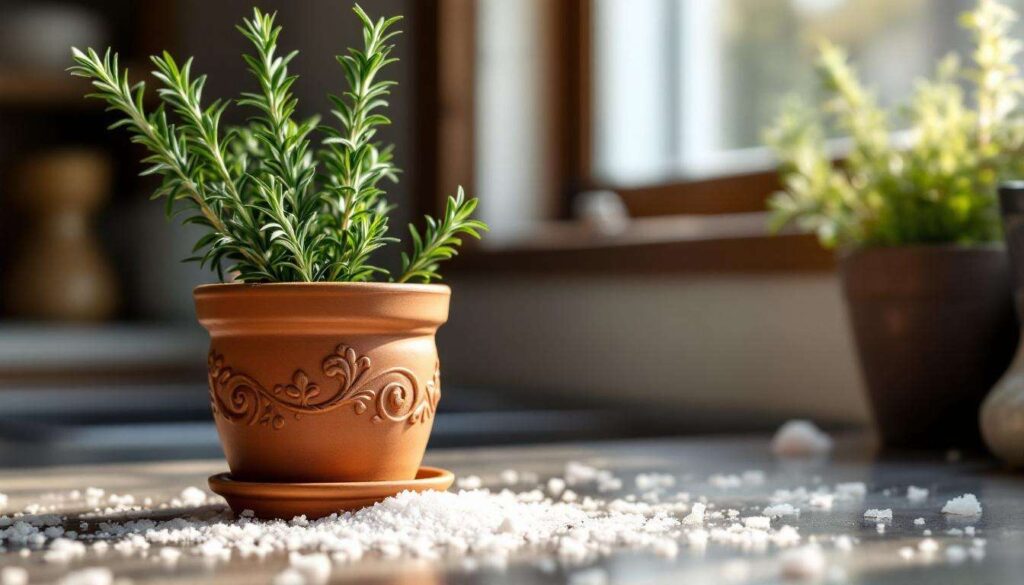
The simple act of combining rosemary and coarse salt in a jar transforms two ordinary kitchen staples into a powerful culinary tool. This age-old technique, cherished by professional chefs and home cooks alike, offers more than just convenience. By storing these ingredients together, you create a flavoursome blend that enhances dishes whilst preserving the aromatic qualities of fresh herbs. The coarse salt acts as a natural preservative, drawing out the essential oils from rosemary and creating an infused seasoning that adds depth to countless recipes. Whether you’re roasting vegetables, seasoning meats, or finishing pasta dishes, this aromatic combination delivers consistent results with minimal effort.
Understanding the synergy of rosemary and coarse salt
The science behind the combination
The relationship between rosemary and coarse salt extends beyond simple mixing. When fresh rosemary comes into contact with salt, a fascinating chemical process begins. The salt crystals extract moisture and essential oils from the herb through osmosis, creating a naturally infused seasoning that intensifies over time. This extraction process preserves the volatile compounds responsible for rosemary’s distinctive pine-like aroma and slightly peppery taste.
The coarse texture of the salt plays a crucial role in this synergy. Unlike fine table salt, coarse salt crystals:
- Maintain their structure without clumping
- Provide better surface area for oil absorption
- Release flavour gradually when used in cooking
- Create an appealing texture in finished dishes
Historical and traditional uses
Mediterranean cuisines have employed this preservation method for centuries. Before refrigeration became widespread, salt-curing herbs represented a practical solution for extending their usability. Italian and French kitchens particularly embraced this technique, recognising that the marriage of rosemary and salt produced a seasoning greater than the sum of its parts. This tradition continues today, not out of necessity, but because the flavour profile achieved through this method remains unmatched by modern alternatives.
Understanding these fundamental principles helps explain why this simple preparation has endured through generations, but the practical benefits for contemporary cooking prove equally compelling.
The benefits of rosemary and salt for cooking
Enhanced flavour profiles
The infusion process creates a complex seasoning that delivers multiple layers of taste. Fresh rosemary alone can sometimes taste harsh or overpowering, but when mellowed by salt, its flavour becomes more balanced and nuanced. The salt tempers the herb’s intensity whilst amplifying its aromatic qualities, resulting in a harmonious blend that complements rather than dominates dishes.
| Flavour characteristic | Fresh rosemary alone | Rosemary-salt blend |
|---|---|---|
| Intensity | Strong, sometimes overwhelming | Balanced, well-rounded |
| Aroma release | Immediate but fleeting | Gradual and sustained |
| Versatility | Limited to specific dishes | Suitable for numerous applications |
Practical advantages in the kitchen
Beyond flavour enhancement, this preparation offers significant convenience. Having a ready-made seasoning blend eliminates the need to chop fresh rosemary for every recipe. The salt preserves the herb’s essential oils, meaning your jar remains potent for weeks or even months. This extended shelf life reduces food waste and ensures you always have aromatic seasoning available.
Additional practical benefits include:
- Simplified meal preparation with pre-measured seasoning
- Consistent flavouring across multiple dishes
- Reduced need for multiple spice containers
- Cost-effective use of fresh herbs
These advantages make the rosemary-salt combination particularly valuable for busy households, but achieving optimal results requires proper preparation techniques.
How to prepare your jar of rosemary and salt
Selecting quality ingredients
The foundation of an exceptional rosemary-salt blend begins with ingredient selection. Choose fresh rosemary sprigs with vibrant green needles and a strong fragrance. Avoid any stems showing brown discolouration or wilting. For salt, select coarse varieties such as sea salt, kosher salt, or fleur de sel. The crystal size matters significantly, as larger grains facilitate better oil absorption and prevent the mixture from becoming paste-like.
Step-by-step preparation method
Creating your jar requires minimal effort but attention to detail. Begin by gently washing the rosemary sprigs and thoroughly drying them with kitchen paper. Any residual moisture can cause the salt to dissolve and create clumps. Once completely dry, strip the needles from the woody stems.
The preparation process involves:
- Measuring approximately three parts coarse salt to one part fresh rosemary needles
- Placing a layer of salt at the bottom of a clean, dry glass jar
- Adding a layer of rosemary needles
- Alternating layers until the jar is filled
- Sealing tightly and shaking gently to distribute ingredients
For those preferring a more integrated mixture, briefly pulse the rosemary and salt together in a food processor. This method creates a finer blend where the herb becomes more evenly distributed throughout the salt. Store the prepared jar in a cool, dark cupboard away from direct sunlight and heat sources.
With your aromatic blend properly prepared, exploring its diverse applications in everyday cooking reveals its true versatility.
The culinary uses of rosemary and salt in a jar
Meat and poultry applications
The rosemary-salt combination excels when applied to proteins. Rub the mixture generously over lamb chops, chicken thighs, or pork roasts before cooking. The salt draws out moisture, creating a flavourful crust whilst the rosemary infuses the meat with aromatic depth. For optimal results, apply the seasoning at least thirty minutes before cooking, allowing time for the flavours to penetrate.
Vegetable and potato dishes
Root vegetables and potatoes particularly benefit from this seasoning. Toss quartered potatoes with olive oil and a generous sprinkling of the blend before roasting. The combination enhances the natural sweetness of vegetables whilst adding complexity. Mediterranean vegetables such as courgettes, aubergines, and tomatoes also pair beautifully with this aromatic mixture.
Bread and focaccia toppings
Bakers appreciate the visual and flavour appeal this blend brings to bread. Press the mixture into focaccia dough before baking, or brush bread rolls with olive oil and sprinkle generously with the seasoning. The salt creates an appealing crust whilst the rosemary releases its oils during baking, filling your kitchen with irresistible aromas.
Additional culinary applications include:
- Seasoning for roasted nuts and snack mixes
- Finishing salt for pasta dishes and risottos
- Flavouring for compound butter
- Rim seasoning for cocktails such as gin-based drinks
These diverse applications demonstrate the blend’s versatility, but understanding how it affects the overall aromatic experience of your cooking proves equally important.
The aromatic impact in your dishes
Sensory enhancement through scent
The aromatic dimension of cooking often receives less attention than taste, yet it fundamentally shapes our dining experience. When heated, the rosemary-salt blend releases volatile compounds that stimulate olfactory receptors, creating anticipation before the first bite. This sensory preparation enhances perceived flavour intensity and overall satisfaction with the meal.
Creating restaurant-quality presentation
Professional chefs understand that aroma contributes significantly to perceived quality. When you season a dish with this blend just before serving, the fresh release of rosemary’s essential oils creates an immediate sensory impact. This technique proves particularly effective for dishes served on hot plates, where heat activates the aromatic compounds.
| Cooking stage | Aromatic effect | Best applications |
|---|---|---|
| During preparation | Subtle background fragrance | Marinades, rubs |
| During cooking | Intense, filling kitchen | Roasting, grilling |
| As finishing touch | Fresh, immediate impact | Plated dishes, bread |
The psychological effect of these aromas should not be underestimated. Rosemary’s scent has been associated with comfort, warmth, and Mediterranean cuisine, creating positive associations that enhance the dining experience. This aromatic impact remains consistent only when the blend is properly stored and maintained.
Storage tips to maximise flavours
Optimal storage conditions
Preserving the potency of your rosemary-salt blend requires attention to environmental factors. Store the jar in a cool, dark location away from heat sources such as ovens or radiators. Exposure to light and heat accelerates the degradation of essential oils, diminishing the blend’s aromatic qualities. A kitchen cupboard or pantry provides ideal conditions.
Container selection and maintenance
Glass jars with tight-fitting lids offer the best storage solution. Unlike plastic containers, glass does not absorb odours or leach chemicals. Ensure the jar remains completely dry before filling, as moisture introduces the risk of mould growth. When accessing the blend, always use a dry spoon to prevent introducing moisture.
Key storage practices include:
- Checking periodically for any signs of moisture or clumping
- Refreshing the blend every two to three months for optimal potency
- Labelling jars with preparation dates
- Keeping the jar away from steam-producing appliances
Recognising freshness indicators
A properly stored rosemary-salt blend maintains its vibrant green colour and strong aroma for several weeks. If the rosemary begins turning brown or the scent becomes musty rather than fresh and pine-like, prepare a new batch. The salt itself remains indefinitely stable, but the herb’s essential oils gradually dissipate over time.
The simple act of storing rosemary and coarse salt together in a jar elevates everyday cooking through enhanced flavours, practical convenience, and aromatic appeal. This traditional technique harnesses natural preservation methods whilst creating a versatile seasoning that complements numerous dishes. By selecting quality ingredients, preparing the blend properly, and maintaining optimal storage conditions, you ensure consistent access to this transformative culinary tool. The synergy between these two humble ingredients demonstrates how thoughtful preparation methods can maximise the potential of basic kitchen staples, bringing professional-quality seasoning to home cooking with minimal effort.