


Gardeners and farmers seeking sustainable solutions for enriching their land have increasingly turned to traditional practices that harness nature’s own recycling systems. The compost-layer method stands out as a time-tested approach that transforms organic waste into a powerful soil amendment, creating a living ecosystem beneath our feet. By strategically building layers of decomposing materials, this technique mimics the natural processes found in forest floors, where fallen leaves and organic debris gradually break down to nourish new growth. Understanding how these layers work together to capture and retain essential nutrients can revolutionise the way we approach soil management, whether in small kitchen gardens or larger agricultural operations.
Compost layer method: an introduction
The fundamental principles behind layered composting
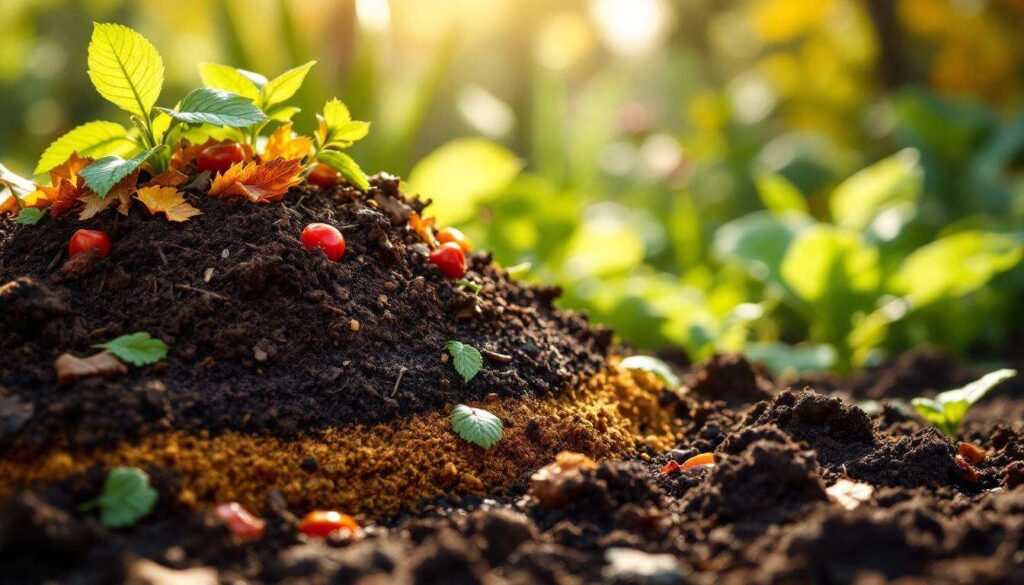
The compost-layer method operates on a simple yet elegant principle: alternating layers of different organic materials create optimal conditions for decomposition. This technique, often referred to as sheet composting or lasagne gardening, involves placing materials directly onto the soil surface rather than in separate bins. Each layer serves a specific purpose in the decomposition process, contributing either nitrogen-rich “green” materials or carbon-heavy “brown” materials.
The fundamental components include:
- Green layers: fresh grass clippings, vegetable scraps, coffee grounds, and manure
- Brown layers: dried leaves, straw, cardboard, newspaper, and wood chips
- Soil or finished compost: thin layers that introduce beneficial microorganisms
- Water: essential moisture to activate decomposition
Historical context and modern applications
This method has roots in traditional agricultural practices across various cultures, from European sheet mulching to Asian paddy field management. Modern permaculture has revived and refined these techniques, demonstrating their relevance in contemporary sustainable agriculture. The approach proves particularly valuable in urban settings where space for traditional compost bins may be limited, allowing gardeners to build soil fertility directly where plants will grow.
Understanding the basic framework of this method provides the foundation for exploring how these layers actually form and interact with soil biology.
Process of forming compost layers
Step-by-step construction of effective layers
Building successful compost layers requires careful attention to sequencing and material selection. The process begins with preparing the ground by removing aggressive weeds, though light vegetation can remain. A cardboard or newspaper base layer serves as the foundation, suppressing existing weeds whilst allowing water and air to penetrate.
The typical layering sequence follows this pattern:
- Base layer: 5-10 sheets of overlapping newspaper or flattened cardboard boxes
- First brown layer: 10-15 cm of straw, dried leaves, or wood chips
- First green layer: 5-8 cm of fresh grass clippings or kitchen waste
- Thin soil layer: 2-3 cm of garden soil or finished compost
- Repeat brown-green-soil sequence: 2-3 additional cycles
- Final mulch layer: 5-10 cm of straw or wood chips
The decomposition timeline and biological activity
Once constructed, the layers undergo distinct phases of decomposition. Initial breakdown occurs rapidly as mesophilic bacteria colonise the materials, generating heat that can raise temperatures to 40-60°C. This thermophilic phase typically lasts several weeks, during which pathogens and weed seeds are destroyed. As temperatures moderate, fungi, actinomycetes, and invertebrates such as earthworms take over, continuing the breakdown process.
| Phase | Duration | Temperature Range | Primary Organisms |
|---|---|---|---|
| Initial breakdown | 1-3 weeks | 40-60°C | Mesophilic bacteria |
| Active composting | 2-3 months | 30-45°C | Thermophilic bacteria, fungi |
| Maturation | 3-6 months | Ambient temperature | Fungi, earthworms, arthropods |
The transformation from raw materials to nutrient-rich humus creates tangible improvements in soil structure and fertility that extend far beyond simple nutrient addition.
Benefits of composting for soil fertility
Physical improvements to soil structure
Compost layers dramatically enhance soil physical properties by increasing porosity and improving aggregate stability. The decomposed organic matter acts as a binding agent, creating stable soil crumbs that resist compaction and erosion. In clay soils, this addition improves drainage and aeration, whilst in sandy soils, it increases water-holding capacity. Research indicates that incorporating just 5% compost by volume can increase water retention by up to 20%.
Biological enrichment and ecosystem development
Perhaps the most profound benefit lies in the explosion of biological activity that compost layers stimulate. A single gram of finished compost can contain billions of beneficial microorganisms, including bacteria, fungi, protozoa, and nematodes. These organisms form complex food webs that:
- Cycle nutrients from unavailable to plant-accessible forms
- Suppress soil-borne plant diseases through competitive exclusion
- Produce plant growth hormones and enzymes
- Improve soil structure through fungal hyphae networks
- Sequester atmospheric carbon in stable soil organic matter
Chemical fertility enhancement
Beyond physical and biological benefits, compost layers provide balanced mineral nutrition. Unlike synthetic fertilisers that supply isolated nutrients, compost delivers a complete spectrum of macro and micronutrients in slow-release forms. The cation exchange capacity of soil increases substantially, allowing the soil to hold onto nutrients that might otherwise leach away during rainfall or irrigation.
These multifaceted improvements stem largely from the unique properties of organic matter itself, particularly its remarkable ability to capture and retain nutrients.
Role of organic matter in nutrient retention
Chemical mechanisms of nutrient binding
Organic matter functions as a nutrient reservoir through several sophisticated chemical mechanisms. Humic substances, the stable end-products of decomposition, possess negatively charged surfaces that attract and hold positively charged nutrients such as calcium, magnesium, potassium, and ammonium. This electrostatic attraction prevents these essential elements from washing through the soil profile, keeping them available in the root zone.
The chelation process represents another crucial mechanism where organic acids bind metal micronutrients like iron, zinc, and manganese. These chelated forms remain soluble and plant-available even in alkaline soils where these nutrients typically precipitate into unusable forms.
Slow-release nutrient dynamics
Unlike soluble fertilisers that deliver nutrients in a single pulse, organic matter releases nutrients gradually through mineralisation. As soil microorganisms consume organic compounds, they release nutrients as metabolic by-products. This biological regulation matches nutrient release to plant demand, reducing losses whilst maintaining steady availability throughout the growing season.
| Nutrient | Typical Compost Content | Release Pattern |
|---|---|---|
| Nitrogen | 1.5-3.0% | Gradual over 6-12 months |
| Phosphorus | 0.5-1.0% | Steady release over multiple seasons |
| Potassium | 0.5-2.0% | Relatively rapid initial release |
Maximising these natural retention and release mechanisms requires thoughtful management practices that optimise the composting process itself.
How to optimise composting for maximum fertility
Achieving the ideal carbon-to-nitrogen ratio
The carbon-to-nitrogen ratio determines decomposition speed and final compost quality. An ideal ratio of approximately 25-30:1 supports vigorous microbial activity without excessive nitrogen loss. Too much carbon slows decomposition, whilst excess nitrogen leads to ammonia volatilisation and unpleasant odours. Balancing brown and green materials achieves this ratio naturally.
Moisture and aeration management
Maintaining proper moisture levels proves critical for optimal microbial function. Layers should feel like a wrung-out sponge, with 50-60% moisture content. Excessive water creates anaerobic conditions that slow decomposition and produce foul odours, whilst insufficient moisture halts microbial activity entirely. Regular monitoring and adjustment through watering or adding dry materials maintains ideal conditions.
Aeration requirements vary with method. Traditional turned compost requires regular mixing, but the layer method relies on passive aeration through coarse materials and natural settlement. Including woody materials and avoiding compaction ensures adequate oxygen penetration.
Inoculation with beneficial organisms
Whilst decomposition occurs naturally, inoculating layers with diverse microorganisms accelerates the process and improves results. Simple inoculation strategies include:
- Adding finished compost or garden soil between layers
- Incorporating aged manure rich in beneficial bacteria
- Using commercial microbial inoculants formulated for composting
- Including diverse plant materials that harbour different microbial communities
These optimisation strategies have enabled numerous gardeners and farmers to achieve remarkable results in soil improvement and crop productivity.
Examples of success with the compost layer method
Market garden transformation in Devon
A commercial market garden in Devon implemented intensive compost layering across two hectares of depleted pasture. Within eighteen months, soil organic matter increased from 2.1% to 5.8%, whilst earthworm populations multiplied tenfold. Crop yields improved by 40% compared to conventionally fertilised plots, with particular success in heavy-feeding crops such as brassicas and tomatoes. The operation eliminated synthetic fertiliser inputs entirely whilst maintaining commercial productivity.
Urban community garden revival
A London community garden facing contaminated brownfield soil used the layer method to create productive growing beds without removing existing soil. Thick cardboard layers isolated plants from contaminated subsoil whilst 30-40 cm of layered compost materials created a clean growing medium. After three growing seasons, the site produced over 800 kg of vegetables annually, demonstrating the method’s effectiveness in challenging urban environments.
Permaculture smallholding in Scotland
A Scottish permaculture project applied compost layers to establish a forest garden on acidic, nutrient-poor moorland soil. The layers moderated soil pH from 4.8 to 6.2 whilst dramatically improving water retention in the free-draining substrate. Fruit trees and perennial vegetables established rapidly, with survival rates exceeding 95% compared to 60% in unamended areas. The project documented a 70% reduction in irrigation requirements during establishment.
Harnessing the power of layered organic materials offers a practical pathway towards building genuinely fertile soils that support abundant plant growth whilst sequestering carbon and fostering biodiversity. The compost-layer method demonstrates that working with natural decomposition processes, rather than relying solely on external inputs, creates resilient growing systems capable of sustained productivity. Whether applied in urban gardens, market farms, or restoration projects, this approach transforms waste materials into the foundation of soil health, proving that the most effective fertility solutions often lie in understanding and supporting the biological processes that have sustained ecosystems for millennia.