
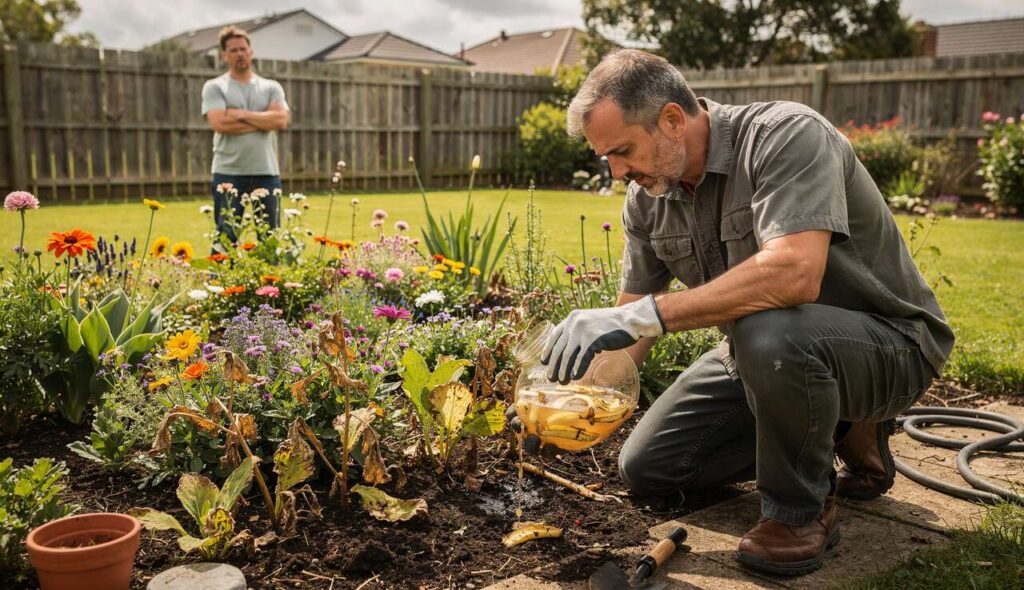
A peculiar gardening hack has divided communities across Britain, as amateur horticulturists claim that homemade banana peel vinegar has transformed their struggling plants into thriving specimens. The method involves fermenting banana skins in water to create an acidic liquid fertiliser, which proponents insist delivers remarkable results. However, agricultural scientists have raised serious concerns about potential root damage, whilst neighbours subjected to the pungent aroma of fermenting fruit have lodged complaints. This backyard phenomenon has sparked heated discussions in gardening forums, local allotments, and even across garden fences, creating an unlikely battleground between traditional expertise and experimental enthusiasm.
The banana peel vinegar trend
Origins and preparation methods
The banana peel vinegar craze emerged from the broader movement towards sustainable gardening practices and zero-waste lifestyles. Gardeners seeking alternatives to commercial fertilisers discovered that banana skins, typically destined for compost bins or landfill, could be transformed into a liquid plant treatment. The basic recipe involves placing banana peels in a container with water and sugar, then allowing the mixture to ferment for several weeks.
The preparation process typically follows these steps:
- Collect banana peels from three to five bananas
- Chop the peels into small pieces to accelerate fermentation
- Place in a glass jar with one litre of water
- Add approximately two tablespoons of sugar to feed the fermentation process
- Cover with breathable cloth secured by an elastic band
- Leave in a warm location for two to four weeks
- Strain the liquid and dilute before application
Claimed benefits and nutrient content
Advocates of banana peel vinegar emphasise its rich potassium content, an essential nutrient for flowering and fruiting plants. Enthusiasts claim the fermentation process breaks down the organic matter, making nutrients more readily available for plant absorption. Beyond potassium, banana peels contain trace amounts of phosphorus, calcium, and magnesium, all beneficial for plant health.
Social media platforms have amplified the trend, with gardeners sharing dramatic before-and-after photographs of supposedly rescued plants. These visual testimonials have contributed to the method’s viral spread, particularly among younger gardeners seeking eco-friendly alternatives to synthetic fertilisers.
As the popularity of this unconventional fertiliser has grown, so too have the reports from delighted gardeners who claim extraordinary transformations in their gardens.
Gardeners thrilled by surprising results
Testimonials from home gardeners
Across allotments and suburban gardens, practitioners of the banana peel vinegar method report remarkable improvements in plant vitality. Margaret Thompson from Surrey describes her tomato plants as having “come back from the brink of death” after weekly applications of the diluted solution. Her neighbour’s scepticism turned to curiosity when her previously yellowing courgette plants developed lush, green foliage within a fortnight.
Online gardening communities have become repositories for success stories. Members share detailed accounts of revived roses, flourishing houseplants, and vegetable gardens producing bumper crops. Many attribute their gardening renaissance specifically to this fermented banana concoction, with some claiming it outperforms expensive commercial products.
Observed improvements in plant health
Gardeners report several specific improvements after applying banana peel vinegar:
- Enhanced leaf colour and reduced yellowing
- Increased flower production in ornamental plants
- Stronger stem development
- Improved resistance to minor pest infestations
- Accelerated growth rates in young plants
- Better fruit set in tomatoes, peppers, and similar crops
These anecdotal observations have created a devoted following, though the lack of controlled conditions makes it difficult to isolate the vinegar’s specific contribution from other variables such as weather conditions, watering practices, or seasonal growth patterns.
Whilst enthusiastic gardeners celebrate their successes, the scientific community has taken a more measured approach to evaluating these claims.
The science behind vinegar and its effects on plants
Acidity and pH levels
The fermentation of banana peels produces acetic acid, the primary component of vinegar, which significantly lowers the pH of the solution. Most plants prefer soil pH levels between 6.0 and 7.0, though some acid-loving species such as rhododendrons, azaleas, and blueberries thrive in more acidic conditions ranging from 4.5 to 6.0.
| Plant type | Optimal pH range | Vinegar compatibility |
|---|---|---|
| Vegetables (general) | 6.0-7.0 | Low (requires dilution) |
| Acid-loving plants | 4.5-6.0 | Moderate to high |
| Alkaline-preferring plants | 7.0-8.0 | Very low (not recommended) |
| Houseplants (general) | 6.0-7.0 | Low (careful application) |
Nutrient availability and uptake
The acidic nature of banana peel vinegar can theoretically improve nutrient availability in alkaline soils by lowering pH levels. When soil becomes too alkaline, essential nutrients like iron, manganese, and zinc become chemically bound and unavailable to plants, resulting in deficiency symptoms. A carefully applied acidic solution might temporarily release these nutrients.
However, scientists caution that the concentration of nutrients in homemade banana peel vinegar remains inconsistent and largely unmeasured. Without laboratory analysis, gardeners cannot determine the actual potassium content or the presence of other beneficial compounds. The fermentation process itself introduces variables that affect the final product’s composition.
Understanding these chemical interactions becomes crucial when considering the potential dangers that excessive or improper application might pose to plant roots and soil ecosystems.
Potential risks to roots and soil
Root burn and tissue damage
Agricultural experts warn that undiluted or excessively concentrated banana peel vinegar can cause severe root damage. The acetic acid in vinegar is a non-selective herbicide at high concentrations, capable of destroying plant tissue on contact. Root systems are particularly vulnerable, as they lack the protective waxy cuticle found on leaves and stems.
Dr. Elizabeth Hartley, a soil scientist at the Royal Horticultural Society, explains that applying vinegar solutions directly to soil can create localised areas of extreme acidity. These acidic pockets can burn fine root hairs responsible for water and nutrient absorption, effectively starving the plant despite the gardener’s best intentions.
Soil microbiome disruption
Beyond direct root damage, concentrated vinegar applications threaten the delicate balance of soil microorganisms. Beneficial bacteria, fungi, and other microbes that facilitate nutrient cycling and support plant health are sensitive to sudden pH changes. The following organisms face particular risk:
- Nitrogen-fixing bacteria essential for legume growth
- Mycorrhizal fungi that extend root systems and improve nutrient uptake
- Decomposer organisms that break down organic matter
- Beneficial nematodes that control pest populations
Repeated applications of acidic solutions can create an inhospitable environment for these crucial soil inhabitants, ultimately degrading soil quality and reducing its capacity to support healthy plant growth. The long-term consequences may not become apparent until significant damage has occurred.
Whilst the scientific concerns focus on plant and soil health, another dimension of the controversy centres on the social impact of this pungent practice.
Neighbourhood complaints: a controversial smell
The fermenting fruit odour problem
The fermentation process that creates banana peel vinegar produces a distinctly unpleasant aroma that has become a source of friction in residential areas. Neighbours describe the smell as ranging from “rotting fruit” to “vinegar mixed with compost” to “something that died in a bin”. The odour intensifies during warm weather and can permeate gardens, patios, and even drift through open windows.
In densely populated areas, where gardens adjoin one another and outdoor spaces are shared, the smell has prompted complaints to local councils and housing associations. Some residents report that the fermenting containers attract fruit flies and other insects, compounding the nuisance.
Community tensions and disputes
What began as a simple gardening experiment has escalated into neighbourhood disputes in some communities. Residents who practice the banana peel vinegar method feel unfairly targeted for pursuing sustainable gardening practices, whilst complainants argue that their enjoyment of their own outdoor spaces has been compromised.
Several documented conflicts include:
- Formal complaints submitted to local authorities regarding odour pollution
- Requests from homeowners’ associations to ban fermentation activities
- Heated exchanges between neighbours over garden fences
- Social media arguments in local community groups
- Threats of legal action in extreme cases
Some gardeners have attempted to mitigate the smell by relocating fermentation containers to sheds or garages, though this presents its own challenges regarding temperature control and ventilation. Others have simply abandoned the practice rather than damage neighbourly relations.
These practical conflicts have added fuel to the broader debate between gardening experts and the method’s devoted practitioners.
Experts and gardeners: a passionate debate
Professional horticultural perspectives
Horticultural professionals and soil scientists have expressed significant reservations about the banana peel vinegar trend. Their concerns extend beyond the immediate risks to encompass broader issues of gardening education and evidence-based practice. Experts argue that the anecdotal success stories fail to account for confounding variables and lack the rigour of controlled experimentation.
The Royal Horticultural Society recommends traditional composting methods for banana peels, which safely incorporate nutrients into soil without the risks associated with acidic liquid applications. Professional gardeners suggest that perceived improvements attributed to banana peel vinegar may actually result from increased attention to plants, improved watering practices, or seasonal growth patterns coinciding with treatment.
The amateur gardener’s defence
Practitioners of the method counter that professional scepticism dismisses lived experience and practical results. They argue that traditional horticultural advice often favours commercial products over accessible, homemade alternatives. Many emphasise the environmental benefits of repurposing food waste and reducing reliance on synthetic fertilisers with significant carbon footprints.
Amateur gardeners also point out that much traditional gardening knowledge originated from experimentation and observation rather than laboratory research. They contend that dismissing their results as mere coincidence undermines the value of practical gardening wisdom accumulated through trial and error.
The debate highlights fundamental tensions between scientific rigour and practical experimentation, between professional expertise and grassroots innovation, and between environmental idealism and evidence-based caution.
The banana peel vinegar controversy encapsulates broader discussions within contemporary gardening culture. Whilst enthusiastic practitioners celebrate dramatic plant recoveries and environmental benefits, scientific experts warn of genuine risks to roots, soil health, and long-term garden vitality. The social dimension adds another layer of complexity, as the pungent smell of fermenting fruit strains neighbourly relations and raises questions about acceptable practices in shared spaces. Whether this trend represents innovative sustainability or misguided experimentation remains contested. Gardeners considering this method should carefully weigh the anecdotal successes against expert warnings, ensure proper dilution if proceeding, and remain mindful of their impact on surrounding households. The passionate debate surrounding this humble kitchen scrap reflects larger questions about how gardening knowledge is validated, shared, and applied in an age of social media enthusiasm and environmental consciousness.