



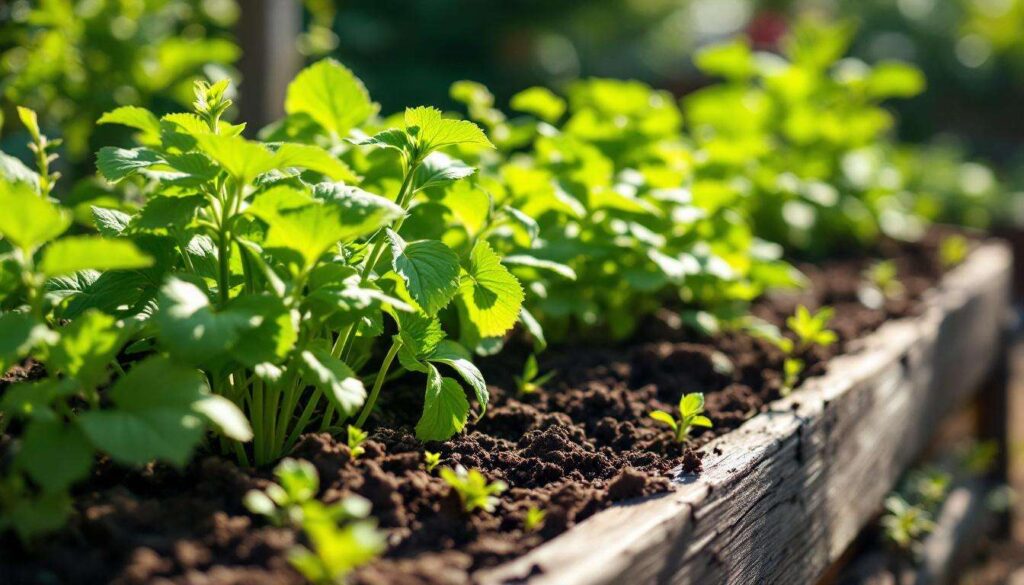
Social media platforms have become unexpected battlegrounds where amateur gardeners clash with established horticultural science. A particular pantry-based method has recently captured widespread attention, promising abundant plant growth without conventional fertilisers or the ubiquitous coffee grounds many swear by. This alternative approach has divided opinion sharply, with enthusiastic online personalities championing results that leave researchers distinctly unimpressed. The controversy highlights a growing tension between viral gardening trends and evidence-based cultivation practices.
Understanding the kitchen hack trend for gardening
The rise of unconventional plant nutrition methods
Kitchen-based gardening solutions have proliferated across digital platforms, with creators promoting various household items as miracle plant foods. These methods typically involve ingredients already present in most homes, making them accessible and cost-effective alternatives to commercial products. The appeal lies in their simplicity and the satisfaction of repurposing everyday materials for horticultural purposes.
Popular pantry ingredients being promoted
Several household staples have gained traction amongst online gardening communities. The most frequently recommended items include:
- Banana peels soaked in water for potassium-rich solutions
- Eggshells crushed and mixed into soil for calcium supplementation
- Rice water containing starches and trace minerals
- Pasta cooking water as a nutrient delivery system
- Crushed aspirin dissolved in water for salicylic acid benefits
These ingredients are often presented as complete replacements for traditional fertilisers, with proponents claiming they provide everything plants need to thrive. The visual results shared online frequently show lush foliage and abundant blooms, lending credibility to these unconventional approaches.
Why gardeners are attracted to these methods
The appeal of pantry-based solutions extends beyond mere novelty. Economic considerations play a significant role, as commercial fertilisers can represent substantial ongoing expenses for dedicated gardeners. Environmental concerns also motivate many practitioners, who view kitchen waste repurposing as a sustainable alternative to manufactured products. Additionally, these methods offer a sense of control and self-sufficiency that resonates with modern gardening philosophies.
This enthusiasm for alternative approaches naturally leads to questions about who is promoting these methods and how their influence shapes gardening culture.
Influencers and their impact on gardening practices
The power of social media gardening personalities
Digital content creators have fundamentally altered how gardening knowledge spreads. Platforms like Instagram, TikTok, and YouTube enable individuals to reach millions of viewers with visually compelling demonstrations. These influencers often lack formal horticultural training but compensate with charismatic presentation and relatable experimentation. Their content typically emphasises immediate, dramatic results that translate well to short-form video formats.
Viral content versus verified information
The algorithms governing social media platforms prioritise engagement over accuracy, creating an environment where sensational claims outperform measured scientific discussion. A video showing remarkable plant transformation using simple kitchen ingredients will invariably generate more views than a nuanced explanation of soil chemistry. This dynamic has created a knowledge ecosystem where:
- Anecdotal evidence carries disproportionate weight
- Correlation is frequently mistaken for causation
- Contradictory information coexists without resolution
- Viewer confirmation bias reinforces existing beliefs
The commercial aspect of trend promotion
Many influencers monetise their platforms through sponsorships, affiliate marketing, and product sales. This financial incentive can create conflicts of interest when evaluating gardening methods. Even when promoting genuinely free pantry solutions, creators benefit from increased engagement and follower growth, potentially motivating them to overstate effectiveness or downplay limitations.
These dynamics raise important questions about how traditional scientific institutions respond to popularised gardening methods.
Scientists’ approach to non-traditional methods
Research methodology and evidence standards
Academic horticulturists apply rigorous testing protocols that differ markedly from social media demonstrations. Controlled experiments require multiple variables to be isolated, with results replicated across diverse conditions before conclusions are drawn. This methodical approach contrasts sharply with the single-example showcases typical of online content.
Common criticisms from the research community
Agricultural scientists have identified several fundamental problems with viral pantry methods. The nutrient concentrations in household items are typically too low and inconsistent to meet plant requirements reliably. Furthermore, many promoted techniques lack consideration for:
- Soil pH balance and its effect on nutrient availability
- The ratio between nitrogen, phosphorus, and potassium
- Micronutrient deficiencies that develop over time
- Potential pathogen introduction from organic kitchen waste
Researchers emphasise that whilst some household items contain beneficial compounds, their application without understanding underlying plant physiology often produces suboptimal results or even plant damage.
The gap between laboratory findings and public perception
Scientific publications rarely achieve the visibility of viral gardening videos, creating an information asymmetry. Academic language and statistical analysis do not translate easily to engaging social content, leaving evidence-based practices at a communicative disadvantage. This gap allows misconceptions to persist despite available contradictory evidence.
To properly evaluate these competing claims, examining actual performance data becomes essential.
Comparison of results with and without traditional fertiliser
Measuring plant health indicators
Objective assessment of gardening methods requires quantifiable metrics beyond visual appearance. Professional evaluations typically measure:
| Indicator | Traditional fertiliser | Pantry methods |
|---|---|---|
| Leaf chlorophyll content | Consistently high | Variable, often deficient |
| Root development | Extensive, balanced | Adequate to poor |
| Flowering/fruiting yield | Optimised for species | Below genetic potential |
| Disease resistance | Strong when properly fed | Compromised by deficiencies |
Long-term sustainability of alternative approaches
Initial results with kitchen-based methods may appear promising, particularly when plants draw upon existing soil reserves. However, sustained cultivation without adequate nutrient replenishment leads to progressive depletion. Perennial plants and heavy feeders show declining vigour over successive growing seasons when relying exclusively on pantry solutions.
Contextual factors affecting outcomes
Certain conditions may temporarily mask the inadequacy of alternative methods. Gardens with naturally fertile soil, recent compost additions, or low-demand ornamental plants might show acceptable results despite insufficient feeding. These scenarios create misleading impressions that do not generalise to typical growing situations.
Among the various household items promoted, coffee grounds deserve particular attention given their widespread recommendation.
The effect of coffee grounds on soil fertility
Nutritional composition of used coffee grounds
Spent coffee grounds contain approximately 2% nitrogen by weight, along with trace amounts of phosphorus, potassium, and various micronutrients. Whilst this represents a modest nutritional contribution, the quantities required to meaningfully fertilise plants are considerably larger than most gardeners apply. The brewing process extracts many soluble compounds, leaving behind primarily fibrous material.
Common misconceptions about coffee ground application
Several persistent myths surround coffee ground usage:
- The belief that they significantly acidify soil, when their pH effect is actually minimal
- Assumptions that fresh grounds can be applied directly without composting
- Expectations that they provide complete nutrition for acid-loving plants
- Claims that they repel pests through caffeine content
Research indicates that uncomposted grounds can temporarily immobilise nitrogen as soil microorganisms break down the carbon-rich material, potentially creating deficiencies rather than alleviating them.
Appropriate uses within a broader strategy
Coffee grounds function best as a soil amendment rather than a primary fertiliser. When properly composted and incorporated with other organic materials, they contribute to improved soil structure and modest nutrient delivery. Their value lies in supporting overall soil health rather than replacing dedicated fertilisation programmes.
These findings about specific materials inform broader considerations about sustainable gardening’s future direction.
The future of natural gardening practices
Integrating traditional knowledge with scientific understanding
The most promising path forward involves synthesising empirical gardening wisdom with rigorous scientific validation. Many traditional practices contain genuine merit but benefit from refinement through controlled testing. This collaborative approach respects both experiential knowledge and evidence-based methodology.
Developing genuinely sustainable alternatives
Legitimate natural fertilisation strategies focus on building soil biology and organic matter content over time. Effective approaches include:
- Comprehensive composting systems that process diverse organic materials
- Cover cropping and green manure integration
- Targeted application of specific amendments based on soil testing
- Crop rotation to manage nutrient demands
These methods require greater initial investment in knowledge and infrastructure but deliver reliable long-term results without dependency on external inputs.
The role of education in bridging divides
Addressing the disconnect between viral trends and scientific consensus requires improved horticultural education accessible to general audiences. Research institutions and extension services must adapt their communication strategies to compete effectively in digital spaces whilst maintaining accuracy. Creating engaging, evidence-based content that acknowledges both the appeal of simple solutions and the complexity of plant nutrition represents a significant challenge.
The gardening community stands at a crossroads where enthusiasm for natural methods must be channelled through understanding of fundamental plant biology. Pantry-based approaches offer limited value as complete fertiliser replacements, despite their popularity amongst digital content creators. Scientific research consistently demonstrates that whilst household items may provide supplementary benefits, they cannot sustain optimal plant health independently. Coffee grounds exemplify this pattern, contributing modestly to soil improvement without constituting adequate nutrition. Moving forward, the most successful gardeners will likely be those who combine sustainable practices with evidence-based nutrient management, drawing on both traditional wisdom and contemporary research to create truly effective cultivation systems.