



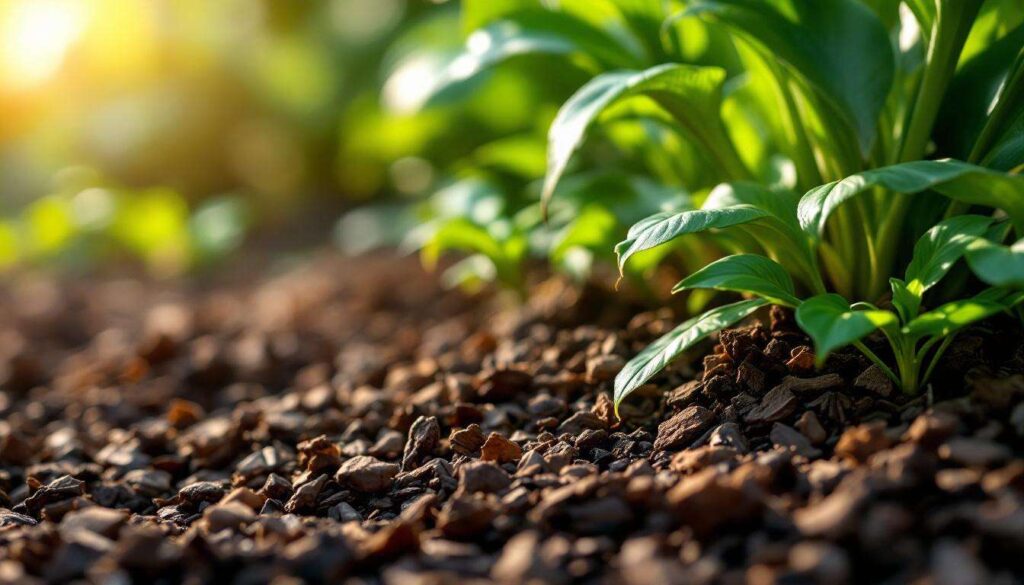
Gardeners and landscapers have long recognised the protective qualities of organic materials spread across soil surfaces. Among these materials, bark-chip mulch stands out as a particularly effective solution for maintaining healthy root systems. The ability of this natural covering to regulate soil temperature creates an environment where plants can thrive regardless of external weather fluctuations. Understanding how this insulation mechanism works reveals why bark-chip mulch has become a staple in both ornamental gardens and commercial horticultural operations.
What is bark-chip mulch ?
Composition and characteristics
Bark-chip mulch consists of shredded or chipped tree bark sourced primarily from coniferous and deciduous species. The material undergoes processing to create pieces ranging from fine particles to chunks several centimetres in diameter. Pine, cedar, oak and fir provide the most common varieties, each offering distinct properties in terms of colour, texture and decomposition rate.
The physical structure of bark chips creates numerous air pockets that contribute to their insulating properties. These fragments contain natural compounds such as lignin and tannins that resist rapid breakdown whilst providing gradual nutrient release as decomposition occurs over time.
Types of bark-chip mulch available
Several varieties cater to different gardening needs:
- Pine bark: affordable and widely available, decomposes moderately
- Cedar bark: naturally resistant to insects and decay, longer-lasting
- Hardwood bark: denser composition, slower decomposition rate
- Composted bark: partially decomposed, enriched with nutrients
- Shredded bark: finer texture, better soil contact
The choice between these options depends on aesthetic preferences, budget considerations and the specific requirements of the plants being protected. These material differences directly influence how effectively the mulch performs its temperature-regulating function.
The thermal benefits of bark-chip mulch
Insulation properties explained
Bark-chip mulch functions as a thermal blanket that moderates heat transfer between the atmosphere and soil. The air spaces within the mulch layer trap heat during cold periods whilst reflecting solar radiation during warmer months. This dual action creates a buffer zone that prevents extreme temperature fluctuations from reaching plant roots.
Research demonstrates that a properly applied bark mulch layer can reduce soil temperature variations by up to 50 per cent compared to bare soil. The insulating capacity depends on factors including chip size, layer thickness and moisture content within the mulch itself.
Seasonal temperature regulation
| Season | Bare soil temperature range | Mulched soil temperature range | Benefit |
|---|---|---|---|
| Summer | 25-35°C | 18-25°C | Prevents overheating |
| Winter | -5 to 5°C | 2-8°C | Reduces frost penetration |
| Spring | 8-18°C | 10-16°C | Gradual warming |
| Autumn | 10-20°C | 12-18°C | Extended growing period |
These temperature modifications create optimal conditions for continuous root activity throughout the year. The protective layer shields roots from the stress associated with rapid temperature changes that would otherwise impair their function.
How mulch stabilises soil temperature
The mechanism of thermal buffering
Temperature stabilisation occurs through multiple physical processes working simultaneously. During daylight hours, the dark-coloured bark absorbs solar energy but the air pockets prevent this heat from penetrating deeply into the soil. At night, the same insulating properties trap warmth rising from the earth, preventing rapid cooling.
The moisture retained within bark chips enhances this effect through evaporative cooling during hot periods. As water evaporates from the mulch surface, it draws heat away from the underlying soil, creating a microclimate several degrees cooler than exposed ground.
Depth and coverage considerations
Effective temperature stabilisation requires appropriate application:
- Minimum depth: 5-7 centimetres for basic protection
- Optimal depth: 7-10 centimetres for maximum insulation
- Maximum depth: 15 centimetres to avoid anaerobic conditions
- Coverage area: extend beyond the plant’s drip line
- Gap around stems: maintain 5-10 centimetres clearance
Thicker layers provide superior insulation but excessive depth can create problems with water penetration and oxygen availability. The relationship between mulch depth and temperature control becomes particularly important when protecting vulnerable species.
Impact on root health
Protection from temperature extremes
Root systems suffer significant damage when exposed to temperature stress beyond their tolerance range. Freezing temperatures cause ice crystal formation within root cells, rupturing cellular structures and killing tissue. Conversely, excessive heat denatures proteins and disrupts metabolic processes essential for nutrient uptake.
Bark-chip mulch maintains soil temperatures within the optimal range for root function, typically between 10-25°C for most temperate species. This consistency allows roots to maintain active growth and nutrient absorption throughout extended periods when unmulched soil would become inhospitable.
Enhanced moisture retention and root development
Stable temperatures work synergistically with improved moisture retention beneath mulch layers. Reduced evaporation rates mean roots access consistent water supplies without experiencing the drought stress common in bare soil. This combination promotes:
- Deeper root penetration into soil profiles
- Increased fine root hair development for nutrient absorption
- Enhanced mycorrhizal associations beneficial for plant health
- Reduced root mortality during seasonal transitions
- Improved overall plant vigour and stress resistance
The protective environment created by bark mulch allows plants to allocate more energy towards growth rather than survival responses. These advantages become evident when comparing mulched and unmulched plantings over multiple growing seasons.
Best practices for using bark-chip mulch
Application timing and techniques
Strategic application maximises the thermal benefits of bark-chip mulch. Spring application before soil temperatures rise prepares beds for summer heat, whilst autumn mulching protects roots before winter freezing. Applying mulch to moist soil ensures good contact and prevents the material from drawing moisture away from roots.
Proper technique involves spreading chips evenly without compacting the layer, which would reduce air spaces and diminish insulating properties. Avoiding direct contact with plant stems prevents moisture accumulation that encourages fungal diseases and pest activity.
Maintenance and replenishment
Bark mulch gradually decomposes, requiring periodic replenishment to maintain effective insulation:
- Inspect mulch depth twice annually
- Add 2-3 centimetres when layer falls below 5 centimetres
- Rake surface to prevent matting and improve water penetration
- Remove and replace completely every 3-5 years
- Monitor for fungal growth or unpleasant odours indicating anaerobic conditions
Regular maintenance ensures continued temperature stabilisation whilst preventing problems associated with degraded or excessively thick mulch layers. The effort invested in proper upkeep translates directly into healthier root systems and more resilient plants.
Comparison with other types of mulch
Organic mulch alternatives
| Mulch type | Insulation rating | Longevity | Cost | Aesthetic appeal |
|---|---|---|---|---|
| Bark chips | Excellent | 2-4 years | Moderate | High |
| Wood chips | Very good | 1-2 years | Low | Moderate |
| Straw | Good | 1 season | Low | Low |
| Compost | Moderate | 6-12 months | Variable | Moderate |
| Leaf mould | Good | 1-2 years | Very low | Low |
Inorganic options and their limitations
Gravel, stone and rubber mulches offer permanent solutions but lack the temperature-moderating qualities of organic materials. These inorganic options absorb and radiate heat rather than insulating against it, often creating hotter soil conditions detrimental to root health during summer months.
Whilst inorganic mulches require no replenishment, they provide no nutritional benefits as they decompose and may actually increase soil temperatures beyond optimal ranges. The superior thermal performance of bark-chip mulch justifies the additional maintenance requirements for gardeners prioritising root protection.
The evidence supporting bark-chip mulch as an effective root protection system stems from its unique combination of insulating properties, moisture retention and gradual nutrient release. Temperature stabilisation represents perhaps the most significant benefit, creating conditions where roots function optimally regardless of external weather patterns. Proper application and maintenance transform this simple organic material into a powerful tool for enhancing plant health and garden productivity. Gardeners who invest in quality bark mulch and apply it correctly will observe measurable improvements in plant vigour, reduced watering requirements and enhanced survival rates during environmental stress periods.