
Composting has become an essential practice for environmentally conscious gardeners seeking to reduce waste whilst enriching their soil naturally. However, not everything belongs in your compost bin. Gardening experts consistently warn that certain materials can disrupt the composting process, attract unwanted pests, introduce harmful pathogens, or create unpleasant odours that make maintaining your compost heap an absolute nightmare. Understanding which items to exclude from your compost bin is crucial for producing high-quality, nutrient-rich compost that will benefit your garden without causing problems. Many well-intentioned gardeners unknowingly add materials that compromise their compost, leading to disappointing results and potential health hazards for their plants and soil ecosystem.
Dairy products and their derivatives
Why dairy creates composting complications
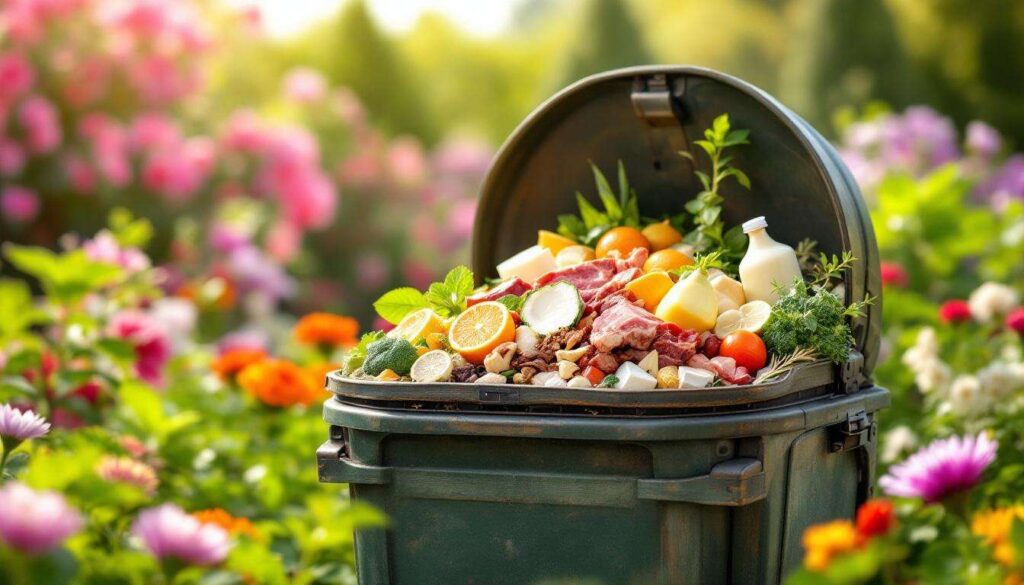
Milk, cheese, yoghurt, butter, and cream should never find their way into your compost bin, according to horticultural specialists. These dairy products decompose extremely slowly in typical compost conditions and create a host of problems during the breakdown process. The primary issue stems from their high fat and protein content, which attracts rodents, flies, and other unwanted visitors to your compost heap. Professional composters explain that dairy products also produce particularly offensive odours as they decompose, creating an unpleasant experience for anyone nearby.
The bacterial imbalance problem
Dairy derivatives disrupt the delicate bacterial balance required for efficient composting. The decomposition of these products encourages anaerobic bacteria, which thrive in oxygen-poor environments and produce foul-smelling compounds. This creates a slimy, putrid mess rather than the crumbly, earthy compost you desire. Key issues include:
- Attraction of rats, mice, and foxes searching for food sources
- Development of harmful pathogens during slow decomposition
- Creation of acidic conditions that inhibit beneficial microorganisms
- Formation of a greasy layer that prevents proper aeration
Understanding these dairy-related complications naturally leads to another category of animal products that pose similar challenges for home composters.
Meat and fish
The pest attraction factor
Meat scraps, bones, fish remains, and any animal flesh represent serious composting hazards that experienced gardeners universally avoid. These protein-rich materials act as powerful attractants for vermin, creating a genuine pest control problem. Rats, foxes, cats, dogs, and even larger wildlife will investigate your compost bin if they detect meat or fish, potentially destroying your composting system entirely. The smell of decomposing animal protein travels considerable distances, advertising your compost heap to every carnivorous creature in the vicinity.
Health and safety concerns
Beyond pest issues, meat and fish decompose in ways that introduce dangerous pathogens into your compost. The breakdown process occurs at temperatures that typical home compost bins cannot achieve, meaning harmful bacteria like salmonella and E. coli may survive. Professional composting facilities use industrial systems that reach much higher temperatures, but domestic setups rarely exceed the necessary thresholds. Consider these specific risks:
| Material | Decomposition time | Primary risk |
|---|---|---|
| Raw meat scraps | Several months | Pathogen survival and pest attraction |
| Cooked meat | 4-8 weeks | Rodent infestation and odour |
| Fish remains | 3-6 weeks | Extreme odour and cat attraction |
| Bones | Years | Never fully decompose in home systems |
The problems associated with animal proteins extend to another category of kitchen waste that shares similar decomposition challenges.
Fats and cooking oils
How lipids interfere with composting
Cooking oils, grease, lard, and any fatty substances create significant obstacles in the composting process. These materials coat organic matter, forming waterproof barriers that prevent moisture and oxygen from reaching the materials that need to decompose. This coating effect essentially suffocates your compost, slowing down or completely halting the bacterial activity necessary for breakdown. Composting specialists note that even small amounts of oil can compromise an entire bin, creating pockets of anaerobic decomposition that smell dreadful.
Long-term contamination issues
Fats and oils persist in compost systems far longer than most gardeners realise. They remain liquid or semi-solid for extended periods, creating greasy layers that attract pests and prevent proper composting conditions. The problems multiply when these substances eventually break down, as they:
- Reduce oxygen circulation throughout the compost pile
- Create water-repellent zones that remain dry and inactive
- Encourage anaerobic bacteria that produce methane and hydrogen sulphide
- Attract flies, wasps, and other insects seeking fatty food sources
- Form clumps that never properly integrate into finished compost
Moving from kitchen waste to garden materials, certain plant-based items also require careful exclusion from your composting efforts.
Diseased or infested plants
The disease transmission risk
Plant material affected by fungal diseases, bacterial infections, or pest infestations should never enter your compost bin. This represents one of the most critical exclusions for maintaining garden health. Many plant pathogens survive the composting process, lying dormant in your finished compost until you spread it on your beds, where they reinfect your new plants. Horticultural experts emphasise that diseases like blight, rust, mildew, and various wilts can persist through typical home composting temperatures, creating a cycle of infection that undermines your gardening efforts.
Specific materials to avoid
Identifying problematic plant material requires vigilance throughout the growing season. Key items to exclude include:
- Tomato and potato plants showing signs of blight
- Roses affected by black spot or rust
- Any foliage with powdery or downy mildew
- Plants infested with aphids, whitefly, or scale insects
- Fruit tree leaves with canker or scab diseases
- Perennials showing clubroot or crown rot symptoms
The safest approach involves burning diseased material or disposing of it through municipal green waste collections, where industrial composting reaches pathogen-killing temperatures. This plant health consideration connects to another biological hazard that poses risks to both gardens and human health.
Pet litter debris
Parasites and pathogens in animal waste
Cat litter, dog faeces, and waste from other household pets contain dangerous parasites and bacteria that survive home composting conditions. Toxoplasma gondii, found in cat waste, poses particular risks to pregnant women and immunocompromised individuals. Dog waste carries roundworm eggs that remain viable for years in soil, potentially infecting humans who come into contact with contaminated compost. Public health experts and gardening professionals unanimously agree that pet waste belongs in designated disposal systems, never in compost destined for food gardens.
The contamination pathway
Even small amounts of pet waste can contaminate entire batches of compost. The lifecycle of parasites and the resilience of certain bacteria mean that these pathogens can:
| Pathogen type | Survival time in compost | Health risk |
|---|---|---|
| Toxoplasma gondii | Up to 18 months | Serious complications for vulnerable groups |
| Roundworm eggs | Several years | Intestinal infection in humans |
| E. coli strains | 3-6 months | Gastrointestinal illness |
| Salmonella | 2-4 months | Food poisoning symptoms |
This final category of problematic materials involves items that appear compostable but contain hidden elements that cause unexpected problems.
Tea bags and coffee filters with staples or synthetic materials
The hidden synthetic problem
Many gardeners assume that all tea bags and coffee filters are completely biodegradable, but this assumption leads to contamination of otherwise perfect compost. Numerous tea bag brands seal their products with polypropylene, a plastic that does not decompose in home composting systems. These synthetic fibres break into microplastics that persist in your soil indefinitely. Environmental researchers have found that even bags labelled as biodegradable may contain synthetic materials that require industrial composting conditions to break down properly.
Identifying problematic items
Coffee filters present similar challenges, with bleached varieties containing chemicals and some brands incorporating synthetic strengthening fibres. Metal staples attached to tea bags also cause problems, as they remain in finished compost and can damage tools or injure hands during application. To safely compost these materials:
- Remove tea leaves from bags and compost only the loose contents
- Check packaging for 100% biodegradable certification
- Remove all staples before adding tea bags to compost
- Choose unbleached, natural fibre coffee filters
- Consider switching to loose-leaf tea and reusable filters
- Contact manufacturers to verify biodegradability claims
Creating successful compost requires careful attention to what enters your bin. By excluding dairy products, meat, fish, fats, diseased plants, pet waste, and synthetic-containing items, you ensure your compost remains healthy, safe, and effective. These exclusions prevent pest problems, eliminate health hazards, and produce the rich, beneficial compost that transforms gardens. Following expert guidance protects your composting investment whilst contributing to sustainable gardening practices that benefit both your plants and the broader environment.