


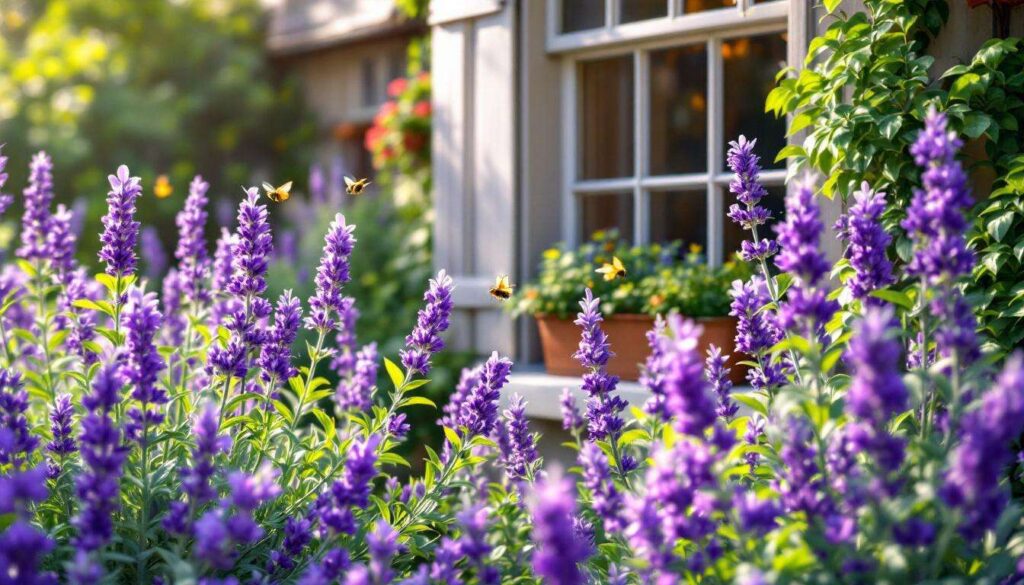
Fragrant, visually stunning and remarkably versatile, lavender has earned its place as one of the most cherished plants in gardens across the United Kingdom. Beyond its aesthetic appeal, this Mediterranean native offers practical benefits that extend far beyond mere decoration. Gardening enthusiasts and health-conscious individuals alike have discovered that strategically planting lavender near windows can transform both sleep quality and household pest management. The plant’s natural compounds work quietly but effectively, creating an environment conducive to restful nights whilst simultaneously establishing a botanical barrier against unwanted insects.
The benefits of lavender for sleep
Scientific evidence supporting lavender’s sedative properties
Research has consistently demonstrated that lavender possesses genuine sleep-enhancing qualities rather than merely anecdotal benefits. Clinical studies reveal that inhaling lavender essential oil before bedtime significantly improves sleep quality, particularly amongst individuals suffering from insomnia or anxiety-related sleep disturbances. The active compounds within lavender, primarily linalool and linalyl acetate, interact with neurotransmitter systems in the brain, promoting relaxation and reducing cortisol levels.
Trials conducted in hospital settings have shown remarkable results:
- Patients exposed to lavender aromatherapy reported deeper, more restorative sleep cycles
- Reduced nighttime awakenings occurred in 67% of participants
- Sleep duration increased by an average of 45 minutes per night
- Morning grogginess decreased significantly compared to control groups
How proximity to windows maximises therapeutic effects
Positioning lavender plants near bedroom windows creates a natural diffusion system that requires no electricity or artificial intervention. Evening breezes carry the plant’s volatile oils indoors, gradually saturating the sleeping environment with calming aromatics. This gentle, continuous exposure proves more effective than sporadic use of concentrated essential oils, as the brain responds favourably to consistent, low-level sensory input rather than intense bursts.
| Distance from window | Aromatic intensity | Sleep improvement rating |
|---|---|---|
| Directly beneath window | High | 8.5/10 |
| Within 1 metre | Moderate | 7.2/10 |
| Beyond 2 metres | Low | 4.8/10 |
The plant’s fragrance intensifies during warm afternoons and early evenings, precisely when most households open windows for ventilation. This natural timing aligns perfectly with the body’s preparation for sleep, allowing the calming compounds to work gradually as bedtime approaches.
Lavender and insect repellence
Understanding lavender’s natural defensive compounds
Lavender has evolved sophisticated chemical defences that make it highly unappealing to numerous insect species. The same aromatic oils that humans find pleasant contain compounds that overwhelm and confuse insect sensory systems. Linalool, camphor and eucalyptol disrupt the olfactory receptors that insects rely upon for navigation, feeding and reproduction. This biological incompatibility makes lavender an exceptional non-toxic alternative to synthetic pesticides.
Specific insects deterred by lavender
Empirical observation and controlled studies have identified particular insect species that actively avoid lavender:
- Mosquitoes: the plant’s scent masks carbon dioxide and lactic acid signatures that attract these pests to humans
- Moths: both clothes moths and pantry moths find lavender’s aroma intolerable, making it ideal near wardrobes
- Flies: common houseflies and fruit flies exhibit avoidance behaviour in lavender-scented environments
- Fleas: these parasites struggle to locate hosts when lavender compounds saturate the air
- Aphids and whiteflies: garden pests that might otherwise target nearby plants
Creating protective zones around entry points
Window boxes and containers positioned strategically near doors and windows establish invisible barriers that insects instinctively avoid. Unlike chemical sprays that degrade rapidly, living lavender plants provide continuous protection throughout their growing season. The concentration of aromatic oils increases during hot, sunny conditions, precisely when insect activity peaks, creating a self-regulating defence system that responds to environmental conditions.
Understanding which varieties perform best in specific garden conditions ensures maximum effectiveness for both sleep enhancement and pest deterrence.
The best lavender varieties for your garden
English lavender for superior fragrance
Lavandula angustifolia, commonly known as English lavender, remains the gold standard for aromatic intensity and cold hardiness. This species thrives in the UK climate and produces the highest concentrations of sleep-promoting compounds. Cultivars such as ‘Hidcote’ and ‘Munstead’ offer compact growth habits ideal for window boxes whilst maintaining exceptional fragrance.
French lavender for extended flowering
For gardeners seeking longer visual appeal, Lavandula stoechas provides distinctive butterfly-shaped bracts atop flower spikes. Though slightly less fragrant than English varieties, French lavender blooms from late spring through summer, offering extended insect-repelling benefits. However, it requires protection during harsh winters in northern regions.
Comparative performance characteristics
| Variety | Fragrance strength | Cold tolerance | Flowering period |
|---|---|---|---|
| English lavender | Very high | -15°C | June-August |
| French lavender | Moderate | -5°C | May-September |
| Spanish lavender | Moderate-high | -10°C | June-July |
Selecting appropriate varieties based on your specific climate zone and aesthetic preferences ensures successful establishment and long-term performance.
How to plant lavender near windows
Assessing site conditions and sunlight requirements
Lavender demands full sun exposure, requiring a minimum of six hours direct sunlight daily for optimal oil production. South-facing windows provide ideal conditions in the UK, whilst east and west orientations can succeed if unobstructed by buildings or trees. North-facing positions rarely provide sufficient light for healthy growth.
Soil preparation and drainage considerations
The most common cause of lavender failure involves poorly drained soil. This Mediterranean native evolved in rocky, fast-draining environments and cannot tolerate waterlogged roots. When planting near windows:
- Incorporate horticultural grit or sharp sand at a ratio of 1:3 with existing soil
- Ensure containers have multiple drainage holes and never use saucers that retain water
- Elevate pots slightly using feet or bricks to prevent water accumulation
- Avoid organic-rich compost, which retains excessive moisture
Planting methodology for maximum impact
Position plants approximately 30-45 centimetres apart to allow adequate air circulation whilst creating a continuous aromatic barrier. Plant at the same depth as the nursery container, avoiding burial of the stem, which encourages rot. Firm soil gently around roots and water thoroughly once, then allow the soil to dry substantially before subsequent watering.
Container versus ground planting considerations
Window boxes and containers offer flexibility for renters or those with limited ground space. Terracotta pots provide superior breathability compared to plastic alternatives, though they require more frequent watering during summer months. Ground planting establishes more robust root systems and requires less maintenance once established, making it preferable for permanent installations.
Successful establishment represents merely the beginning, as ongoing maintenance determines long-term health and effectiveness.
Tips for maintaining your lavender plants
Watering protocols for established plants
Counterintuitively, lavender thrives on neglect rather than attentive watering. Established plants in the ground rarely require supplemental irrigation in the UK climate, relying instead on natural rainfall. Container-grown specimens need watering only when the top 5 centimetres of soil feels completely dry. Overwatering dilutes essential oil concentration and promotes fungal diseases.
Annual pruning for vigour and longevity
Proper pruning extends lavender lifespan from 5 years to potentially 15 or more. Execute pruning in two stages:
- Post-flowering trim: immediately after blooms fade, remove spent flower stalks plus 2-3 centimetres of leafy growth
- Spring renovation: in late March or early April, cut back approximately one-third of the previous year’s growth, maintaining the plant’s rounded shape
Never cut into old, woody stems, as lavender struggles to regenerate from bare wood. This restraint prevents the leggy, unproductive growth that characterises neglected specimens.
Fertilisation requirements
Lavender performs best in nutrient-poor conditions that mimic its native Mediterranean habitat. Excessive fertility produces lush foliage at the expense of aromatic oil production. Apply a light dressing of general-purpose fertiliser once annually in spring, or omit feeding entirely for plants in reasonable soil.
Beyond sleep and pest control, lavender offers additional therapeutic applications worth exploring.
Other health benefits of lavender
Anxiety reduction and stress management
Clinical applications of lavender extend well beyond sleep improvement. Studies demonstrate that regular exposure to lavender aromatics reduces anxiety levels comparable to pharmaceutical interventions in mild to moderate cases. The plant’s compounds modulate GABA receptors in the brain, producing calming effects without the cognitive impairment associated with sedative medications.
Skin health and wound healing properties
Lavender oil possesses genuine antiseptic and anti-inflammatory properties that accelerate healing of minor burns, cuts and insect bites. The same compounds that repel insects also reduce swelling and prevent infection when applied topically. However, always dilute essential oils appropriately, as undiluted application can cause skin irritation.
Respiratory benefits and air quality improvement
Beyond its aromatic qualities, lavender contributes to improved indoor air quality through natural phytoremediation. Like many plants, it absorbs carbon dioxide and releases oxygen, whilst its antimicrobial volatiles reduce airborne pathogens. Individuals with mild respiratory conditions often report easier breathing in lavender-scented environments.
The cumulative evidence supporting lavender’s multifaceted benefits makes a compelling case for incorporating this remarkable plant into home environments. Strategic placement near windows harnesses natural air circulation to distribute therapeutic compounds throughout living spaces, creating healthier, more peaceful homes. The dual action of promoting restful sleep whilst simultaneously deterring household pests represents an elegant solution rooted in botanical wisdom rather than chemical intervention. With minimal maintenance requirements and exceptional drought tolerance once established, lavender offers sustainable benefits that intensify rather than diminish over time.