

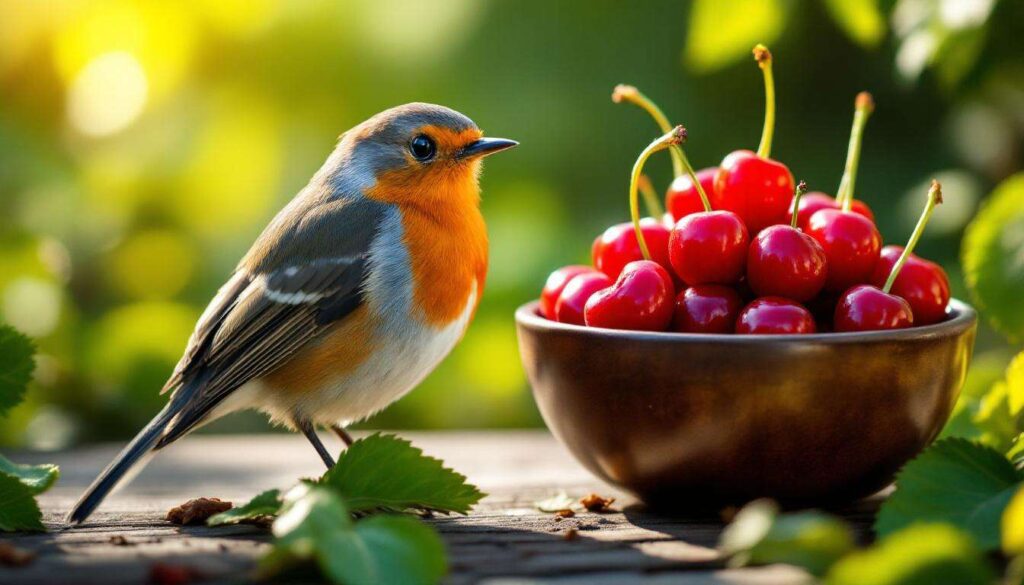
Birdwatchers across Britain and North America have long marvelled at the American robin’s enthusiastic feeding habits, particularly when it comes to one specific food group. These charismatic birds, with their distinctive rust-coloured breasts and melodious songs, display an almost obsessive fondness for a common household staple that many of us keep tucked away in our kitchen cupboards. Raisins and other dried berries have emerged as the unexpected superfood that sends American robins into a feeding frenzy, offering a convenient and nutritious option for anyone keen to attract these delightful visitors to their outdoor spaces.
American robins and their love for superfoods
The American robin (Turdus migratorius) demonstrates a remarkable affinity for nutrient-dense foods, with dried fruits ranking amongst their most coveted treats. These birds possess an innate ability to identify foods that provide maximum energy returns, particularly during migration periods and harsh winter months when fresh food sources become scarce.
Why raisins appeal to American robins
Raisins offer several compelling advantages that make them irresistible to American robins. The concentrated sugars in these dried grapes provide immediate energy, whilst their soft texture makes them easy to consume and digest. Unlike fresh berries that may freeze or spoil, raisins remain accessible throughout the year, offering consistent nutrition regardless of weather conditions.
- High natural sugar content for quick energy
- Compact size ideal for robin beaks
- Year-round availability and storage stability
- Moisture content that aids hydration
- Rich concentration of natural minerals
Observations reveal that American robins often prioritise raisins over other food sources when given the choice, demonstrating a clear preference that extends beyond mere convenience. This behaviour suggests an instinctive recognition of the nutritional value these dried fruits provide.
The science behind their superfood preferences
Research into avian dietary choices indicates that birds possess sophisticated taste receptors that help them identify beneficial foods. American robins can detect the antioxidant properties present in raisins, which support their immune systems and overall health. The birds’ metabolic requirements align perfectly with the nutritional profile of dried fruits, making this match between species and food source particularly fortuitous.
Understanding these preferences helps explain why American robins exhibit such enthusiasm for berry-based foods, setting the stage for exploring the broader nutritional landscape these fruits provide.
The nutritional benefits of berries for birds
Berries, whether fresh or dried, constitute a nutritional powerhouse for American robins and other bird species. These small fruits pack an impressive array of vitamins, minerals, and energy-giving compounds into compact packages perfectly suited to avian consumption.
Essential nutrients found in berries
| Nutrient | Benefit for American Robins | Primary Sources |
|---|---|---|
| Vitamin C | Immune system support | Currants, elderberries |
| Natural sugars | Energy for flight and foraging | Raisins, dried cranberries |
| Antioxidants | Cellular health and longevity | Blueberries, blackberries |
| Dietary fibre | Digestive system function | All berry varieties |
How berries support robin health throughout the seasons
During spring breeding season, the concentrated nutrients in berries help female robins produce healthy eggs whilst providing males with the stamina needed for territorial defence and courtship displays. Summer months see robins consuming fresh berries to maintain energy levels during intensive chick-rearing activities. As autumn approaches, berry consumption increases dramatically as birds prepare for migration or winter survival.
The caloric density of dried berries proves particularly valuable during winter, when American robins require substantial energy reserves to maintain body temperature and sustain themselves through periods of reduced food availability. A handful of raisins can provide the equivalent energy of numerous insects or earthworms, making them an efficient food choice.
These nutritional advantages naturally lead to questions about what other foods American robins seek out in their daily foraging activities.
The dietary preferences of American robins
American robins maintain a varied and adaptable diet that shifts according to seasonal availability and nutritional requirements. Whilst many people associate these birds exclusively with earthworms pulled from garden lawns, their actual food preferences prove far more diverse and sophisticated.
Seasonal dietary shifts
During warmer months, American robins focus primarily on protein-rich invertebrates including earthworms, beetles, caterpillars, and grasshoppers. This protein supports breeding activities and chick development. However, as temperatures drop and invertebrate populations decline, robins transition to a fruit-based diet that can constitute up to 60% of their food intake during winter months.
- Spring and summer: predominantly insects and earthworms
- Autumn: mixed diet of remaining insects and ripening fruits
- Winter: primarily berries and dried fruits
- Year-round: opportunistic feeding on available food sources
Preferred natural food sources
American robins demonstrate clear preferences for certain berry-producing plants. Native species such as hawthorn, holly, and juniper rank highly amongst their favourites, alongside introduced ornamental plants like pyracantha and cotoneaster. The birds show particular enthusiasm for fruits that remain on branches throughout winter, providing reliable sustenance when other options disappear.
Interestingly, robins often allow certain berries to ferment slightly on the branch before consumption, as this process increases sugar content and makes the fruits easier to digest. This behaviour demonstrates the species’ sophisticated understanding of food quality and preparation.
Armed with knowledge of these preferences, gardeners can take specific steps to make their outdoor spaces more appealing to these charismatic birds.
How to attract American robins to your garden
Creating a robin-friendly garden requires thoughtful planning and an understanding of what these birds need for survival and comfort. By providing the right combination of food, water, and shelter, you can transform your outdoor space into a haven for American robins.
Offering raisins and dried fruits safely
When providing raisins for American robins, presentation matters considerably. Soak the dried fruits in warm water for approximately 15 to 20 minutes before offering them to birds. This rehydration process makes the raisins easier to swallow and provides additional moisture, particularly valuable during dry periods or freezing weather.
- Use shallow dishes or platform feeders for easy access
- Place feeders near cover to provide escape routes from predators
- Offer small quantities regularly rather than large amounts sporadically
- Choose unsulphured raisins without added sugars or preservatives
- Clean feeding stations regularly to prevent disease transmission
Creating a comprehensive habitat
Beyond food provision, American robins require suitable nesting sites and reliable water sources. Installing a birdbath with gradually sloping sides allows robins to bathe and drink safely. These birds particularly appreciate moving water, so consider adding a small fountain or dripper to increase attraction.
Maintain areas of short grass where robins can hunt for earthworms whilst also preserving wilder sections with berry-producing shrubs. This combination of manicured and natural spaces provides the diverse habitat structure that robins favour.
Understanding which specific foods to prioritise ensures your efforts yield the best results for both the birds and your enjoyment of their presence.
The foods to prioritise for American robins
Whilst American robins appreciate various food offerings, certain items deliver superior nutritional value and prove more attractive than others. Focusing your feeding efforts on these preferred options maximises the benefits for visiting birds.
Top supplementary foods for American robins
| Food Type | Nutritional Value | Best Serving Method |
|---|---|---|
| Raisins (soaked) | High energy, minerals | Platform feeder or ground |
| Dried cranberries | Antioxidants, vitamins | Mixed with other fruits |
| Chopped apples | Vitamins, moisture | Fresh on platform feeders |
| Mealworms | Protein, essential fats | Live or dried in dishes |
Foods to avoid offering
Certain common bird foods prove unsuitable or potentially harmful for American robins. Bread products offer minimal nutrition and can cause digestive problems, whilst salted or seasoned foods may damage birds’ delicate systems. Avoid chocolate, avocado, and anything containing artificial sweeteners, as these substances prove toxic to birds.
The feeding habits and preferences of American robins connect to their broader function within the ecosystems they inhabit, revealing their importance beyond mere garden entertainment.
The ecological role of American robins in our regions
American robins serve as vital ecological contributors across their extensive range, performing functions that benefit both natural environments and human-managed landscapes. Their activities influence plant distribution, pest control, and overall ecosystem health.
Seed dispersal and plant propagation
As robins consume berries and fruits, they inadvertently become agents of seed dispersal. Seeds pass through their digestive systems and emerge in droppings deposited across wide areas, often far from parent plants. This process proves particularly important for woody plants like hawthorn and holly, whose seeds benefit from the scarification that occurs during digestion.
Natural pest management
During breeding season, a single American robin can consume several metres of earthworms daily, alongside numerous insects that humans often consider garden pests. This appetite for invertebrates provides natural control of potentially damaging species including:
- Caterpillars that feed on ornamental and crop plants
- Beetle larvae that damage root systems
- Grasshoppers and crickets in excessive numbers
- Various fly species and their larvae
The presence of American robins indicates a healthy, balanced ecosystem with adequate food resources and suitable habitat structure. Their adaptability to human-modified environments makes them valuable indicators of suburban and urban ecological health.
American robins represent far more than attractive garden visitors. Their enthusiasm for readily available foods like raisins offers an accessible entry point for people seeking to connect with wildlife whilst supporting local bird populations. By understanding their nutritional needs, seasonal preferences, and ecological importance, we can create spaces that sustain these charismatic birds throughout the year. The simple act of placing soaked raisins on a platform feeder transforms a cupboard staple into a superfood that nourishes robins whilst providing observers with countless hours of entertainment and a deeper appreciation for the natural world that exists alongside our daily lives.