

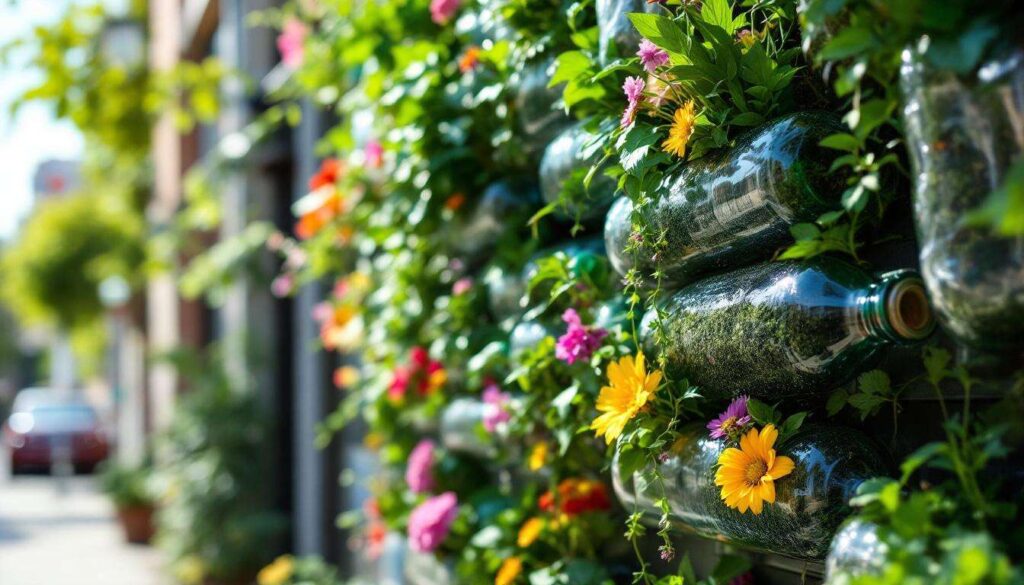
Gardening enthusiasts and environmentally conscious individuals alike are discovering innovative ways to transform discarded household items into thriving green spaces. The vertical garden has emerged as a practical solution for those facing spatial constraints whilst addressing the pressing issue of plastic waste. By repurposing materials destined for landfills, anyone can create an attractive and functional growing system that brings nature closer to home.
Understanding the Concept of a DIY Vertical Garden
What Defines a Vertical Garden
A vertical garden represents a space-efficient cultivation method where plants grow upwards rather than spreading horizontally across traditional garden beds. This approach utilises vertical surfaces such as walls, fences, or specially constructed frames to support multiple planting containers arranged in tiers or columns. The technique maximises growing potential in limited areas whilst creating visually striking displays.
Why Recycled Materials Matter
Incorporating recycled items into vertical garden construction serves multiple purposes beyond mere cost savings. Plastic bottles and milk jugs, which typically require hundreds of years to decompose in landfills, gain new purpose as planting vessels. This practice embodies the principles of circular economy, where materials maintain utility through creative repurposing rather than becoming environmental burdens.
The advantages of vertical gardening extend to both practical and aesthetic dimensions, making this approach increasingly relevant for modern living spaces.
Choosing the Recycled Item: the Right Choice for Your Garden
Ideal Containers for Vertical Planting
Milk jugs and plastic bottles stand out as exceptional candidates for vertical garden projects due to their inherent characteristics:
- Lightweight construction facilitates easy mounting and repositioning
- Durable plastic withstands outdoor weather conditions
- Transparent or translucent material allows root system monitoring
- Sufficient capacity for adequate soil volume and root development
- Easy modification with basic household tools
Assessing Container Suitability
Not all plastic containers perform equally in vertical garden applications. When selecting materials, consider the following criteria:
| Container Type | Volume | Best For |
|---|---|---|
| Large milk jugs | 2-4 litres | Herbs, lettuce, strawberries |
| Standard plastic bottles | 500ml-2 litres | Small herbs, flowers, microgreens |
| Large beverage bottles | 3-5 litres | Tomatoes, peppers, larger plants |
Ensure containers are thoroughly cleaned before use to prevent contamination or unwanted odours that might affect plant health. With appropriate materials identified, the construction phase becomes straightforward.
Steps to Build Your Vertical Garden
Preparing Your Containers
Begin by cutting strategic openings in your chosen containers. For milk jugs, remove the bottom section whilst leaving the handle intact for hanging purposes. Alternatively, cut rectangular windows along one side to create horizontal planters. Pierce drainage holes in the lowest points to prevent waterlogging, which can lead to root rot and plant failure.
Creating the Support Structure
The mounting system determines your garden’s stability and longevity. Consider these approaches:
- Wire or rope systems suspended from overhead beams or brackets
- Wooden pallets affixed to walls providing attachment points
- Metal grids or trellis panels offering flexible positioning
- Purpose-built frames constructed from reclaimed timber
Assembly and Planting Process
Layer small stones or gravel at the container base to facilitate drainage, followed by quality potting mix enriched with compost. Position plants or seeds according to their specific requirements, considering factors such as root depth and spacing needs. Secure containers to the support structure using wire, zip ties, or rope, ensuring each unit hangs level to prevent soil spillage.
Strategic Placement Considerations
Arrange containers thoughtfully by placing sun-loving species in upper tiers where light exposure maximises, whilst shade-tolerant varieties occupy lower positions. This configuration optimises growing conditions across the entire vertical structure.
Once construction completes, attention turns to enhancing the garden’s visual appeal and functionality.
Tips to Beautify and Personalise Your Creation
Aesthetic Enhancement Techniques
Transform functional containers into decorative features through simple modifications. Apply weather-resistant paint in coordinating colours to create cohesive visual themes, or use stencils to add patterns and designs. Wrapping containers with natural materials such as jute twine or hessian fabric introduces textural variety whilst maintaining the eco-friendly ethos.
Plant Selection for Visual Impact
Choose species that offer contrasting colours, textures, and growth habits to create dynamic displays:
- Trailing plants like ivy or nasturtiums soften edges
- Variegated foliage adds visual interest beyond flowering periods
- Herbs provide functional beauty with aromatic qualities
- Flowering species introduce seasonal colour variations
Mixing edible and ornamental plants creates gardens that satisfy both practical and aesthetic desires.
Incorporating Functional Elements
Add practical accessories such as small labels identifying plant varieties, miniature watering indicators, or decorative hooks for hanging tools. These additions enhance usability whilst contributing to the overall design scheme.
Beyond aesthetics, vertical gardens deliver substantial environmental and economic advantages.
Ecological and Economic Benefits of the DIY Vertical Garden
Environmental Impact Reduction
Every plastic container diverted from waste streams represents a measurable environmental victory. Vertical gardens constructed from recycled materials actively combat plastic pollution whilst creating carbon-absorbing green spaces. Plants improve air quality by filtering pollutants and producing oxygen, effects amplified when multiple households adopt this practice.
Financial Advantages
The economic benefits extend beyond initial cost savings on containers and construction materials:
| Benefit Category | Estimated Savings |
|---|---|
| Container purchase elimination | £20-50 annually |
| Home-grown produce | £100-300 annually |
| Reduced cooling costs | £30-80 annually |
Community and Educational Value
Vertical gardens serve as teaching tools demonstrating sustainable practices to family members and neighbours. They inspire conversations about waste reduction, food production, and environmental stewardship, potentially catalysing broader community engagement with ecological issues.
Sustaining these benefits requires appropriate ongoing care and optimisation strategies.
Maintaining and Optimising Your Vertical Garden
Watering Requirements and Techniques
Vertical configurations experience faster moisture evaporation than ground-level gardens due to increased air circulation and sun exposure. Implement regular watering schedules, checking soil moisture daily during warm periods. Consider installing drip irrigation systems using recycled tubing to automate watering whilst conserving water resources.
Nutrient Management
Container-grown plants deplete soil nutrients more rapidly than those in traditional beds. Apply liquid fertilisers fortnightly during growing seasons, or incorporate slow-release organic options into the potting mix. Compost tea provides an eco-friendly nutrient boost whilst maintaining the sustainable ethos.
Seasonal Adjustments and Plant Rotation
Adapt your vertical garden to changing seasons by:
- Rotating containers to equalise light exposure
- Replacing spent annuals with seasonal varieties
- Protecting tender plants during cold periods
- Pruning overgrown specimens to maintain structure
Problem Prevention and Solutions
Monitor plants regularly for pest infestations or disease symptoms. The elevated position naturally deters many ground-dwelling pests, but vigilance remains essential. Remove affected foliage promptly and employ organic pest control methods to maintain garden health without introducing harmful chemicals.
Vertical gardens constructed from recycled materials represent practical solutions to multiple contemporary challenges. They address spatial limitations in urban environments whilst reducing plastic waste and providing fresh produce or ornamental beauty. The combination of environmental responsibility, economic sensibility, and creative expression makes this approach accessible to gardeners of all skill levels. By transforming discarded containers into productive growing systems, individuals contribute to broader sustainability efforts whilst enjoying the therapeutic benefits of nurturing plants. The simplicity of construction and maintenance ensures that anyone can participate in this rewarding practice, creating green spaces that enhance both personal wellbeing and environmental health.