
Growing plants without soil might sound futuristic, but hydroponics has become an accessible and stylish way for urban dwellers and gardening enthusiasts to cultivate fresh produce at home. This method of growing plants in nutrient-rich water solutions offers a practical alternative to traditional gardening, particularly for those with limited outdoor space. From compact countertop systems to vertical wall gardens, hydroponic setups can fit seamlessly into modern living spaces whilst providing fresh herbs, vegetables, and even flowers year-round. Whether you live in a small flat or simply want to maximise your growing potential, hydroponics presents an innovative solution that combines functionality with contemporary design.
Introduction to hydroponics: what is it ?
Hydroponics represents a soil-free cultivation method where plants receive their nutrients directly from water-based solutions. Instead of drawing minerals from soil, plant roots are suspended in or regularly exposed to nutrient-enriched water, allowing for more efficient absorption and faster growth rates.
The basic principles behind hydroponic growing
The fundamental concept revolves around providing plants with everything they need in a controlled environment. Plants require six essential elements: light, water, oxygen, carbon dioxide, nutrients, and a suitable temperature. In hydroponic systems, growers maintain precise control over nutrient concentrations, pH levels, and water delivery, creating optimal conditions for plant development.
The growing medium in hydroponics serves primarily as physical support rather than a nutrient source. Common materials include:
- Expanded clay pellets
- Coconut coir
- Perlite
- Rockwool
- Vermiculite
Different types of hydroponic systems
Several hydroponic methods exist, each with distinct characteristics. Deep water culture suspends plant roots directly in oxygenated nutrient solutions, whilst nutrient film technique uses a shallow stream of water flowing past root systems. Ebb and flow systems periodically flood growing trays before draining, and drip systems deliver nutrients through controlled irrigation.
Understanding these foundational concepts naturally leads to exploring why beginners find this growing method so appealing.
The benefits of hydroponics for beginners
Newcomers to hydroponics discover numerous advantages that make this cultivation method particularly attractive for first-time growers seeking reliable results without extensive gardening experience.
Accelerated growth and higher yields
Hydroponic plants typically grow 30 to 50 per cent faster than their soil-grown counterparts because nutrients are delivered directly to root systems in optimal concentrations. This efficiency eliminates the energy plants would otherwise expend searching for nutrients in soil, redirecting that energy towards vigorous growth and fruit production.
| Growing Method | Average Growth Rate | Water Usage |
|---|---|---|
| Traditional Soil | Standard baseline | 100% |
| Hydroponics | 30-50% faster | 90% less |
Space efficiency and year-round cultivation
Hydroponic systems require significantly less space than traditional gardens because plants can be positioned closer together without competing for soil nutrients. Vertical growing arrangements further maximise limited areas, making hydroponics ideal for balconies, kitchens, or spare rooms. Additionally, indoor hydroponic setups enable year-round growing regardless of outdoor weather conditions or seasonal limitations.
Reduced pest problems and cleaner harvests
Soil-borne pests and diseases pose minimal threats in hydroponic environments, reducing the need for pesticides and creating cleaner, safer produce. The controlled indoor environment also means fewer weeds and less maintenance overall, allowing beginners to focus on plant care rather than constant troubleshooting.
With these compelling advantages in mind, selecting the right system becomes the next crucial step for aspiring hydroponic gardeners.
How to choose a suitable hydroponic system
Selecting an appropriate hydroponic setup depends on several factors including available space, budget, technical confidence, and the types of plants you wish to cultivate.
Beginner-friendly system options
Deep water culture systems represent the simplest entry point for newcomers. These setups require minimal components: a reservoir, an air pump, air stones, and net pots. The straightforward design makes maintenance and troubleshooting easier for those still learning hydroponic fundamentals.
Alternatively, wick systems require no electricity or moving parts, using capillary action to draw nutrients to plant roots. Whilst limited to smaller, less water-demanding plants, these passive systems offer an excellent introduction to hydroponics principles without technical complexity.
Considerations for plant selection
Different plants thrive in different hydroponic systems. Leafy greens and herbs perform excellently in nearly any setup, whilst fruiting plants like tomatoes or peppers require more robust systems with stronger support structures. Consider these factors:
- Root size and growth patterns
- Nutrient requirements
- Physical support needs
- Light intensity preferences
- Growth duration from seed to harvest
Budget and space constraints
Initial investment varies considerably. Simple DIY systems can be assembled for under £50, whilst commercial all-in-one units may cost several hundred pounds. Assess your available space carefully, measuring not just floor area but also vertical clearance for plant growth and lighting equipment.
Once you’ve identified the ideal system for your circumstances, implementing it effectively within your available space requires thoughtful planning.
Creating a hydroponic garden in a limited space
Small flats and compact homes need not limit your hydroponic ambitions. Strategic planning and creative solutions enable productive gardens even in the tightest quarters.
Vertical growing strategies
Vertical hydroponic towers maximise growing capacity by stacking planting sites upwards rather than outwards. These systems can accommodate dozens of plants within a footprint of less than one square metre, making them perfect for balconies or corners of living spaces. Wall-mounted systems similarly exploit unused vertical surfaces whilst creating striking living wall features.
Optimising light in small spaces
Natural sunlight remains ideal but often proves insufficient in indoor settings. LED grow lights provide full-spectrum illumination in compact, energy-efficient fixtures that can be positioned precisely where needed. Calculate light requirements based on plant type:
- Leafy greens: 200-400 μmol/m²/s
- Herbs: 300-500 μmol/m²/s
- Fruiting plants: 500-900 μmol/m²/s
Multi-functional design integration
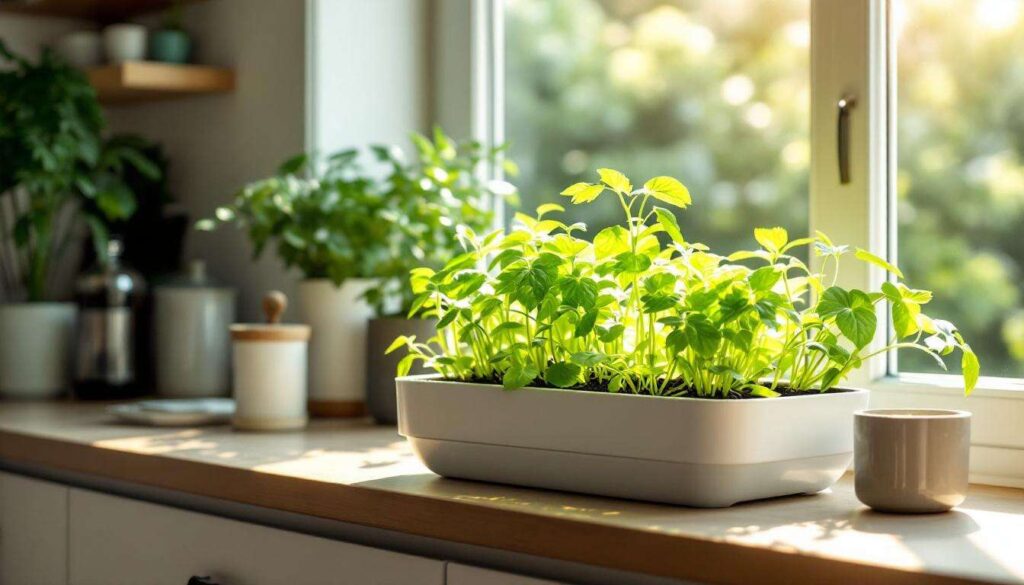
Modern hydroponic systems can serve dual purposes as functional furniture or decorative elements. Countertop herb gardens double as kitchen features, whilst stylish tower gardens act as room dividers or focal points. This integration allows hydroponics to enhance rather than clutter limited living spaces.
Even with perfect planning and equipment, certain pitfalls commonly trap inexperienced growers and hinder their success.
Common mistakes to avoid in hydroponics
Understanding frequent errors helps beginners sidestep frustration and achieve better results from their first hydroponic ventures.
Nutrient solution management errors
The most prevalent mistake involves incorrect nutrient concentrations. Too much fertiliser burns roots and stunts growth, whilst insufficient nutrients cause deficiencies and poor development. Always follow manufacturer guidelines and use an EC (electrical conductivity) metre to verify solution strength. Additionally, neglecting pH levels creates nutrient lockout even when concentrations are correct; most plants prefer pH values between 5.5 and 6.5.
Inadequate oxygenation
Plant roots require oxygen just as much as nutrients and water. Insufficient aeration leads to root rot and plant death, particularly in deep water culture systems. Ensure air pumps run continuously and air stones remain clean and functional. Warm water holds less dissolved oxygen, so maintaining reservoir temperatures between 18-22°C proves essential.
Overlooking system maintenance
Regular cleaning prevents algae growth, mineral buildup, and pathogen development. Reservoirs should be emptied and cleaned every two to three weeks, whilst growing media may need periodic flushing. Monitoring water levels daily prevents pump damage and ensures consistent nutrient delivery.
Beyond functional considerations, aesthetic choices can transform a basic growing system into an attractive home feature.
Personalising your hydroponic garden: design tips
Hydroponics need not sacrifice style for functionality. Thoughtful design choices create systems that enhance your living space whilst producing fresh food.
Choosing aesthetically pleasing containers and materials
Colour coordination with existing décor creates visual harmony. White or neutral-toned reservoirs suit minimalist interiors, whilst bold colours can serve as accent pieces. Consider materials like bamboo, brushed metal, or ceramic finishes that complement contemporary design trends rather than industrial-looking plastic components.
Incorporating decorative elements
Strategic placement of decorative stones, coloured growing media, or attractive plant varieties adds visual interest. Purple basil, variegated lettuce, and flowering herbs provide colour beyond standard green foliage. Integrated LED lighting can create ambient illumination during evening hours, serving both plant needs and atmospheric purposes.
Creating cohesive garden themes
Develop focused gardens around specific concepts such as:
- Culinary herb collections for cooking enthusiasts
- Salad gardens featuring diverse lettuce varieties
- Medicinal plant displays with aloe and chamomile
- Microgreen stations for nutritional supplements
These thematic approaches create purposeful, curated displays rather than random plant assortments, elevating the overall aesthetic whilst maintaining practical functionality.
Hydroponics offers an accessible pathway into home food production that suits modern lifestyles and spatial constraints. The combination of faster growth rates, water efficiency, and space-saving designs makes this cultivation method particularly appealing for beginners. By selecting appropriate systems, avoiding common pitfalls, and incorporating thoughtful design elements, newcomers can create productive and attractive growing spaces that enhance their homes whilst providing fresh, healthy produce throughout the year. Whether starting with a simple countertop herb garden or ambitious vertical tower, the journey into hydroponics rewards patience and attention with abundant harvests and the satisfaction of growing your own food.