



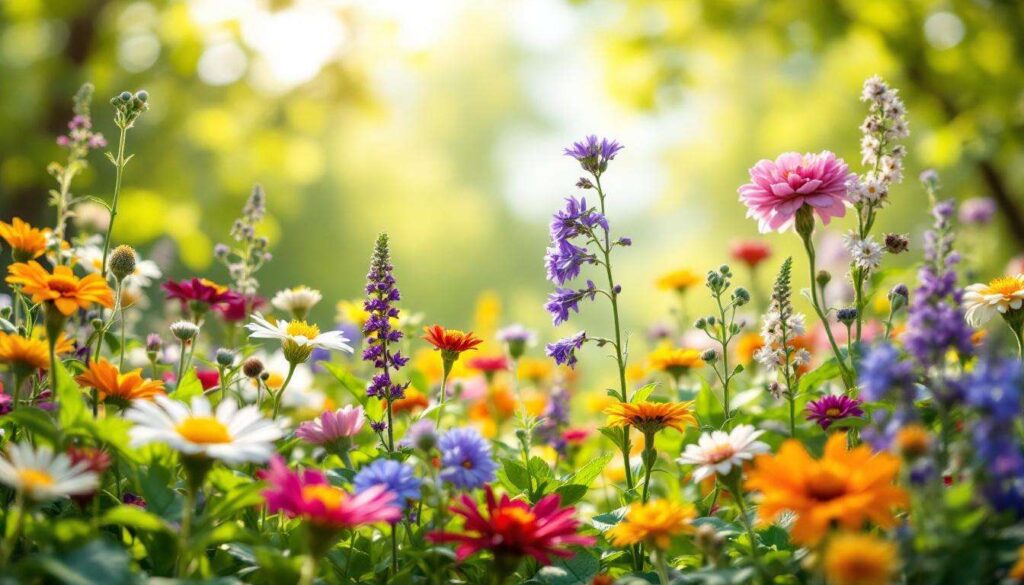
Wildflowers have long captivated gardeners and nature enthusiasts with their delicate beauty and profound symbolic meanings. Each month of the year corresponds to specific wildflower varieties that carry unique messages and characteristics, creating a fascinating link between nature’s cycles and human traditions. Understanding these birth month flowers allows gardeners to craft meaningful outdoor spaces whilst celebrating personal connections to the natural world. From the resilient snowdrop of January to the cheerful poinsettia of December, these botanical treasures offer far more than aesthetic appeal—they represent emotions, memories, and the passage of time itself.
Fleurs sauvages : symbolisme et spécificités des mois de naissance
January: snowdrop and carnation
The snowdrop emerges as one of the first blooms to pierce through winter’s frost, symbolising hope and rebirth. These delicate white flowers demonstrate remarkable resilience, often appearing whilst snow still blankets the ground. Carnations, the alternative January flower, represent admiration and distinction with their ruffled petals available in numerous colours.
February: violet and primrose
February’s violet embodies modesty, faithfulness, and spiritual wisdom. These low-growing wildflowers thrive in woodland settings and feature heart-shaped leaves alongside purple, white, or yellow blooms. Primroses complement violets with their cheerful yellow flowers, signifying young love and new beginnings during late winter.
March through June: spring’s vibrant messengers
The spring months showcase an explosion of colour and symbolism:
- March: daffodils represent new beginnings and unequalled love with their golden trumpets
- April: daisies symbolise innocence and purity through simple white petals
- May: lily of the valley conveys sweetness and humility with fragrant bell-shaped flowers
- June: honeysuckle embodies devotion and everlasting bonds with tubular blooms
July through December: summer and autumn celebrations
| Month | Wildflower | Primary Symbolism |
|---|---|---|
| July | Larkspur | Lightness and levity |
| August | Poppy | Remembrance and peace |
| September | Aster | Wisdom and valour |
| October | Marigold | Passion and creativity |
| November | Chrysanthemum | Loyalty and honesty |
| December | Holly | Protection and goodwill |
Understanding these symbolic associations provides gardeners with opportunities to create deeply personal outdoor spaces that reflect individual birth months or commemorate special occasions. The seasonal variations amongst these flowers also ensure year-round interest and continuous blooming cycles within garden designs.
Comment choisir les fleurs de naissance pour votre jardin
Assessing your growing conditions
Successful cultivation begins with honest evaluation of your garden’s specific characteristics. Consider sunlight exposure throughout the day, as some birth month flowers like daffodils thrive in full sun whilst violets prefer partial shade. Soil type proves equally critical—poppies flourish in well-drained sandy soils, whereas primroses require moisture-retentive conditions with organic matter.
Climate zone compatibility determines which varieties will establish successfully in your region. Hardy perennials such as snowdrops withstand harsh winters, making them ideal for northern gardens, whilst more tender species require protection or greenhouse cultivation in colder areas.
Creating meaningful combinations
Designing with birth month flowers allows for personalised garden narratives. Many gardeners choose to feature:
- Their own birth month flower as a focal point
- Family members’ flowers grouped in dedicated beds
- Sequential plantings that bloom throughout the year
- Colour-coordinated schemes based on symbolic meanings
Practical planning considerations
Space requirements vary considerably amongst birth month wildflowers. Compact varieties like violets suit container gardens and small borders, whilst sprawling honeysuckle demands substantial vertical support structures. Planning should account for mature plant dimensions to avoid overcrowding and ensure adequate air circulation.
Maintenance expectations differ significantly between species. Low-maintenance options such as daisies and marigolds require minimal intervention, whereas more demanding flowers like chrysanthemums benefit from regular deadheading, feeding, and division. These cultivation requirements naturally lead to considerations about how wildflowers contribute to broader ecological systems within garden environments.
Les bienfaits des fleurs sauvages sur la biodiversité
Supporting pollinator populations
Birth month wildflowers provide essential nectar and pollen resources for diverse pollinator species throughout the growing season. Native varieties particularly attract specialist bees, butterflies, and hoverflies that have evolved alongside these plants. Research demonstrates that gardens incorporating multiple wildflower species support up to five times more pollinator visits compared to conventional ornamental plantings.
The sequential blooming pattern of birth month flowers ensures continuous food availability from snowdrops in late winter through to holly berries in December, supporting pollinator lifecycles during critical periods.
Enhancing soil health and structure
Wildflower root systems contribute significantly to soil improvement through various mechanisms:
- Deep taproots break up compacted layers and improve drainage
- Fibrous root networks prevent erosion on slopes
- Decaying plant material adds organic matter and nutrients
- Mycorrhizal associations enhance nutrient uptake efficiency
Creating habitat complexity
Diverse wildflower plantings establish multilayered habitats that shelter beneficial insects, small mammals, and ground-nesting birds. The varied heights, flowering times, and seed production of birth month flowers create microhabitats supporting complex food webs. Asters and chrysanthemums provide late-season seeds for overwintering birds, whilst dense violet foliage offers ground cover for beetles and spiders.
These ecological benefits extend beyond wildlife support to influence how gardens function within broader landscape contexts and urban planning frameworks.
L’impact des fleurs de naissance sur l’aménagement paysager
Seasonal structure and visual interest
Incorporating birth month wildflowers into landscape designs ensures year-round aesthetic appeal through carefully orchestrated succession planting. Professional landscapers increasingly recognise the value of these flowers for creating dynamic spaces that evolve with the seasons rather than relying on static evergreen schemes.
Winter landscapes gain vital colour from snowdrops and early primroses, preventing the barren appearance common in traditional designs. Spring transitions bring daffodils and violets, followed by summer’s larkspurs and poppies, culminating in autumn’s asters and chrysanthemums.
Sustainable design principles
Birth month wildflowers align perfectly with contemporary sustainable landscaping approaches. Their typically lower water requirements compared to exotic ornamentals reduce irrigation demands, whilst their native or naturalised status minimises pest and disease pressures. This translates to reduced chemical inputs and maintenance costs over time.
| Design Benefit | Traditional Planting | Wildflower Approach |
|---|---|---|
| Water usage | High | Low to moderate |
| Maintenance hours | 15-20 per month | 5-10 per month |
| Chemical inputs | Regular | Minimal to none |
Cultural and emotional connections
Landscapes featuring birth month flowers create meaningful spaces that resonate emotionally with users. Memorial gardens often incorporate deceased loved ones’ birth flowers, whilst public spaces celebrating community diversity might showcase all twelve months in dedicated beds. These symbolic plantings transform functional landscapes into places of reflection and personal significance.
Understanding these design applications naturally leads to practical questions about successfully establishing and maintaining wildflower plantings throughout different seasons.
Astuces pour cultiver les fleurs sauvages selon leur saison
Spring planting strategies
Early spring offers optimal conditions for establishing summer and autumn bloomers such as poppies, asters, and marigolds. Soil preparation proves crucial—incorporate well-rotted compost to improve structure and provide slow-release nutrients. Direct sowing works well for hardy annuals like poppies, whilst perennials benefit from transplanting established seedlings after frost danger passes.
Spring-blooming varieties including daffodils and primroses require autumn planting to develop adequate root systems before winter dormancy. Plant bulbs at depths three times their height and ensure excellent drainage to prevent rot.
Summer maintenance essentials
During active growth periods, wildflowers require consistent but not excessive watering. Most species prefer deep, infrequent irrigation that encourages robust root development rather than shallow daily watering. Key summer tasks include:
- Deadheading spent blooms to prolong flowering periods
- Monitoring for pest damage and addressing issues promptly
- Applying mulch to conserve moisture and suppress weeds
- Staking tall varieties like larkspurs before they flop
Autumn preparation and winter protection
Autumn presents critical opportunities for ensuring next season’s success. Allow late-blooming flowers like chrysanthemums and asters to set seed, providing food for wildlife whilst enabling natural self-seeding. Cut back perennial foliage only after it has fully died back, as premature removal weakens plants.
Winter protection requirements vary by species and climate. Hardy varieties like snowdrops require no intervention, whilst tender perennials benefit from mulch layers or protective cloches in exposed locations. Container-grown specimens should be moved to sheltered positions or insulated with bubble wrap around pots.
Birth month wildflowers represent far more than decorative additions to gardens—they embody centuries of symbolism whilst providing measurable ecological benefits and sustainable landscaping solutions. The twelve varieties spanning January’s hopeful snowdrops through December’s protective holly create opportunities for deeply personal garden designs that honour individual connections to nature’s rhythms. By understanding each flower’s specific growing requirements and symbolic meanings, gardeners can cultivate spaces that support biodiversity, require minimal maintenance, and provide year-round visual interest. Whether establishing a complete birth month collection or selecting individual varieties with special significance, these wildflowers offer accessible pathways to creating meaningful, environmentally responsible outdoor spaces that celebrate both personal milestones and the natural world’s enduring beauty.