



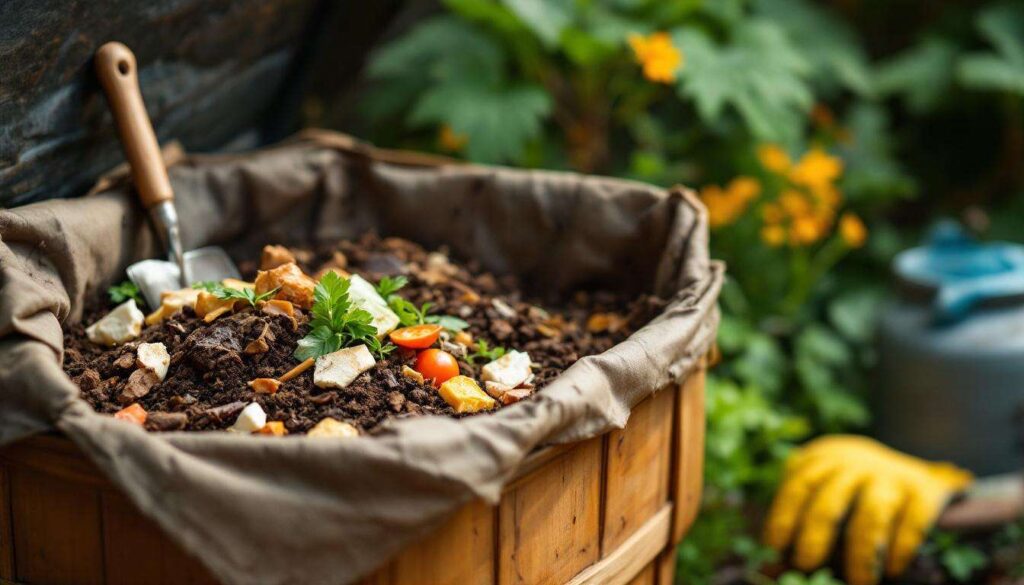
Composting doesn’t have to be a labour-intensive chore requiring constant attention and meticulous layering. For gardeners who want the benefits of nutrient-rich compost without the demanding maintenance schedules, lazy composting offers an appealing alternative. This approach embraces natural decomposition processes, allowing organic matter to break down at its own pace with minimal human intervention. From understanding the foundational 45cm rule to harnessing the power of worm work, this method proves that effective composting can be surprisingly straightforward. Whether you’re short on time, physical energy, or simply prefer a hands-off gardening approach, lazy composting delivers results without the fuss.
The basics of lazy composting
What defines lazy composting
Lazy composting, also known as cold composting or passive composting, relies on natural decomposition without regular turning, monitoring temperatures, or maintaining precise carbon-to-nitrogen ratios. Unlike traditional hot composting methods that require weekly turning and careful management, this approach simply involves adding organic materials to a designated area and allowing nature to take its course. The process takes considerably longer—often twelve to eighteen months—but requires virtually no effort once established.
Essential components for success
Despite its relaxed nature, lazy composting still requires certain fundamental elements:
- A designated composting area, whether a simple heap, bin, or trench
- A mixture of green materials (nitrogen-rich) and brown materials (carbon-rich)
- Adequate moisture levels maintained by rainfall
- Sufficient air circulation through the pile’s structure
- Patience to allow decomposition to occur naturally
The beauty of this method lies in its forgiving nature. Whilst traditional composting demands specific ratios and conditions, lazy composting tolerates imbalances and still produces usable compost, albeit more slowly. The decomposition happens through the work of bacteria, fungi, insects, and other organisms that naturally colonise organic matter.
Understanding these fundamentals sets the stage for appreciating why so many gardeners are abandoning intensive composting methods in favour of this effortless alternative.
Why choose lazy composting ?
Time-saving advantages
The most compelling reason to adopt lazy composting is the dramatic reduction in time commitment. Traditional composting can demand several hours monthly for turning, monitoring, and adjusting moisture levels. Lazy composting eliminates these tasks entirely, requiring perhaps fifteen minutes weekly to add kitchen scraps and garden waste. For busy households, this represents a sustainable solution that fits seamlessly into existing routines without adding burdensome chores.
Physical accessibility benefits
Turning heavy compost piles presents genuine physical challenges, particularly for elderly gardeners or those with mobility limitations. Lazy composting removes this barrier entirely, making composting accessible to everyone regardless of physical capability. The method requires no heavy lifting, no strenuous digging, and no repetitive physical strain.
Environmental and practical considerations
| Aspect | Lazy composting | Traditional composting |
|---|---|---|
| Time investment | Minimal (15 mins/week) | Substantial (2-3 hours/month) |
| Physical effort | Very low | Moderate to high |
| Completion time | 12-18 months | 3-6 months |
| Skill level required | Beginner-friendly | Intermediate |
Additionally, lazy composting produces fewer odours because the pile doesn’t heat up significantly, reducing the release of volatile compounds. This makes it particularly suitable for urban gardens where neighbours might object to composting smells.
Having established the compelling reasons for choosing this method, the next consideration involves understanding the spatial principles that make it effective.
The principle of the 45cm rule
Understanding the measurement
The 45cm rule refers to the minimum depth recommended for effective lazy composting when creating a compost trench or pit. This specific measurement ensures that organic materials are buried deeply enough to discourage pests whilst remaining within the biologically active soil layer where decomposition occurs most efficiently. Materials buried too shallowly attract rodents and other animals, whilst those buried too deeply enter anaerobic zones where decomposition slows dramatically.
Application in different composting methods
This principle applies across various lazy composting approaches:
- Trench composting: dig a trench 45cm deep, add kitchen scraps, cover with soil
- Pit composting: create a permanent pit of this depth for ongoing waste disposal
- Lasagne composting: build layers to achieve a total depth of approximately 45cm
- Heap composting: allow the pile to settle naturally to this minimum depth
The 45cm measurement also relates to moisture retention. At this depth, organic materials remain sufficiently moist without waterlogging, creating ideal conditions for decomposer organisms. Shallower depths dry out too quickly, particularly during summer months, whilst greater depths can become anaerobic and produce unpleasant odours.
Adapting the rule to your garden
Whilst 45cm serves as an excellent guideline, soil type and climate may necessitate adjustments. Heavy clay soils benefit from slightly shallower depths to prevent waterlogging, whilst sandy soils can accommodate deeper burial. The key is ensuring materials remain within the biologically active zone where earthworms, beneficial bacteria, and fungi thrive.
Once you’ve mastered the spatial aspects of lazy composting, introducing specific decomposer organisms can significantly enhance the process.
How to integrate ‘worm work’ ?
The role of worms in lazy composting
Incorporating worms transforms lazy composting from a purely passive process into an enhanced biological system. Earthworms and composting worms (particularly Eisenia fetida) accelerate decomposition, improve compost structure, and create nutrient-rich castings that benefit plants tremendously. Their tunnelling activities also improve aeration without requiring manual turning.
Establishing a worm-friendly environment
Worms naturally colonise outdoor compost heaps, but you can encourage their presence through specific practices:
- Maintain consistent moisture levels similar to a wrung-out sponge
- Avoid adding citrus peels, onions, and garlic in large quantities
- Include cardboard and paper to provide bedding material
- Bury fresh materials beneath existing compost to prevent drying
- Avoid disturbing the pile unnecessarily
Combining traditional and vermicomposting approaches
For optimal results, consider creating designated worm zones within your lazy compost system. This involves setting aside a section specifically for worm activity, adding materials they particularly favour, and harvesting their castings periodically. This hybrid approach delivers the convenience of lazy composting whilst capturing the superior nutrient quality that worm castings provide.
With worms working alongside natural decomposition processes, attention turns to simple strategies that maximise efficiency without adding significant effort.
Tips for optimising lazy composting
Strategic material placement
Even within a low-maintenance system, thoughtful material placement improves results. Place woody materials and thick stems at the bottom of heaps to create air pockets, preventing compaction. Add kitchen scraps in thin layers rather than dumping large quantities in one spot, which can create anaerobic pockets and odours. Covering fresh additions with a layer of brown materials or finished compost reduces pest attraction whilst maintaining moisture.
Seasonal considerations
Adjusting practices seasonally enhances decomposition rates:
- Spring: add nitrogen-rich grass clippings to boost microbial activity
- Summer: ensure adequate moisture during dry periods with occasional watering
- Autumn: incorporate fallen leaves as brown material for winter decomposition
- Winter: continue adding materials; decomposition slows but doesn’t stop entirely
Maximising available space
Multiple smaller heaps often outperform single large piles in lazy composting systems. Establishing two or three composting areas allows one to mature undisturbed whilst others receive fresh materials. This rotation system ensures a continuous supply of finished compost without requiring active management.
Whilst lazy composting is remarkably forgiving, certain practices can undermine even this resilient method.
Mistakes to avoid in lazy composting
Common pitfalls that slow decomposition
Despite its simplicity, lazy composting can fail when gardeners make these fundamental errors. Adding exclusively green or brown materials creates imbalances that dramatically slow decomposition. Whilst precise ratios aren’t necessary, maintaining some variety ensures adequate nitrogen for microbial activity and carbon for structure. Similarly, creating completely sealed bins without ventilation produces anaerobic conditions, resulting in foul-smelling sludge rather than usable compost.
Materials that compromise the system
Certain items should never enter lazy compost heaps:
- Meat, fish, and dairy products that attract pests and create odours
- Diseased plant materials that may survive the lower temperatures
- Perennial weed roots and seed heads that can remain viable
- Pet waste containing harmful pathogens
- Treated wood or chemically contaminated materials
Location and structural mistakes
Positioning compost heaps on concrete or impermeable surfaces prevents beneficial organisms from colonising the pile and blocks drainage. Similarly, placing bins in deep shade or full sun creates temperature extremes that inhibit decomposition. Partial shade with good air circulation provides optimal conditions. Avoiding these common mistakes ensures your lazy composting system functions effectively with minimal intervention.
Lazy composting represents a practical solution for gardeners seeking sustainable waste management without intensive labour commitments. The 45cm rule provides spatial guidance for effective decomposition, whilst integrating worm work enhances nutrient quality and processing speed. By understanding basic principles, choosing appropriate materials, and avoiding common pitfalls, anyone can establish a successful low-maintenance composting system. This approach proves that environmental responsibility and convenience need not be mutually exclusive, delivering rich compost through patience rather than effort.