



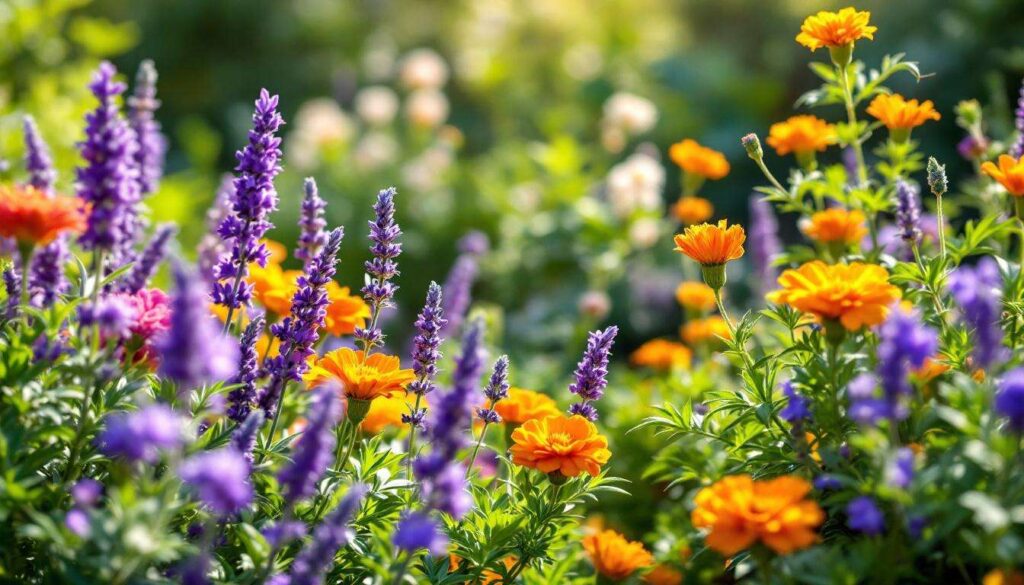
Mosquitoes can transform a peaceful evening in the garden into an uncomfortable ordeal. These persistent insects not only cause irritating bites but also carry potential health risks. Whilst chemical repellents offer temporary relief, many gardeners seek sustainable and environmentally friendly alternatives to protect their outdoor spaces. Strategically incorporating specific plants into your landscape design provides a natural barrier against these unwelcome visitors, creating a more enjoyable environment for relaxation and entertainment.
The menace of mosquitoes in your garden
Understanding mosquito behaviour
Mosquitoes thrive in environments that provide moisture, shelter, and access to hosts. Female mosquitoes require blood meals to develop their eggs, making human activity areas prime hunting grounds. These insects are particularly active during dawn and dusk, when temperatures cool and humidity rises. Gardens with standing water, dense vegetation, and shaded areas create ideal breeding conditions, allowing mosquito populations to flourish rapidly throughout warmer months.
Health and comfort concerns
Beyond the immediate discomfort of itchy bites, mosquitoes pose genuine health concerns. They transmit various diseases and can significantly diminish the quality of outdoor living. The constant buzzing and biting make simple activities like gardening, dining alfresco, or children’s play sessions considerably less pleasant. Effective mosquito management becomes essential for anyone wishing to fully utilise their outdoor space during peak mosquito season.
| Mosquito impact | Effect on garden enjoyment |
|---|---|
| Physical discomfort | Itching, swelling, allergic reactions |
| Behavioural changes | Reduced outdoor time, limited activities |
| Health risks | Disease transmission potential |
Addressing this problem requires a multifaceted approach, and incorporating natural deterrents represents one of the most sustainable methods available to homeowners.
Repellent plants: a natural solution
How botanical defences work
Certain plants have evolved chemical compounds in their foliage and oils that mosquitoes find repellent. These natural substances interfere with the insects’ ability to locate hosts by masking the carbon dioxide and body odours that typically attract them. When planted strategically around seating areas, pathways, and entry points, these botanical defenders create protective zones that discourage mosquito activity without harmful chemicals or ongoing costs.
Advantages over conventional methods
Plant-based mosquito control offers numerous benefits compared to traditional approaches:
- Environmentally sustainable with no toxic residues
- Aesthetically pleasing additions to garden design
- Multi-functional, often providing culinary or aromatic benefits
- Cost-effective long-term solution requiring minimal maintenance
- Safe for children, pets, and beneficial insects
Understanding which plants offer the most effective protection allows gardeners to make informed choices when planning their defensive strategy.
Lemon grass: an essential plant
Natural citronella source
Lemon grass (Cymbopogon citratus) contains high concentrations of citronella oil, the active ingredient found in many commercial mosquito repellents. This tall, ornamental grass releases its protective compounds naturally, particularly when leaves are brushed or crushed. The plant’s robust growth habit and attractive appearance make it an excellent choice for borders, containers, or as a striking focal point in tropical-themed gardens.
Cultivation requirements
Lemon grass thrives in full sun and well-drained soil. It requires regular watering during dry periods and benefits from occasional feeding during the growing season. In temperate climates, treating it as an annual or overwintering potted specimens indoors ensures continued protection year after year. Position lemon grass near patios, doorways, and seating areas where its mosquito-repelling properties prove most valuable.
Beyond its defensive capabilities, lemon grass serves culinary purposes in Asian cuisine, making it a practical addition to any kitchen garden whilst simultaneously protecting adjacent spaces.
Lavender: summer’s ally
Aromatic protection
Lavender (Lavandula species) produces fragrant oils that mosquitoes find particularly offensive. The plant’s distinctive purple blooms and silvery foliage add visual appeal whilst its scent creates an invisible barrier against flying pests. Lavender’s versatility allows it to function in formal hedges, informal cottage gardens, or Mediterranean-style landscapes, providing protection whilst enhancing overall garden aesthetics.
Growing conditions and placement
This hardy perennial prefers sunny locations with excellent drainage. Lavender tolerates drought once established and requires minimal fertilisation. Plant lavender along pathways where foot traffic releases its oils, or position it near windows and doors to prevent mosquitoes from entering buildings. The plant’s compact varieties suit container cultivation, allowing placement on balconies or patios where protection is most needed.
| Lavender variety | Height | Best use |
|---|---|---|
| English lavender | 60-90cm | Borders, hedges |
| French lavender | 30-60cm | Containers, edges |
| Spanish lavender | 45-75cm | Feature planting |
Harvesting lavender for sachets and dried arrangements extends its protective benefits indoors, creating a comprehensive mosquito management system.
Basil: perfect for your borders
Dual-purpose herb
Basil (Ocimum basilicum) combines culinary excellence with mosquito-repelling properties. The plant’s essential oils, particularly eugenol and citronellol, effectively deter mosquitoes whilst providing fresh herbs for cooking. Various basil cultivars offer different leaf colours, sizes, and flavours, allowing gardeners to select varieties that complement both their defensive strategy and culinary preferences.
Strategic planting recommendations
Position basil in containers near outdoor dining areas, alongside vegetable gardens, or in decorative borders surrounding patios. The plant requires warm conditions, regular watering, and fertile soil to produce the lush foliage that maximises oil production. Pinching back flowering stems encourages bushier growth and maintains the concentration of protective compounds in the leaves.
- Plant in full sun for optimal oil production
- Water consistently to prevent stress
- Harvest regularly to promote new growth
- Protect from cold temperatures and frost
- Companion plant with tomatoes and peppers
The aromatic qualities that make basil valuable in the kitchen simultaneously create an unwelcoming environment for mosquitoes seeking blood meals.
Peppermint: freshness and efficiency
Vigorous growth and protection
Peppermint (Mentha × piperita) produces menthol-rich oils that mosquitoes avoid. This vigorous perennial spreads readily, creating extensive coverage that protects large areas. Whilst its aggressive growth requires management in garden beds, peppermint excels in containers where its expansion remains controlled. The plant’s refreshing scent and culinary applications make it a valuable addition despite its enthusiastic growth habit.
Management and utilisation
Contain peppermint in pots or install root barriers to prevent unwanted spreading. Place containers strategically around seating areas, near building foundations, or along garden perimeters where mosquitoes typically enter. The plant tolerates partial shade and moist soil, making it suitable for locations where other repellent plants might struggle. Regular harvesting for tea, cocktails, or culinary use keeps plants compact whilst releasing protective oils into the surrounding air.
Crushing fresh peppermint leaves and rubbing them on skin provides temporary personal protection during gardening activities, complementing the plant’s ambient repellent effects.
Creating a mosquito-resistant garden through strategic plant selection offers sustainable protection whilst enhancing outdoor living spaces. These five repellent plants provide effective natural defences when positioned thoughtfully around properties. By incorporating lemon grass, lavender, basil, and peppermint into landscape designs, gardeners establish multiple layers of protection that reduce mosquito populations without compromising environmental health or aesthetic appeal. The combination of practical benefits and ornamental value makes these plants essential components of any well-planned outdoor space.