


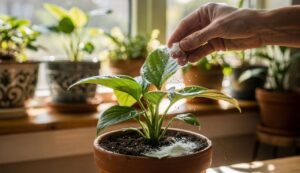
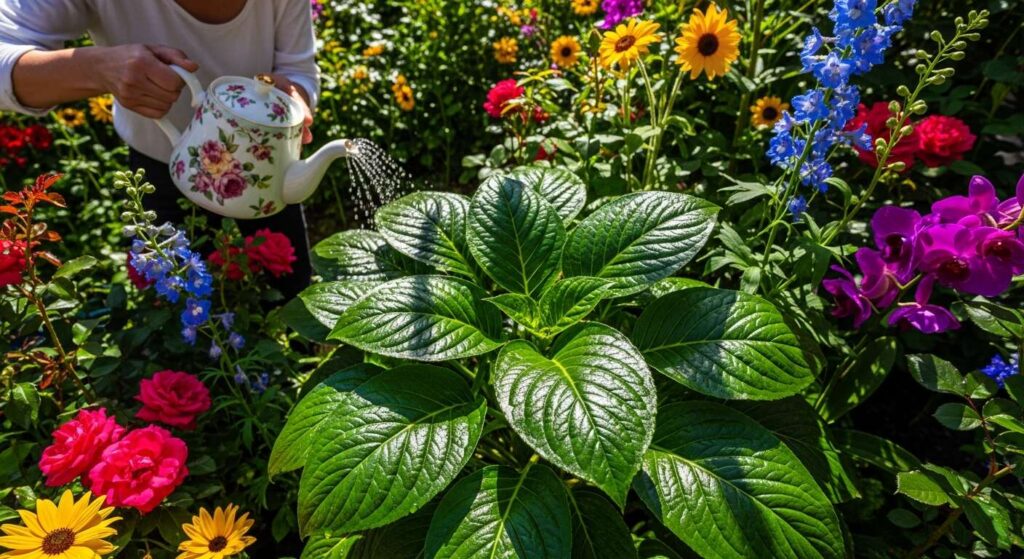
Gardeners across the country have been discovering an unexpected ally in their quest for lush, vibrant foliage. The humble cup of tea, once enjoyed and discarded, is finding new purpose as a plant tonic that promises to transform leaves into glossier, greener versions of themselves. This age-old beverage, rich in nutrients and natural compounds, offers a sustainable solution for those seeking to enhance their indoor and outdoor gardens without resorting to chemical fertilisers.
Benefits of watering plants with cooled tea
Nutritional boost for healthier growth
Cooled tea provides plants with a range of essential minerals and nutrients that support vigorous growth and development. The liquid contains nitrogen, phosphorus, and potassium, the three primary macronutrients required for plant health. Beyond these fundamental elements, tea also delivers trace amounts of iron, calcium, zinc, and magnesium, all of which contribute to stronger cellular structures and improved metabolic processes within the plant.
The presence of vitamins C, D, and K further enhances the nutritional profile of tea as a plant supplement. These vitamins support various physiological functions, from photosynthesis to disease resistance, making tea a comprehensive natural fertiliser alternative.
Soil conditioning properties
Beyond direct nutrition, tea acts as a soil conditioner that improves the growing environment for plant roots. The organic compounds in tea help to:
- Enhance soil structure by promoting beneficial microbial activity
- Improve water retention in sandy soils
- Increase drainage in clay-heavy substrates
- Suppress certain soil-borne pathogens through antimicrobial properties
These conditioning effects create a more hospitable environment for root development, which in turn supports healthier foliage above ground. The improved soil ecology fostered by regular tea applications can lead to more resilient plants capable of withstanding environmental stresses.
Understanding how tea achieves its remarkable effects on leaf appearance requires examining the chemical interactions between tea compounds and plant physiology.
Why cooled tea improves the colour of leaves
The role of tannic acid
Tea contains tannic acids, naturally occurring polyphenolic compounds that influence soil chemistry in ways beneficial to many plants. These acids gradually lower the pH of the soil, creating a more acidic environment. For plants that thrive in acidic conditions, this pH adjustment unlocks nutrients that would otherwise remain chemically bound and unavailable for uptake.
When soil pH decreases, iron becomes more soluble and accessible to plant roots. Iron plays a crucial role in chlorophyll production, the green pigment responsible for photosynthesis. Increased iron availability translates directly to deeper green colouration in leaves, as plants can synthesise chlorophyll more efficiently.
Nitrogen’s contribution to leaf vitality
Used tea leaves contain approximately 4.4% nitrogen, a macronutrient fundamental to leaf development and colour intensity. Nitrogen is a primary component of chlorophyll molecules and amino acids, making it indispensable for producing the proteins that give leaves their structure and function.
| Nutrient | Percentage in used tea leaves | Primary benefit |
|---|---|---|
| Nitrogen | 4.4% | Promotes leafy growth and green colour |
| Phosphorus | 0.24% | Supports root development and flowering |
| Potassium | 0.25% | Enhances overall plant health and disease resistance |
The glossy appearance that many gardeners report likely results from improved cellular health and turgor pressure in leaf tissues, both supported by the balanced nutrition tea provides.
Not all teas offer identical benefits, making the selection of appropriate varieties an important consideration for gardeners.
Choosing the right type of tea for your plants
Black tea as the preferred option
Black tea emerges as the most recommended variety for plant watering due to its higher tannic acid content and robust nutrient profile. The oxidation process that black tea undergoes during production concentrates beneficial compounds, making it particularly effective at lowering soil pH and providing nutrients.
Green tea, whilst nutritious, contains lower levels of tannic acid and may not produce the same acidifying effects. However, it remains a viable option for plants that prefer neutral to slightly acidic conditions.
Avoiding additives and flavourings
When selecting tea for garden use, gardeners should prioritise plain, unflavoured varieties without added ingredients. Teas to avoid include:
- Milk tea or tea with dairy products, which can encourage bacterial growth in soil
- Sweetened tea, as sugar attracts pests and promotes fungal infections
- Flavoured or scented teas containing oils that may harm beneficial soil organisms
- Herbal infusions, which lack the specific compounds found in true tea leaves
Pure black or green tea from the Camellia sinensis plant provides the most reliable benefits without introducing potentially harmful substances to the growing medium.
Whilst many plants can benefit from tea applications, certain species show particularly positive responses to this treatment.
Plants that particularly appreciate tea
Acid-loving specimens
Plants that naturally thrive in acidic soil conditions respond most enthusiastically to regular tea watering. Ferns, particularly maidenhair varieties, have demonstrated notable improvements in leaf colour and vigour when treated with cooled tea. These delicate plants benefit from both the acidifying properties and the gentle nutrient boost that tea provides.
Other acid-loving plants that appreciate tea include:
- Azaleas and rhododendrons
- Camellias
- Hydrangeas (for blue flower production)
- Blueberry bushes
- Gardenias
Foliage plants and houseplants
Indoor plants grown primarily for their ornamental foliage often show visible improvements when watered with tea. Species such as philodendrons, pothos, and peace lilies may develop richer green tones and increased leaf shine. The mild fertilising effect supports continuous leaf production without the salt build-up associated with synthetic fertilisers.
Roses also respond positively to tea applications, with gardeners reporting improved leaf health and increased resistance to common fungal diseases.
Achieving optimal results requires proper application techniques that maximise benefits whilst minimising potential drawbacks.
How to apply cooled tea to plants
Preparation and cooling process
The application process begins with brewing tea as normal, then allowing it to cool completely to room temperature. Hot or warm tea can damage plant roots and beneficial soil microorganisms, rendering the treatment counterproductive. Patience during the cooling phase ensures that plants receive only beneficial effects.
Gardeners can prepare tea specifically for plants or repurpose leftover tea from daily consumption, provided it contains no milk, sugar, or other additives.
Application frequency and quantity
Moderation proves essential when incorporating tea into plant care routines. Recommended practices include:
- Using tea water once weekly for acid-loving plants
- Applying tea fortnightly for plants preferring neutral soil
- Diluting strong tea with an equal volume of water for sensitive species
- Monitoring soil pH regularly to prevent excessive acidification
The quantity applied should match normal watering volumes, ensuring thorough soil saturation without waterlogging. Observing plant responses over several weeks allows gardeners to adjust frequency based on individual plant needs and growing conditions.
Whilst tea offers numerous benefits, responsible use requires awareness of potential complications and how to avoid them.
Precautions to take when using tea in the garden
Monitoring soil pH levels
The primary concern when using tea regularly involves excessive soil acidification. Plants adapted to neutral or alkaline conditions may suffer nutrient deficiencies or toxicities if soil pH drops too low. Gardeners should test soil pH monthly when beginning tea applications, adjusting frequency if readings fall below the optimal range for specific plants.
Tea bag composition considerations
Not all tea bags decompose safely in garden environments. Some manufacturers use bags containing plastic fibres or synthetic adhesives that persist in soil indefinitely. Gardeners should verify that tea bags are genuinely compostable before adding them directly to soil or compost bins. When in doubt, removing leaves from bags before use eliminates this concern entirely.
Avoiding overuse and dependency
Tea should complement, not replace, a balanced approach to plant nutrition. Over-reliance on any single amendment can create imbalances that manifest as:
- Nutrient lockout due to extreme pH levels
- Excessive nitrogen leading to weak, leggy growth
- Reduced flowering in favour of foliage production
- Increased susceptibility to certain pests attracted to lush growth
Rotating tea applications with plain water and occasional applications of complete fertilisers ensures plants receive comprehensive nutrition without the risks associated with single-nutrient dominance.
The practice of watering plants with cooled tea represents a sustainable, cost-effective method for enhancing plant health and appearance. Rich in essential nutrients and natural soil-conditioning compounds, tea provides acid-loving plants with an ideal growing environment whilst supporting glossy, vibrant foliage across many species. By selecting appropriate tea varieties, applying them judiciously, and monitoring plant responses, gardeners can harness this simple technique to achieve professional-quality results. As awareness grows regarding sustainable gardening practices, repurposing daily tea consumption for plant care offers an accessible entry point into environmentally conscious horticulture that benefits both plants and the planet.