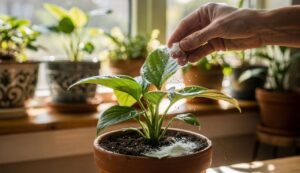

Brown leaves on houseplants often trigger immediate concerns about watering routines, yet horticulturists reveal that the true culprit frequently lies elsewhere. Whilst many plant owners instinctively reach for the watering can upon spotting discoloured foliage, experts suggest that dry air and environmental factors play surprisingly significant roles in this common problem. Understanding these alternative causes can transform plant care approaches and restore vitality to struggling greenery.
Understanding leaf browning: the basics
The physiological process behind discolouration
Leaf browning occurs when plant cells die or become damaged, typically starting at the extremities where vascular tissue delivers nutrients and moisture last. The tips and edges of leaves represent the final destination in a plant’s circulatory system, making them particularly vulnerable to various stressors. When conditions prevent adequate resource delivery, these areas manifest symptoms first, creating the characteristic brown appearance that concerns plant enthusiasts.
Why tips brown before other areas
The phenomenon of tip browning relates directly to plant anatomy. As water and nutrients travel through the xylem, they must reach the farthest points of each leaf. Any interruption in this flow affects these distant areas most severely, resulting in:
- Cellular dehydration at leaf margins
- Nutrient starvation in extremities
- Accumulation of salts at terminal points
- Reduced photosynthetic capacity in damaged tissues
This understanding provides crucial context for identifying the actual causes rather than simply addressing symptoms. Recognising these patterns helps determine whether issues stem from watering, air quality, or other environmental factors.
Main causes of brown leaves
Dry air as the primary culprit
Horticulturists identify low humidity as the most overlooked cause of brown leaf tips, particularly during winter months when central heating systems operate continuously. Indoor environments can drop to humidity levels as low as 20-30%, whilst most houseplants thrive at 50-60%. This disparity creates significant stress, especially for plants with narrow leaves such as Dracaenas and Cordylines, which possess limited surface area for moisture retention.
| Plant type | Ideal humidity | Typical indoor humidity |
|---|---|---|
| Tropical species | 60-80% | 20-30% |
| Temperate plants | 40-50% | 20-30% |
| Succulents | 30-40% | 20-30% |
Chlorine sensitivity in tap water
Municipal water supplies contain chlorine and chloramines for purification purposes, yet these chemicals prove highly detrimental to sensitive plant species. Regular exposure causes cellular damage that manifests as browning, particularly affecting plants native to rainforest environments accustomed to pure water sources. The accumulation of these substances in soil compounds the problem over time, creating persistent stress even when other conditions remain optimal.
Salt accumulation from fertilisers
Excessive fertilisation leads to salt build-up in growing media, drawing moisture away from roots through osmotic pressure. This process effectively dehydrates plants despite adequate watering, creating symptoms that mimic drought stress. The concentration of salts increases with each feeding, particularly when using synthetic fertilisers, eventually reaching toxic levels that damage root systems and prevent proper nutrient uptake.
Beyond these surprising factors, traditional watering concerns still merit attention for comprehensive plant health management.
Inappropriate watering issues
Overwatering versus underwatering
Whilst underwatering receives primary blame for brown leaves, overwatering frequently causes identical symptoms through different mechanisms. Waterlogged soil suffocates roots by displacing oxygen, leading to root rot that prevents moisture absorption. Paradoxically, plants suffering from overwatering display drought symptoms because damaged roots cannot function properly, regardless of soil moisture levels.
Irregular watering schedules
Inconsistent watering patterns create cyclical stress that weakens plants progressively. Alternating between drought and saturation prevents roots from establishing efficient moisture uptake systems, leaving leaf extremities vulnerable during dry periods. Establishing consistent routines based on soil moisture monitoring rather than calendar schedules proves essential for maintaining healthy foliage.
- Check soil moisture before watering rather than following fixed schedules
- Water thoroughly until drainage occurs, then allow appropriate drying
- Adjust frequency seasonally to match growth cycles
- Use moisture metres for accurate assessment in deeper pots
These watering considerations intersect closely with broader environmental conditions that influence plant health.
Environmental stress factors
Temperature extremes and fluctuations
Plants positioned near radiators, air conditioning vents, or draughty windows experience thermal stress that damages cellular structures. Rapid temperature changes prevent proper metabolic adjustment, causing tissue death that appears as browning. Winter conditions prove particularly challenging when cold window glass contrasts sharply with warm indoor air, creating microclimates that stress nearby plants.
Air circulation problems
Stagnant air contributes to multiple issues including fungal growth, pest infestations, and uneven moisture distribution across leaf surfaces. Conversely, excessive air movement from fans or ventilation systems accelerates transpiration beyond sustainable rates, leading to dehydration at leaf margins. Achieving balanced air circulation requires careful positioning away from direct airflow whilst maintaining general room ventilation.
Nutrient deficiencies
Specific nutrient shortages manifest as brown discolouration with distinctive patterns. Potassium deficiency causes browning along leaf edges, magnesium shortage creates interveinal browning, whilst nitrogen deficiency produces overall yellowing followed by browning. These symptoms often appear despite regular fertilisation when soil pH prevents nutrient availability or when plants outgrow their containers and exhaust available resources.
Light conditions represent another critical factor frequently overlooked when diagnosing brown leaf problems.
Inadequate light conditions
Excessive direct sunlight
Intense direct sunlight causes photodamage similar to sunburn in human skin, destroying chlorophyll and killing leaf cells. This typically affects plants suddenly moved from low-light to bright conditions without acclimatisation, or species naturally adapted to forest understoreys when placed in sunny windows. The resulting brown patches appear scorched and papery, distinctly different from moisture-related browning.
Insufficient light exposure
Inadequate lighting forces plants to shed older leaves to concentrate resources on new growth positioned closer to available light sources. This natural senescence process begins with yellowing followed by browning as the plant reabsorbs nutrients before leaf death. Whilst this represents normal plant behaviour, excessive leaf loss indicates critically insufficient light levels requiring immediate repositioning.
| Light level | Suitable plants | Common problems |
|---|---|---|
| Bright indirect | Most tropicals | Scorching if too direct |
| Medium indirect | Ferns, Pothos | Slow growth, leggy stems |
| Low light | Snake plants, ZZ plants | Leaf drop, browning |
Addressing these various causes requires targeted solutions tailored to specific circumstances.
Solutions and prevention
Increasing humidity levels
Combat dry air through multiple strategies including humidifiers, pebble trays filled with water beneath pots, or grouping plants together to create moisture microclimates. Misting provides temporary relief but proves ineffective for sustained humidity improvement. Regular monitoring with hygrometers ensures conditions remain within optimal ranges, particularly during heating seasons when humidity drops most dramatically.
Water quality improvements
Allow tap water to stand overnight before use, permitting chlorine to dissipate through evaporation. Alternatively, collect rainwater or use filtered water for sensitive species. Periodic soil flushing with distilled water removes accumulated salts, restoring proper root function and preventing further chlorine damage.
Environmental optimisation
Strategic plant placement away from heating sources, draughts, and extreme temperature zones prevents environmental stress. Regular rotation ensures even light exposure whilst monitoring prevents sudden condition changes. Consider these preventive measures:
- Position plants at least one metre from radiators and air vents
- Provide seasonal adjustments as daylight and heating patterns change
- Use sheer curtains to filter intense direct sunlight
- Maintain consistent temperatures between 18-24°C for most species
Fertilisation management
Reduce fertiliser application to half recommended strength during active growth, eliminating feeding during dormant periods. Choose balanced formulations appropriate for specific plant types, avoiding excessive nitrogen that promotes weak growth. Leach soil quarterly by watering thoroughly until excess drains freely, removing accumulated salts that contribute to browning.
Brown leaves signal various underlying issues requiring careful diagnosis rather than automatic watering adjustments. Horticulturists emphasise that dry air, chlorine sensitivity, and environmental stress frequently cause symptoms identical to drought stress, yet demand entirely different solutions. By examining humidity levels, water quality, temperature stability, and light conditions alongside watering practices, plant owners can identify true causes and implement effective remedies. Regular monitoring, consistent care routines, and environmental optimisation prevent most browning issues, maintaining vibrant healthy foliage throughout the year. Understanding these multifaceted factors transforms plant care from reactive problem-solving into proactive health maintenance.