


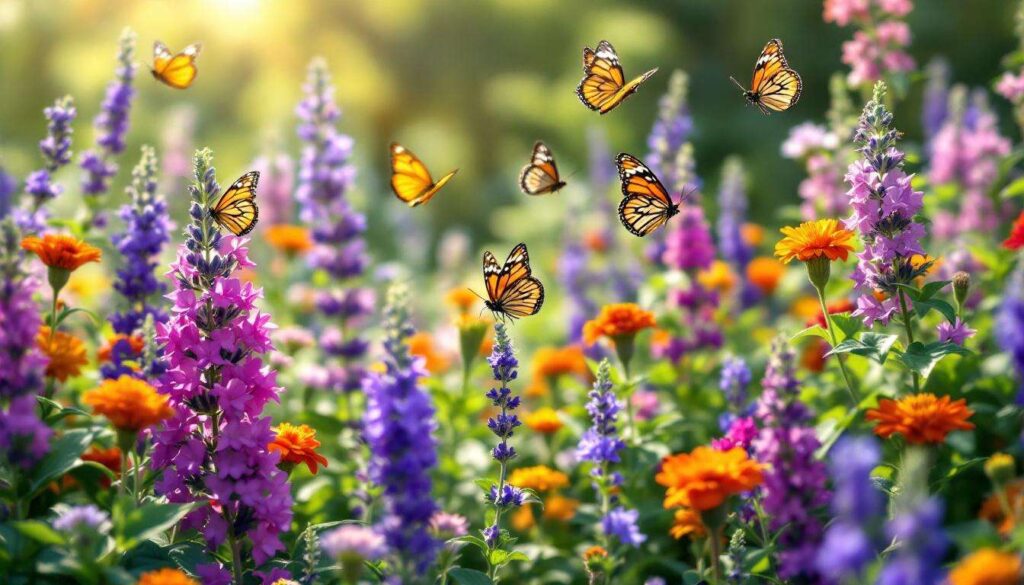
Gardens serve as vital sanctuaries for wildlife, and amongst the most enchanting visitors are butterflies. These delicate creatures not only add visual splendour to outdoor spaces but also play a crucial role in pollination. Creating a butterfly-friendly environment requires thoughtful plant selection, and fortunately, attracting these winged beauties can be surprisingly straightforward with the right approach. By understanding their needs and preferences, gardeners can transform ordinary plots into thriving habitats that support local ecosystems whilst enjoying the mesmerising dance of colourful wings throughout the warmer months.
Understanding the importance of butterflies in the garden
Butterflies represent far more than aesthetic appeal in garden ecosystems. These insects function as essential pollinators, transferring pollen between flowering plants and enabling reproduction across numerous species. Their contribution to biodiversity cannot be overstated, as they support the growth of fruits, vegetables, and wildflowers that sustain other wildlife.
The ecological role of butterflies
Beyond pollination, butterflies serve as biological indicators of environmental health. Their presence or absence reflects the quality of local habitats, air purity, and overall ecosystem balance. When butterfly populations thrive, it typically signals a healthy, well-functioning environment with adequate food sources and minimal pollution.
- Pollination services for native and cultivated plants
- Food source for birds, bats, and other predators
- Indicators of climate change and habitat degradation
- Contributors to genetic diversity in plant populations
Declining butterfly populations
Recent studies have documented alarming declines in butterfly numbers across the United Kingdom. Habitat loss, pesticide use, and climate fluctuations have all contributed to this troubling trend. Gardens, therefore, have become increasingly important as refuge spaces where these creatures can find nourishment and breeding grounds. By dedicating even small areas to butterfly-friendly planting, homeowners actively participate in conservation efforts.
With this understanding of their ecological significance established, attention naturally turns to the practical steps required to welcome these vital insects into garden spaces.
Choosing butterfly-friendly flowers
Selecting appropriate flora forms the foundation of any successful butterfly garden. Not all flowers appeal equally to these insects, as butterflies possess specific preferences regarding nectar accessibility, colour, and fragrance. Understanding these requirements enables gardeners to make informed choices that maximise visitation rates.
Characteristics of butterfly-attracting flowers
Butterflies favour blooms with certain distinct features. Flat or clustered flower heads provide ideal landing platforms, whilst tubular shapes accommodate their long proboscis for nectar extraction. Colour plays a significant role, with butterflies particularly drawn to purple, pink, yellow, orange, and red hues.
| Flower characteristic | Butterfly preference | Examples |
|---|---|---|
| Flower shape | Flat, clustered, or tubular | Verbena, buddleia, lavender |
| Colour | Purple, pink, yellow, orange, red | Echinacea, zinnia, marigold |
| Nectar production | High and accessible | Sedum, catmint, marjoram |
| Bloom period | Extended flowering season | Cosmos, salvia, aster |
Native versus non-native species
Whilst many non-native ornamentals attract butterflies, native wildflowers often provide superior nutritional value and support the complete lifecycle of indigenous species. Native plants have co-evolved with local butterfly populations, making them particularly effective choices. However, a balanced approach incorporating both native and carefully selected non-native species typically yields the best results.
Among the numerous options available, one particular plant stands out for its exceptional ability to attract and sustain butterfly populations.
The benefits of milkweed to attract butterflies
Milkweed represents the single most important plant for many butterfly species, particularly monarchs. This remarkable genus offers both nectar for adult butterflies and essential food for caterpillars, making it a comprehensive solution for butterfly gardening.
Why milkweed excels as a butterfly magnet
The relationship between milkweed and monarch butterflies exemplifies ecological interdependence. Monarch caterpillars feed exclusively on milkweed leaves, absorbing compounds that render them toxic to predators. Without milkweed, monarch reproduction cannot occur. Additionally, the abundant nectar produced by milkweed flowers attracts numerous other butterfly species, creating a diverse and active garden environment.
- Exclusive host plant for monarch butterfly larvae
- Rich nectar source for multiple butterfly species
- Relatively low maintenance once established
- Attractive flowers in pink, orange, or white
- Supports complete butterfly lifecycle from egg to adult
Varieties of milkweed for UK gardens
Several milkweed species adapt well to British climates. Asclepias tuberosa, commonly known as butterfly weed, produces vibrant orange blooms and tolerates various soil conditions. Asclepias incarnata, or swamp milkweed, thrives in moisture-retentive soils and offers pink flowers. For drier locations, Asclepias syriaca proves remarkably resilient, though it can spread vigorously and requires management.
Successfully incorporating milkweed or other butterfly-friendly plants requires consideration of placement and environmental conditions.
Planting in the right place to maximise attractiveness
Location significantly influences the success of butterfly gardening efforts. Butterflies seek specific microclimates and environmental features that provide shelter, warmth, and easy access to resources.
Sunlight and shelter requirements
Butterflies are cold-blooded creatures that require warmth to become active. Positioning plants in full sun locations ensures butterflies can bask and regulate body temperature effectively. However, some shelter from strong winds proves equally important, as excessive air movement makes feeding difficult and energy-intensive. Creating planting areas near walls, hedges, or fences provides natural windbreaks whilst maintaining sunny exposure.
Grouping plants for visual impact
Butterflies navigate primarily through vision, spotting flower clusters from considerable distances. Planting in generous drifts rather than isolated specimens increases visibility and attractiveness. Groups of at least five to seven plants of the same species create strong visual signals that draw butterflies from afar.
- Choose south-facing borders for maximum sun exposure
- Plant in blocks or drifts rather than single specimens
- Position taller plants at the back, shorter ones forward
- Ensure proximity to sheltered spots for roosting
- Include flat stones for basking opportunities
Once plants are established in optimal locations, ongoing care ensures they continue to provide valuable resources throughout the season.
Maintaining plants to ensure a healthy habitat
Appropriate maintenance practices support both plant health and butterfly welfare. Conventional gardening approaches sometimes conflict with butterfly conservation goals, necessitating adjustments to standard routines.
Avoiding harmful chemicals
Pesticides and herbicides pose serious threats to butterfly populations, affecting both adults and larvae. Even products marketed as selective can harm beneficial insects. Adopting organic gardening methods protects butterflies whilst managing pests through natural predators, companion planting, and manual removal techniques.
Deadheading and seasonal care
Regular deadheading encourages prolonged flowering, extending the nectar availability period. However, leaving some seed heads intact through autumn provides food for birds and overwintering sites for beneficial insects. Delaying cutting back perennials until late winter protects overwintering butterfly pupae that may be sheltering in plant stems.
| Maintenance task | Butterfly-friendly approach | Timing |
|---|---|---|
| Deadheading | Remove spent blooms regularly | Throughout flowering season |
| Cutting back | Leave stems standing over winter | Late winter/early spring |
| Pest control | Use organic methods only | As needed |
| Watering | Water during dry spells | Morning or evening |
These maintenance practices create conditions that support not only butterflies but also the broader web of garden life.
Observing and protecting your garden’s biodiversity
A thriving butterfly garden offers endless opportunities for observation and learning. Monitoring butterfly activity provides insights into ecosystem health whilst fostering deeper connections with nature.
Recording butterfly species
Keeping records of butterfly sightings contributes to citizen science initiatives that track population trends. Simple notebooks or smartphone applications enable gardeners to document species, numbers, and dates. This information, when shared with organisations like Butterfly Conservation, helps researchers understand distribution patterns and conservation needs.
Creating additional habitat features
Beyond flowering plants, butterflies benefit from supplementary habitat elements. Shallow dishes filled with sand and water provide essential minerals through a behaviour called puddling. Log piles, leaf litter, and unmown grass areas offer shelter and overwintering sites. These features collectively transform gardens into comprehensive ecosystems supporting complete butterfly lifecycles.
- Install puddling stations with damp sand or mud
- Leave areas of longer grass for egg-laying
- Provide hibernation boxes for overwintering species
- Plant host plants for caterpillars alongside nectar sources
- Avoid excessive tidiness that removes natural shelter
By implementing these diverse elements, gardens evolve into resilient habitats where butterflies and countless other species flourish. The rewards extend beyond butterfly numbers to encompass a richer, more balanced outdoor environment that benefits all who experience it.
Attracting butterflies requires minimal effort when gardeners focus on appropriate plant selection, particularly milkweed, and create welcoming conditions through thoughtful placement and maintenance. These beautiful insects respond readily to suitable habitats, transforming gardens into vibrant ecosystems. By prioritising butterfly-friendly practices, gardeners contribute meaningfully to conservation whilst enjoying the remarkable spectacle of these creatures thriving in their outdoor spaces. The simple act of planting the right flowers generates profound ecological benefits that ripple through local environments, supporting biodiversity and connecting people with the natural world in deeply rewarding ways.