



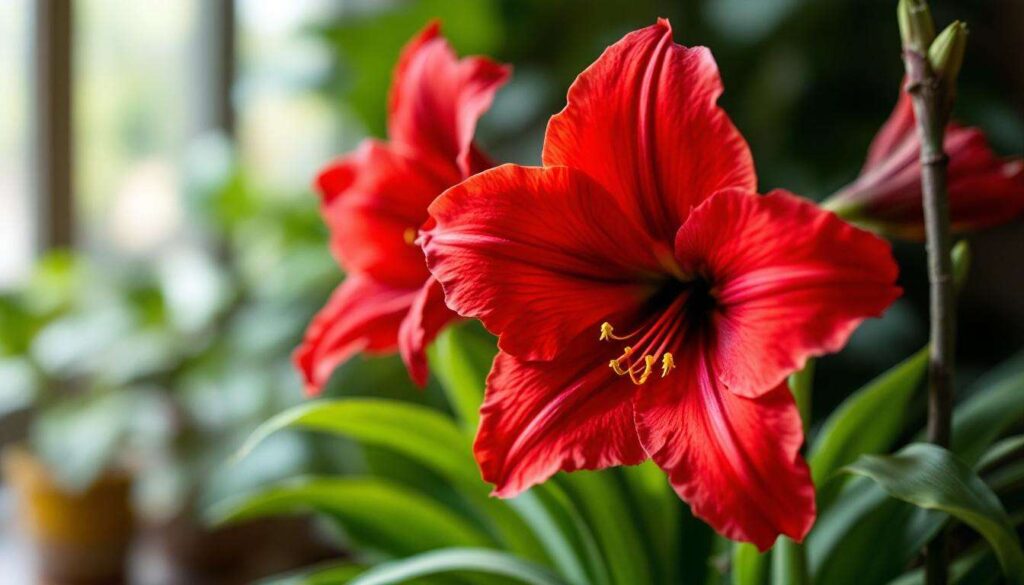
The amaryllis stands as one of the most spectacular flowering plants available to home gardeners, offering dramatic blooms that can transform any interior space during the darker months. With proper care and attention, these South American natives reward enthusiasts with magnificent trumpet-shaped flowers in shades ranging from pure white to deep crimson. Understanding the complete cycle from bulb selection through to repeat flowering ensures years of enjoyment from these remarkable plants.
Introduction to amaryllis: a plant of many colours
Origins and botanical characteristics
The amaryllis, scientifically known as Hippeastrum, originates from the tropical and subtropical regions of Central and South America. These bulbous perennials have captivated gardeners worldwide with their ability to produce stunning flowers on tall, sturdy stems that can reach heights of 45 to 60 centimetres. Each bulb typically produces one or two flower stalks, with each stalk bearing between two and six blooms depending on the variety and bulb size.
The spectrum of available varieties
Modern hybridisation has created an extensive palette of amaryllis colours and forms. Gardeners can choose from:
- Classic reds: deep scarlet varieties such as ‘Red Lion’ remain perennial favourites
- Pure whites: elegant options like ‘Christmas Gift’ offer pristine blooms
- Bicolours: striped and edged varieties including ‘Minerva’ with red and white patterns
- Salmon and pink tones: softer shades such as ‘Apple Blossom’
- Double-flowered forms: varieties with multiple petal layers for enhanced visual impact
The diversity of amaryllis varieties means there is a suitable option for every aesthetic preference, from traditional to contemporary interior schemes. This versatility extends beyond colour to flower size and form, setting the stage for selecting the perfect bulb for your circumstances.
Choosing the right bulb for vibrant flowers
Assessing bulb quality and size
The foundation of successful amaryllis cultivation begins with bulb selection. Larger bulbs generally produce more flower stems and blooms, making size a critical consideration. When examining potential purchases, look for bulbs measuring at least 28 to 30 centimetres in circumference for optimal flowering performance.
| Bulb circumference | Expected flower stems | Approximate bloom count |
|---|---|---|
| 24-26 cm | 1 stem | 2-3 flowers |
| 28-30 cm | 1-2 stems | 4-6 flowers |
| 32+ cm | 2-3 stems | 6-9 flowers |
Physical indicators of healthy bulbs
A quality amaryllis bulb should feel firm and heavy for its size, indicating good internal structure and stored nutrients. Avoid bulbs showing any of these warning signs:
- Soft spots or mushiness indicating rot
- Extensive mould growth beyond minor surface discolouration
- Cuts or deep wounds in the bulb tissue
- Dried-out appearance with papery, flaking outer layers
- Absence of basal plate or visible root initials
Some surface mould on the outer scales is normal and can be gently brushed away, but the underlying bulb should remain sound. Pre-planted bulbs in decorative containers offer convenience, though purchasing bare bulbs provides greater control over planting medium and pot selection. Understanding these quality markers naturally leads to considerations about creating the ideal growing environment.
Preparing the soil: tips for successful planting
Selecting the appropriate container
Container choice significantly influences amaryllis performance. The pot should be only slightly larger than the bulb itself, with approximately 2.5 to 5 centimetres of space around the bulb’s circumference. This seemingly tight fit serves several purposes: it provides stability for the tall flower stems, prevents overwatering issues associated with excess soil, and encourages flowering rather than excessive root growth.
Creating the ideal planting medium
Amaryllis bulbs require well-draining soil to prevent rot whilst providing adequate nutrition. A suitable mixture combines:
- Two parts quality potting compost
- One part perlite or coarse sand for drainage
- One part well-rotted compost or leaf mould for nutrients
Alternatively, commercial bulb compost formulated for container growing provides excellent results. Ensure the container has adequate drainage holes, as waterlogged conditions prove fatal to amaryllis bulbs.
The planting process
Position the bulb so that one-third to one-half remains above the soil surface. This exposed portion allows you to monitor the bulb’s condition and prevents water accumulating around the neck, which can cause rot. Firm the compost gently around the bulb, ensuring it sits securely upright. Water sparingly after planting, moistening the soil without saturating it. Place the pot in a warm location between 20 and 22 degrees Celsius to stimulate growth.
With the bulb properly situated in its new home, attention turns to the ongoing care that sustains growth and flowering.
The key steps of watering and maintenance
Watering during the growth phase
Initial watering requires restraint. After planting, water sparingly until the flower stem emerges and reaches approximately 10 centimetres in height. This approach prevents rot whilst the bulb establishes roots. Once active growth begins, gradually increase watering frequency, keeping the compost evenly moist but never waterlogged.
During flowering and leaf development, water when the top 2.5 centimetres of compost feels dry to the touch. Pour water around the bulb’s edge rather than directly onto it, allowing excess to drain completely. Reduce watering as flowers fade and cease entirely when foliage begins yellowing naturally.
Light and temperature requirements
Amaryllis plants thrive in bright, indirect light. Position containers near windows that receive good natural light without harsh direct sun, which can scorch developing buds. Rotate the pot regularly to encourage straight stem growth, as plants naturally lean towards light sources.
| Growth stage | Ideal temperature | Light requirements |
|---|---|---|
| Initial growth | 20-22°C | Bright indirect |
| Flowering | 16-18°C | Bright indirect |
| Foliage growth | 18-21°C | Bright to full sun |
Feeding for sustained health
Begin feeding once flowers open, using a balanced liquid fertiliser at half strength every two weeks. Continue this regime throughout the foliage growth period, switching to a high-potassium feed to encourage future flowering. This nutritional support proves essential for bulb regeneration and subsequent blooming cycles.
Whilst proper watering and feeding form the foundation of care, vigilance against potential threats ensures plants remain healthy and productive.
Protecting the amaryllis from pests and diseases
Common pest problems
Amaryllis plants face relatively few pest issues when grown indoors, though several insects may occasionally cause problems. Red spider mites can infest plants in warm, dry conditions, creating fine webbing on leaves and causing stippled discolouration. Increase humidity and apply appropriate miticides if infestations occur.
Mealybugs appear as white, cottony masses in leaf axils and on bulb scales. Remove these pests with cotton swabs dipped in methylated spirits, or use insecticidal soap for larger infestations. Regular inspection of plants, particularly in the crevices where leaves emerge, helps catch problems early.
Disease prevention and management
Fungal diseases pose the greatest threat to amaryllis health. Red blotch, caused by the fungus Stagonospora curtisii, creates distinctive red streaks and spots on leaves, stems, and bulb scales. This disfiguring condition spreads through water splash and contaminated tools.
Prevention strategies include:
- Purchasing disease-free bulbs from reputable suppliers
- Avoiding overhead watering that wets foliage
- Ensuring excellent air circulation around plants
- Removing affected tissue promptly with sterilised tools
- Applying fungicides containing copper or mancozeb when symptoms appear
Bulb rot typically results from overwatering or poorly draining compost. Affected bulbs become soft and malodorous, with rot progressing from the basal plate upwards. Prevention through proper watering practices and well-draining media proves far more effective than treatment, as severely rotted bulbs rarely recover.
Maintaining plant health through vigilant pest and disease management creates the conditions necessary for the most rewarding aspect of amaryllis cultivation: achieving repeated flowering.
The art of making your amaryllis bloom year after year
Post-flowering care and dormancy preparation
After flowers fade, remove the spent blooms but leave the flower stalk until it yellows and can be easily pulled away. The foliage phase that follows proves crucial for future flowering, as leaves manufacture and store energy in the bulb. Continue watering and feeding throughout this period, which typically lasts four to six months.
When foliage naturally yellows in late summer or early autumn, gradually reduce watering until leaves die back completely. Cut off dead foliage and move the pot to a cool, dark location between 10 and 13 degrees Celsius. This dormancy period should last eight to twelve weeks, during which the bulb receives no water and develops flower buds internally.
Initiating the next flowering cycle
To restart growth, remove the bulb from its pot and brush away loose compost. Inspect for signs of disease or damage, trimming any dead roots with clean scissors. Repot in fresh compost if the existing medium appears depleted, or simply top-dress with new compost if the bulb remains healthy.
Resume light watering and move the pot to a warm, bright location. Within two to eight weeks, new growth should emerge. The timing of dormancy initiation allows you to control flowering periods, making it possible to schedule blooms for specific occasions.
Long-term bulb maintenance
Amaryllis bulbs can flower reliably for many years with proper care. Every three to four years, divide offset bulbs that form around the mother bulb, potting them separately. These offsets take two to three years to reach flowering size but provide opportunities to expand your collection or share plants with fellow enthusiasts.
The amaryllis journey from dormant bulb to spectacular bloom requires attention to detail at each stage, but the rewards justify the effort. Selecting quality bulbs, providing appropriate growing conditions, maintaining vigilance against pests and diseases, and respecting the plant’s natural cycle all contribute to success. With proper care, these magnificent plants deliver reliable annual displays that brighten homes and lift spirits during the darkest months, whilst their straightforward requirements make them accessible to gardeners of all experience levels.