

Growing a tropical fruit tree from a simple seed salvaged from your kitchen counter might sound ambitious, yet papaya plants are surprisingly cooperative subjects for home cultivation. These fast-growing specimens can transform from tiny seeds into productive trees within months, offering gardeners an accessible entry point into tropical horticulture. With proper preparation and attention to a few critical factors, anyone can nurture a thriving papaya plant from store-bought fruit.
Choosing the Right Fruit to Harvest the Seeds
Selecting ripe papaya specimens
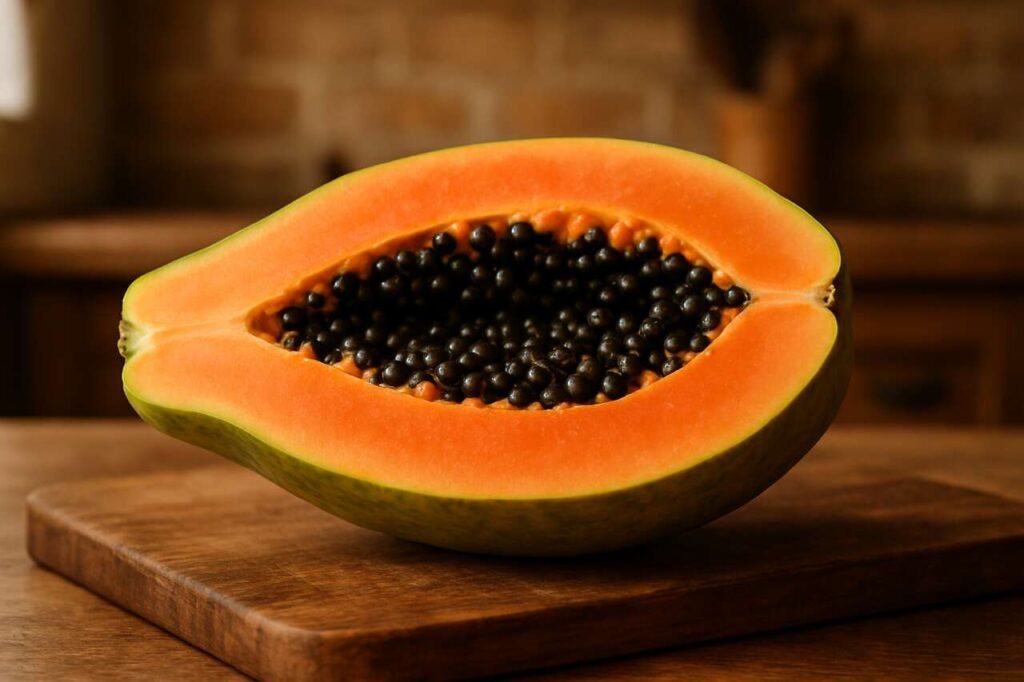
The foundation of successful papaya propagation begins with choosing fruit at the optimal stage of ripeness. A perfectly ripe papaya exhibits vibrant yellow or orange skin with minimal green patches, yields slightly to gentle pressure, and emits a sweet, tropical fragrance. Avoid fruits that appear overly soft or show signs of mould, as their seeds may lack viability. The papaya should be recently purchased rather than stored for extended periods, ensuring the seeds retain maximum germination potential.
Understanding seed viability factors
Not all papaya varieties perform equally well when grown from shop-purchased fruit. Consider these critical factors:
- Organic papayas often produce more reliable seeds than conventionally grown specimens
- Solo varieties and Hawaiian papayas typically demonstrate higher germination rates
- Fruits from local markets may contain seeds better adapted to regional climates
- Hybrid varieties sometimes produce sterile or unpredictable offspring
Seeds extracted from fully mature fruit possess the highest likelihood of successful germination. Immature seeds from underripe papayas rarely develop properly, whilst overripe specimens may harbour fungal contamination that compromises viability.
Once you’ve identified suitable fruit, the next crucial step involves properly preparing these seeds to maximise their germination potential.
Preparing Papaya Seeds for Germination
Extracting and cleaning the seeds
Slice the papaya lengthwise and scoop out the gelatinous seed mass into a bowl. Each fruit contains dozens to hundreds of seeds, providing ample material for multiple growing attempts. The seeds are encased in a sarcotesta coating that inhibits germination and must be thoroughly removed. Rub the seeds vigorously between your fingers under running water, or place them in a fine-mesh sieve and work the coating away with your thumb.
Drying and storing techniques
After cleaning, spread the seeds on paper towels or newspaper in a single layer. Allow them to air-dry in a warm, well-ventilated location away from direct sunlight for approximately two to three days. The seeds should feel dry to the touch but retain a slight flexibility. Completely desiccated seeds may lose viability, whilst insufficiently dried seeds risk fungal growth.
| Storage method | Viability duration | Best conditions |
|---|---|---|
| Immediate planting | Highest success rate | Fresh, cleaned seeds |
| Short-term storage | 2-3 weeks | Paper envelope, cool location |
| Long-term storage | Up to 6 months | Sealed container, refrigerated |
For optimal results, plant seeds within one week of extraction. Extended storage gradually diminishes germination rates, though properly preserved seeds can remain viable for several months.
With cleaned and prepared seeds ready, attention turns to creating the ideal conditions for sprouting.
Effective Methods to Germinate Seeds
The paper towel germination technique
This popular method allows close monitoring of seed development. Dampen several sheets of paper towel until moist but not waterlogged, then arrange seeds with adequate spacing between each specimen. Fold the towel over the seeds, place inside a plastic bag or sealed container, and position in a warm location maintaining temperatures between 21-27°C. Check daily for moisture levels and germination progress. Most viable seeds produce radicles within seven to fourteen days.
Direct soil sowing approach
Alternatively, plant seeds directly into small pots filled with well-draining potting mixture. Create a growing medium using:
- Two parts quality potting compost
- One part perlite or coarse sand
- One part coconut coir for moisture retention
Plant seeds approximately 1.5 centimetres deep, water gently, and cover pots with transparent plastic to maintain humidity. Position containers in a warm, bright location away from direct sunlight. Remove the plastic covering once seedlings emerge, typically within two to three weeks.
Optimising germination conditions
Temperature proves critical for successful germination. Papaya seeds require consistent warmth and struggle in environments below 18°C. Consider using heating mats or positioning containers atop refrigerators where gentle warmth accelerates sprouting. Maintain consistent moisture without waterlogging, as excessive dampness encourages fungal diseases whilst insufficient water causes seed desiccation.
Once seedlings establish themselves with several true leaves, they require relocation to support continued development.
Transplanting and Caring for the Young Papaya Plant
Determining transplant readiness
Young papaya plants signal readiness for transplanting when they develop three to four true leaves beyond the initial cotyledons and reach approximately 15-20 centimetres in height. This typically occurs four to six weeks after germination. Handle seedlings carefully during this vulnerable stage, as their delicate root systems damage easily.
Selecting the ideal growing location
Papayas thrive in full sunlight and require protection from strong winds that can damage their hollow stems. Choose a location offering:
- Minimum six hours of direct sunlight daily
- Well-draining soil to prevent root rot
- Shelter from frost and cold draughts
- Adequate space for mature height of 3-5 metres
In cooler climates, consider container cultivation that allows moving plants indoors during winter months. Select pots with drainage holes and minimum 40-litre capacity for mature specimens.
Establishing proper care routines
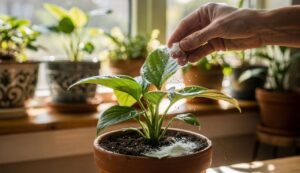
Water young plants regularly, maintaining consistently moist but not saturated soil. Papayas possess shallow root systems that dry quickly yet suffer in waterlogged conditions. Apply a balanced, slow-release fertiliser monthly during active growing periods, reducing frequency during cooler months. Monitor for common pests including aphids and spider mites, addressing infestations promptly with appropriate organic treatments.
Beyond basic care requirements, specific strategies can significantly enhance growth rates and overall plant vigour.
Tips to Encourage Fast and Healthy Growth
Nutritional requirements for optimal development
Papaya plants are heavy feeders demanding regular nutrient supplementation. Apply fertiliser with balanced nitrogen, phosphorus, and potassium ratios every fortnight during peak growing seasons. Supplement with organic matter such as well-rotted compost or aged manure, working it gently into the soil surface around the root zone. Magnesium deficiency commonly affects papayas, manifesting as yellowing between leaf veins; address this with Epsom salt applications.
Pruning and training techniques
Unlike many fruit trees, papayas require minimal pruning. Remove only damaged, diseased, or dead leaves to maintain plant health and appearance. Some gardeners selectively thin multiple seedlings to encourage single-trunk development, though this remains optional based on aesthetic preferences and space constraints.
Managing environmental conditions
Temperature management proves crucial for sustained growth. Papayas flourish in warm conditions and cease development when temperatures drop below 15°C. In marginal climates, employ these strategies:
- Position plants against south-facing walls that radiate stored heat
- Apply thick organic mulch to insulate root systems
- Use horticultural fleece during unexpected cold snaps
- Maintain container plants indoors during winter months
Consistent moisture levels accelerate growth rates significantly. Install drip irrigation systems or establish regular watering schedules that deliver deep, thorough soakings rather than frequent shallow applications. Adequate hydration combined with proper nutrition can produce flowering specimens within six to nine months under ideal conditions.
Successfully cultivating papaya plants from supermarket fruit demonstrates that tropical gardening need not remain exclusive to warm climates or experienced horticulturists. By selecting quality fruit, properly preparing seeds, providing optimal germination conditions, and maintaining consistent care routines, gardeners can enjoy the satisfaction of nurturing these productive plants from seed to harvest. The journey from kitchen scrap to flourishing tree offers valuable lessons in plant biology whilst potentially yielding delicious homegrown fruit within the first year of cultivation.