



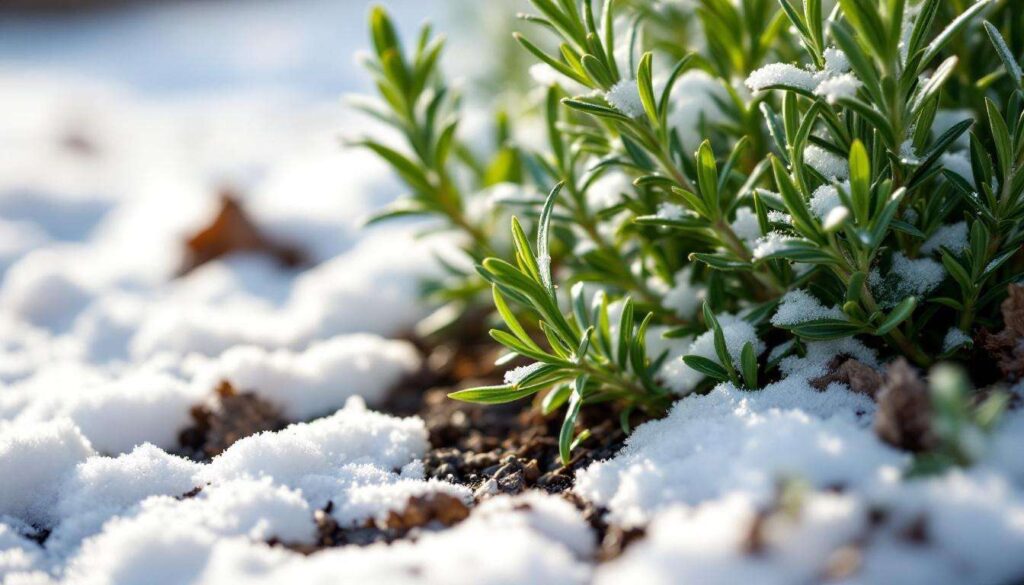
Rosemary, with its aromatic needle-like leaves and Mediterranean origins, presents particular challenges when temperatures drop. This hardy herb thrives in warm, sunny climates but requires specific care to survive winter months, especially in regions experiencing frost and reduced daylight. Understanding the plant’s seasonal needs and implementing protective measures can mean the difference between a thriving herb garden come spring and disappointing losses. Whether grown in containers or garden beds, rosemary demands attention to several critical factors during the coldest months.
Understanding rosemary’s light needs in winter
The importance of adequate sunlight exposure
Rosemary requires at least six hours of direct sunlight daily, even during winter. This Mediterranean native has evolved in sun-drenched environments and maintains this requirement throughout the year. When daylight hours diminish, positioning becomes crucial for plant health. Indoor rosemary specimens need placement near south-facing windows where they can capture maximum available light. Without sufficient illumination, the plant weakens, becomes leggy, and loses its characteristic vigour.
Supplementing natural light indoors
When natural sunlight proves insufficient, artificial lighting solutions become necessary. Grow lights offer an effective alternative for maintaining healthy rosemary through darker months:
- LED grow lights provide full-spectrum illumination whilst consuming minimal energy
- Fluorescent tubes positioned 15-30 centimetres above the plant deliver adequate light intensity
- Timing devices ensure consistent 12-14 hour light cycles
- Light meters help monitor whether illumination levels meet the plant’s requirements
The relationship between light and temperature also affects rosemary’s winter survival, leading naturally to considerations about moisture management.
Adjusting watering according to the cold season
Reduced water requirements during dormancy
Winter brings dramatically reduced watering needs for rosemary. The plant’s growth slows considerably, and cooler temperatures mean slower evaporation rates. Overwatering during this period causes root rot, the primary killer of rosemary in winter. The soil should dry out between waterings, with the top 5 centimetres feeling completely dry before adding moisture. Testing soil moisture with a finger or moisture metre prevents the common mistake of maintaining summer watering schedules.
Recognising signs of water stress
Both underwatering and overwatering manifest through distinct symptoms. Proper observation helps maintain the delicate balance:
| Condition | Symptoms | Solution |
|---|---|---|
| Underwatered | Brittle, dry leaves; brown tips | Increase watering frequency slightly |
| Overwatered | Yellowing leaves; soft, mushy stems | Reduce watering; improve drainage |
| Properly watered | Firm, green foliage; steady growth | Maintain current schedule |
Once watering patterns are established, attention must turn to protecting the plant from winter’s harshest element.
Protecting rosemary from freezing temperatures
Understanding frost tolerance levels
Rosemary exhibits moderate cold hardiness, typically surviving temperatures down to -10°C to -12°C, though this varies by cultivar. Prostrate varieties generally show greater cold tolerance than upright types. However, prolonged exposure to freezing conditions, particularly when accompanied by wet soil, proves fatal. Young plants possess less resilience than established specimens, requiring extra protection during their first winters.
Bringing container plants indoors
Container-grown rosemary benefits from indoor relocation when temperatures consistently drop below freezing. The process requires careful planning:
- Gradually acclimate plants by moving them to sheltered outdoor areas before bringing them fully indoors
- Inspect thoroughly for pests before entry to prevent indoor infestations
- Select cool indoor locations (10-15°C) rather than heated rooms
- Maintain air circulation to prevent fungal diseases
- Keep plants away from heating vents and radiators
These protective measures work in conjunction with strategic placement decisions that further enhance survival rates.
Choosing the right location for wintering
Outdoor positioning strategies
Garden-planted rosemary benefits from strategic location selection that offers natural protection. South-facing walls absorb daytime heat and radiate warmth during cold nights, creating microclimates several degrees warmer than surrounding areas. Positioning plants near structures also provides wind protection, reducing moisture loss and cold damage. Avoid low-lying areas where cold air settles and frost lingers longest.
Creating optimal indoor environments
Indoor wintering locations must balance multiple environmental factors. Unheated porches, conservatories, and garages with windows often provide ideal conditions. These spaces offer protection from severe cold whilst maintaining the cooler temperatures rosemary prefers during dormancy. Humidity levels should remain moderate; excessive moisture combined with poor air circulation encourages fungal problems. Regular ventilation on milder days helps maintain plant health.
Beyond location, physical protection methods offer additional safeguards against winter’s challenges.
Using natural warming protection methods
Mulching techniques for ground protection
Applying protective mulch layers around rosemary plants insulates roots from temperature fluctuations. A 7-10 centimetre layer of organic material provides effective protection:
- Straw offers excellent insulation whilst allowing air circulation
- Pine needles complement rosemary’s preference for slightly acidic conditions
- Wood chips provide long-lasting protection
- Avoid piling mulch against stems to prevent rot
Implementing temporary structures
Physical barriers create protective microclimates during severe cold snaps. Horticultural fleece draped over plants traps heat whilst allowing light penetration and air exchange. Cold frames constructed around rosemary specimens offer substantial protection, particularly when combined with mulching. Cloches fashioned from plastic bottles provide emergency protection for smaller plants. These structures should be removed during milder periods to prevent overheating and excessive humidity build-up.
With winter protection established, preparing for the growing season ensures vigorous spring growth.
Preparing rosemary for the return of spring
Gradual reacclimatisation outdoors
Indoor rosemary requires careful transitioning back to outdoor conditions. Rushing this process causes shock and setback. Begin by placing plants outdoors during mild days for increasing periods, initially in shaded locations before gradually introducing full sun. Monitor weather forecasts carefully, bringing plants inside if late frosts threaten. This hardening-off process typically spans two to three weeks.
Pruning and maintenance tasks
Spring presents the optimal time for rejuvenation pruning. Remove any frost-damaged or dead wood, cutting back to healthy green growth. Light pruning encourages bushier growth and prevents legginess. Inspect plants thoroughly for overwintering pests, treating any infestations promptly. Repot container specimens if roots have filled their pots, using well-draining compost. Resume regular feeding schedules once active growth resumes, typically when temperatures consistently exceed 15°C.
Successfully overwintering rosemary requires attention to multiple interconnected factors throughout the cold months. Adequate lighting maintains plant vigour, whilst adjusted watering prevents root problems. Protection from freezing temperatures, whether through indoor relocation or outdoor sheltering, proves essential for survival. Strategic positioning and natural warming methods create favourable microclimates that buffer against winter’s harshest conditions. Careful spring preparation ensures plants emerge from dormancy ready for vigorous growth. By implementing these practices, gardeners can maintain healthy rosemary specimens year after year, ensuring a continuous supply of this valuable culinary and ornamental herb regardless of winter’s severity.