



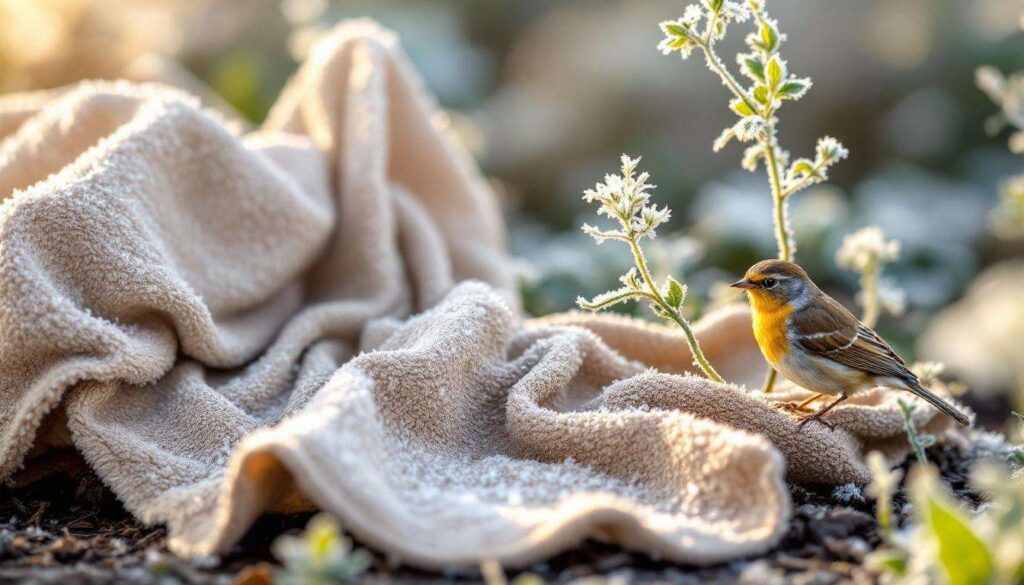
Old towels gathering dust in cupboards can serve a far more meaningful purpose than simply being discarded. As temperatures plummet and wildlife faces harsh winter conditions, these seemingly useless household items can become lifesaving tools for local fauna. From hedgehogs seeking warm hibernation spots to birds struggling to find unfrozen water sources, repurposing old towels offers a practical and sustainable way to support vulnerable creatures during their most challenging season.
Reusing old towels to protect winter wildlife
Understanding the environmental benefits
Repurposing old towels for wildlife protection addresses two pressing concerns simultaneously: textile waste reduction and wildlife conservation. The UK alone generates approximately 350,000 tonnes of textile waste annually, with household linens comprising a significant portion. By redirecting these materials towards wildlife support, individuals contribute to a circular economy whilst providing essential resources for animals struggling through winter months.
Selecting appropriate towels for wildlife use
Not all towels are equally suitable for wildlife protection purposes. When choosing towels to repurpose, consider the following criteria:
- natural fibre composition, particularly cotton, which provides better insulation and breathability
- absence of synthetic materials that may not decompose naturally or could harm animals
- clean condition without chemical residues from harsh detergents or fabric softeners
- sufficient thickness to provide adequate insulation against freezing temperatures
Cotton towels remain the most environmentally responsible choice, as they break down naturally over time and pose minimal risk to wildlife. Avoid towels with metallic threads, decorative elements, or synthetic blends that could present ingestion hazards or fail to provide adequate warmth.
Understanding these fundamental principles sets the foundation for implementing specific wildlife protection strategies throughout your garden.
Creating warm shelters for hedgehogs
Building an insulated hedgehog house
Hedgehogs face significant mortality risks during winter hibernation, with inadequate shelter being a primary contributing factor. Old towels can transform a basic hedgehog house into a thermally efficient hibernation chamber. Begin by lining the interior walls with folded towels, creating multiple layers that trap warm air. The entrance tunnel should also receive towel insulation, preventing cold draughts from penetrating the main chamber.
Layering techniques for maximum warmth
Effective insulation requires strategic layering. Place one towel as a base layer on the floor, ensuring hedgehogs have a soft, warm surface away from frozen ground. Add crumpled towel sections in corners and against walls, creating pockets of trapped air that enhance thermal retention. The roof area benefits from a final towel layer, preventing heat loss through the structure’s highest point.
| Location | Towel quantity | Purpose |
|---|---|---|
| Floor base | 1-2 towels | Ground insulation and comfort |
| Wall lining | 2-3 towels | Draught prevention |
| Roof area | 1 towel | Heat retention |
| Entrance tunnel | 1 towel | Cold air barrier |
Maintenance and safety considerations
Regular inspection ensures towels remain dry and functional. Damp towels lose insulating properties and can actually lower internal temperatures, creating dangerous conditions for hibernating hedgehogs. Check shelters monthly, replacing any moisture-affected materials immediately. Position hedgehog houses in sheltered locations beneath dense shrubs or against walls, where natural protection complements towel insulation.
Beyond hedgehogs, other garden inhabitants also require protection from winter’s severity, particularly those residing in containers.
Protecting potted plant roots
Wrapping containers for frost protection
Potted plants face unique winter challenges, as exposed containers allow freezing temperatures to penetrate root systems from all directions. Old towels provide an excellent insulation barrier when wrapped around pots. Secure towels with natural twine or plant ties, ensuring complete coverage from soil level to the container base. This method proves particularly effective for ceramic and terracotta pots, which conduct cold more readily than plastic alternatives.
Creating protective root zones
For larger container arrangements, create insulated zones by surrounding multiple pots with towel barriers. This technique establishes a microclimate where grouped plants benefit from collective heat retention. Layer towels between pots, filling gaps that would otherwise allow cold air circulation. The resulting structure protects not only plant roots but also provides shelter for beneficial insects seeking winter refuge.
Benefits for wildlife habitats
Protected container plants maintain healthier root systems that support early spring growth, providing crucial nectar sources for emerging pollinators. Additionally, the towel-wrapped structures create hiding spots for:
- ladybirds seeking overwintering sites
- ground beetles requiring frost-free environments
- spiders that control pest populations
- small mammals searching for insulated resting places
These protected zones naturally connect with purpose-built insect accommodations that benefit from similar insulation strategies.
Enhancing bug hotel insulation
Improving existing bug hotel structures
Bug hotels provide essential overwintering habitats for beneficial insects, but many designs lack adequate insulation. Old towels dramatically improve thermal performance when strategically incorporated into these structures. Wrap the exterior with towel layers, paying particular attention to rear and side panels where cold winds typically penetrate. The front opening should remain accessible, allowing insects entry whilst towel insulation protects surrounding areas.
Internal compartment enhancement
Within bug hotels, small towel strips can line individual chambers, creating warmer microclimates for different insect species. Cut towels into narrow strips and tuck them behind bamboo tubes or around hollow stems. This modification particularly benefits solitary bees, which seal themselves into tubes for winter dormancy. The additional insulation helps maintain stable temperatures, reducing mortality rates amongst hibernating populations.
Positioning for optimal protection
Location significantly impacts bug hotel effectiveness. Position insulated structures facing south or southeast, where morning sun provides natural warmth. Elevate hotels at least 30 centimetres above ground level, preventing moisture absorption from soil. The towel wrapping should extend slightly beyond the hotel’s base, creating an overhang that diverts rain away from lower chambers.
| Insect type | Preferred chamber | Towel application |
|---|---|---|
| Solitary bees | Hollow tubes | Strip lining |
| Ladybirds | Loose bark sections | Backing insulation |
| Lacewings | Straw-filled areas | External wrapping |
Whilst insects find shelter in purpose-built accommodations, birds require different considerations, particularly regarding their water access during freezing conditions.
Preventing bird baths from freezing
Insulation methods for water features
Birds depend on liquid water for drinking and bathing, even during severe winter weather. Frozen bird baths force birds to expend precious energy seeking alternative water sources. Wrapping bird bath pedestals with old towels provides substantial insulation, slowing the freezing process considerably. Secure towels firmly to withstand wind, ensuring coverage extends from the ground to just below the water basin.
Creating thermal barriers
For ground-level bird baths, create an insulated platform by placing folded towels beneath the structure. This thermal barrier prevents ground frost from conducting upwards into the water container. Combine this approach with towel wrapping around the basin’s exterior for maximum effectiveness. In particularly harsh conditions, place a floating object such as a small ball in the water; this disrupts ice formation and provides an indicator of freezing conditions.
Supplementary warming techniques
Enhance towel insulation effectiveness through complementary strategies:
- position bird baths in sunny locations where natural warmth delays freezing
- add warm water twice daily during extreme cold spells
- use dark-coloured towels that absorb solar radiation more efficiently
- create windbreaks with additional towel screens on exposed sides
Regular monitoring ensures water remains accessible. Break ice formations gently if they occur, avoiding chemicals or salt that could harm birds. Fresh water provision becomes increasingly critical as natural sources freeze, making these protective measures essential for supporting local bird populations.
Beyond individual wildlife protection efforts, old towels can serve broader conservation purposes through organised charitable initiatives.
Making an eco-friendly gesture with towel donations
Wildlife rescue organisations
Animal rescue centres constantly require soft materials for injured wildlife care. Old towels serve multiple purposes in these facilities, from bedding for recovering animals to wrapping materials for safe transport. Contact local wildlife rehabilitation centres to inquire about their specific needs. Many organisations maintain wish lists that include towels of particular sizes or materials suited to different species.
Community wildlife initiatives
Neighbourhood conservation groups frequently organise collective wildlife support projects. Donating old towels to these initiatives ensures materials reach gardens and green spaces where they provide maximum benefit. Community gardens, nature reserves, and school wildlife projects all welcome towel donations for various protective applications throughout winter months.
Preparing towels for donation
Before donating, ensure towels meet basic standards:
- wash thoroughly without fabric softeners or strong fragrances
- check for and remove any loose threads or damaged sections
- cut larger towels into manageable sizes if requested
- fold neatly for efficient storage and distribution
Even heavily worn towels retain value for wildlife purposes, as their thinned texture often proves ideal for wrapping delicate creatures or lining small spaces. Organisations typically accept towels in any condition, provided they remain clean and free from contaminants.
Repurposing old towels for winter wildlife protection represents a simple yet impactful conservation action. These versatile materials provide insulation for hedgehog shelters, protect plant roots that support ecosystems, enhance bug hotel effectiveness, prevent bird bath freezing, and serve charitable organisations supporting injured animals. Each application contributes to wildlife survival whilst reducing textile waste, demonstrating how household items can fulfil meaningful environmental roles. By implementing these strategies, individuals create tangible benefits for local fauna whilst embracing sustainable practices that extend beyond winter months into year-round conservation consciousness.