

Sweet peas rank among the most cherished flowers for their delicate blooms and enchanting fragrance. Sowing these climbing beauties during the coldest month of the year requires careful planning and specific techniques to ensure robust plants that will reward gardeners with abundant flowers from late spring onwards. The practice of January sowing offers several advantages, including stronger root systems and earlier flowering periods, making it a preferred method for experienced horticulturists seeking optimal results.
Understanding the needs of sweet peas in January
Sweet peas possess remarkable cold tolerance that distinguishes them from many other flowering plants. Their ability to germinate in cooler temperatures makes January an ideal sowing period, particularly for gardeners aiming to establish vigorous plants before the growing season intensifies.
Temperature requirements for optimal germination
The germination process for sweet peas functions most effectively within a specific temperature range. These hardy annuals require soil temperatures between 10°C and 15°C to initiate successful sprouting. Unlike tender plants that demand warmth, sweet peas actually benefit from the cooler conditions prevalent during winter months. Exposing seeds to cold temperatures triggers natural mechanisms that enhance germination rates and produce sturdier seedlings.
Light conditions during winter sowing
January’s limited daylight presents challenges that require thoughtful solutions. Sweet pea seedlings need adequate illumination to develop properly, yet natural light remains scarce during this period. Gardeners should consider the following strategies:
- Position seed trays on south-facing windowsills to maximise available sunlight
- Utilise supplementary grow lights for 12-14 hours daily if natural light proves insufficient
- Rotate containers regularly to ensure even light distribution across all seedlings
- Avoid placing seeds in excessively warm locations that might cause premature, weak growth
These environmental considerations establish the foundation for successful cultivation, leading naturally to the practical preparations necessary before sowing commences.
Preparing the soil and materials for sowing
Proper preparation of growing media and containers significantly influences germination success rates and subsequent plant development. Quality materials create the optimal environment for seeds to establish healthy root systems.
Selecting appropriate containers
Container choice affects both germination rates and transplanting ease. Deep containers measuring at least 7-10 centimetres in depth accommodate sweet peas’ extensive root systems. Root trainers, long tubes, or deep modules prove particularly effective as they encourage downward root growth rather than circular patterns that can restrict development. Biodegradable pots offer the advantage of minimising root disturbance during transplanting.
Creating the ideal growing medium
Sweet peas thrive in well-draining, nutrient-rich compost that retains adequate moisture without becoming waterlogged. A mixture combining multipurpose compost with added horticultural grit or perlite creates excellent drainage whilst maintaining sufficient moisture retention. The following table illustrates recommended compost compositions:
| Component | Proportion | Purpose |
|---|---|---|
| Multipurpose compost | 70% | Provides nutrients and moisture retention |
| Horticultural grit | 20% | Enhances drainage and prevents compaction |
| Vermiculite | 10% | Improves aeration and water distribution |
With materials assembled and containers filled, attention turns to the specific practices that transform seeds into thriving seedlings.
Essential practices for successful germination
Several preparatory steps significantly improve germination rates and produce stronger seedlings capable of withstanding transplanting and eventual outdoor conditions.
Pre-sowing seed treatment methods
Sweet pea seeds possess hard outer coats that can impede water absorption and delay germination. Scarification, the process of carefully nicking or filing the seed coat, allows moisture to penetrate more readily. Gardeners should identify the pale hilum (the point where the seed attached to the pod) and scratch the opposite side using a nail file or sharp blade. Alternatively, soaking seeds overnight in room-temperature water softens the coating naturally, though this method proves less reliable for particularly tough-coated varieties.
Sowing depth and spacing considerations
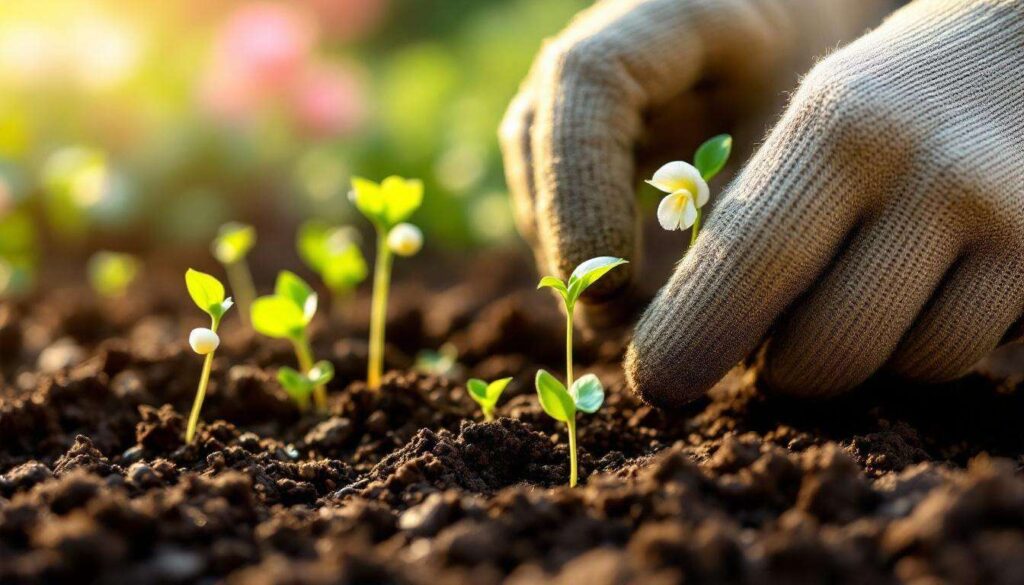
Proper planting depth ensures seeds receive adequate coverage whilst remaining accessible to emerging shoots. Sweet pea seeds should be sown approximately 2.5 centimetres deep in individual containers or spaced 5 centimetres apart in larger trays. This depth provides sufficient protection from temperature fluctuations whilst preventing seeds from drying out. Placing one or two seeds per container maximises space efficiency and reduces competition during early growth stages.
Watering protocols for newly sown seeds
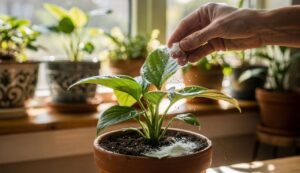
Maintaining consistent moisture levels without oversaturation requires careful attention. Initial watering should thoroughly moisten the compost before sowing, allowing excess water to drain completely. Following sowing, a light misting keeps the surface damp without displacing seeds. Subsequent watering should occur only when the top layer of compost begins to dry, using a fine rose attachment to prevent washing seeds from their positions.
These germination practices establish robust seedlings, but gardeners in colder regions must implement additional protective measures to ensure success.
Sowing techniques suited for cold climates
Gardeners facing particularly harsh winter conditions require modified approaches that protect vulnerable seeds and seedlings from damaging temperatures whilst maintaining the cool conditions sweet peas prefer.
Protected environment options
Several structures provide suitable protection for January-sown sweet peas:
- Unheated greenhouses offer shelter from wind and excessive moisture whilst maintaining cooler temperatures that prevent leggy growth
- Cold frames create microclimates that moderate temperature extremes and can be opened during milder days for ventilation
- Cloches or mini polytunnels provide individual or small-group protection for containers placed outdoors
- Windowsill propagation suits gardeners without outdoor structures, though careful temperature monitoring prevents overheating
Frost protection strategies
Even with protective structures, unexpected severe frosts can damage emerging seedlings. Horticultural fleece draped over containers provides additional insulation during particularly cold nights. Bubble wrap wrapped around container sides insulates roots from freezing temperatures. Monitoring weather forecasts allows gardeners to implement temporary measures before temperature drops, ensuring seedlings remain protected throughout vulnerable early stages.
Once germination occurs and seedlings emerge, ongoing care becomes paramount to maintaining healthy development through the remaining winter weeks.
Caring for young plants until spring
The period between germination and spring planting demands consistent attention to environmental conditions, watering schedules, and plant development to produce sturdy specimens ready for outdoor life.
Pinching and training techniques
When seedlings reach approximately 10 centimetres in height, pinching out the growing tip encourages branching and creates bushier plants with multiple flowering stems. This practice, though seemingly counterintuitive, stimulates lateral shoot development that ultimately produces more abundant blooms. Supporting young plants with small canes or twigs prevents them from becoming tangled and establishes climbing habits early.
Ventilation and hardening off preparation
Gradually acclimatising plants to outdoor conditions prevents transplant shock and strengthens stems. Beginning several weeks before final planting, increase ventilation in protected structures during mild days. Progressively extend exposure periods, initially for just an hour or two, eventually leaving plants outside during daylight hours whilst bringing them under cover overnight. This hardening off process toughens plant tissues and prepares them for permanent outdoor positioning.
Monitoring for early pest and disease issues
Young sweet peas occasionally attract attention from various pests despite cold conditions. Regular inspection identifies problems before they escalate:
- Aphids may colonise tender growing tips even in protected environments
- Damping off disease affects overcrowded or overwatered seedlings, causing collapse at soil level
- Mice find sweet pea seeds particularly appealing and may excavate newly sown containers
Addressing these challenges maintains plant health and vigour, ensuring specimens reach their full potential as flowering time approaches.
Anticipating flowering and care requirements
Understanding the timeline from January sowing to eventual flowering helps gardeners plan support structures and ongoing maintenance that maximises bloom production throughout the season.
Expected flowering timeline
Sweet peas sown during January typically commence flowering from late spring onwards, often several weeks earlier than spring-sown counterparts. This extended flowering period provides blooms from May through September when plants receive appropriate care. The exact timing varies according to variety selection, with some cultivars bred specifically for earlier flowering whilst others prioritise fragrance or colour range.
Support structure planning
Mature sweet peas require substantial support systems to accommodate their climbing habit and prevent tangling. Planning and installing structures before plants outgrow temporary supports ensures smooth development. Options include traditional bamboo cane wigwams, purpose-built metal obelisks, or horizontal netting stretched between posts. Structures should reach at least 1.8 to 2 metres in height to accommodate vigorous varieties.
Ongoing maintenance for prolonged flowering
Regular deadheading proves essential for maintaining continuous bloom production. Removing faded flowers before seed pods develop redirects plant energy towards producing new blooms rather than seed formation. Weekly picking of flowers for indoor arrangements serves the dual purpose of providing beautiful cut flowers whilst encouraging further flowering. Adequate watering during dry periods and occasional liquid feeding support sustained bloom production throughout summer months.
January sowing of sweet peas rewards patient gardeners with robust plants that establish strong root systems during cooler months, resulting in earlier and more abundant flowering. Success depends upon understanding these plants’ preference for cool germination conditions, providing appropriate protection from severe weather, and implementing careful nurturing practices throughout winter. The techniques outlined, from seed preparation through to flowering management, create the framework for cultivating these beloved climbers that fill gardens with colour and fragrance throughout the growing season.