


Damp patches on walls, condensation on windows, and that musty smell lingering in corners have long plagued homeowners across the country. Whilst mechanical dehumidifiers offer a solution, they consume energy and require regular maintenance. Seeking a more sustainable approach, I turned to nature’s own moisture regulators: houseplants. After introducing three carefully selected species into my living space, the transformation proved both remarkable and measurable.
Effects of dampness on your interior
Structural damage and deterioration
Excessive moisture within domestic environments creates significant structural concerns that extend beyond mere aesthetics. Persistent dampness weakens plaster, causes paint to peel, and encourages timber rot in window frames and skirting boards. The financial implications can be substantial, with repair costs escalating rapidly when problems remain unaddressed.
Health implications for occupants
The presence of elevated humidity levels directly impacts respiratory health. Medical research consistently demonstrates links between damp conditions and:
- Increased asthma symptoms and attacks
- Respiratory infections, particularly in children and elderly individuals
- Allergic reactions to mould spores and dust mites
- Chronic coughing and wheezing
Vulnerable populations, including those with existing respiratory conditions, face particularly acute risks in moisture-laden environments.
Mould growth and spore proliferation
Damp conditions provide ideal breeding grounds for various mould species. These fungi release spores that circulate through indoor air, settling on surfaces and potentially causing black or green discolouration. Beyond visual unpleasantness, certain moulds produce mycotoxins that pose serious health hazards.
Understanding these consequences made finding an effective solution imperative, leading me to explore botanical alternatives.
Plants as a natural solution
How plants absorb atmospheric moisture
Plants naturally regulate humidity through transpiration and absorption. Whilst most people associate plants with releasing moisture, certain species actually extract water vapour from surrounding air through their leaves. This process occurs continuously, creating a natural dehumidifying effect that operates without electricity or mechanical intervention.
Additional benefits beyond moisture control
Incorporating plants into interior spaces delivers multiple advantages:
- Air purification by filtering toxins and pollutants
- Oxygen production during photosynthesis
- Psychological benefits including stress reduction
- Enhanced aesthetic appeal and biophilic design
- Natural fragrance in some species
Scientific evidence supporting plant-based humidity control
Research conducted by horticultural institutions confirms that specific plant varieties demonstrate measurable moisture absorption capabilities. Studies have documented humidity reductions of up to 10 per cent in rooms containing appropriate species, particularly when plants are positioned strategically and maintained properly.
Armed with this knowledge, I began researching which specific plants would prove most effective for my situation.
Selection of humidity-reducing plant species
Peace lily characteristics
The peace lily (Spathiphyllum) ranks among the most efficient moisture-absorbing houseplants. This species thrives in low to moderate light conditions, making it suitable for bathrooms and north-facing rooms where dampness often concentrates. Its glossy leaves actively draw moisture from the air whilst requiring minimal care.
Boston fern properties
Boston ferns excel at moisture absorption, with their extensive foliage creating substantial surface area for transpiration. These plants prefer humid environments, effectively creating a beneficial cycle: they absorb excess moisture whilst thriving in conditions that would damage other species.
English ivy advantages
English ivy demonstrates remarkable adaptability and vigorous growth. This trailing plant not only reduces humidity but also filters airborne mould spores, addressing multiple dampness-related concerns simultaneously. Its versatility allows placement in hanging baskets or as climbing specimens.
Comparison of effectiveness
| Plant species | Moisture absorption | Light requirements | Maintenance level |
|---|---|---|---|
| Peace lily | High | Low to moderate | Low |
| Boston fern | Very high | Moderate | Moderate |
| English ivy | Moderate to high | Low to bright | Low |
After evaluating these options, I selected one specimen of each species to maximise coverage and effectiveness.
My experience with indoor plants
Initial placement strategy
I positioned the peace lily in my bathroom, where condensation from showers created persistent dampness. The Boston fern found its home in the bedroom, notorious for morning condensation on windows. The English ivy occupied a corner of the living room where a cold external wall generated moisture problems.
First impressions and adaptation period
The initial fortnight required careful observation. Each plant needed time to acclimatise to its new environment. I monitored soil moisture, adjusted watering schedules, and noted any signs of stress such as yellowing leaves or wilting. The peace lily adapted most rapidly, whilst the Boston fern required slightly more attention to maintain optimal hydration levels.
Maintenance routine established
Within three weeks, I had developed a sustainable care routine:
- Weekly inspection of soil moisture levels
- Bi-weekly misting for the Boston fern
- Monthly leaf cleaning to maintain absorption efficiency
- Quarterly fertilisation during growing seasons
This manageable schedule proved far less demanding than anticipated, requiring approximately fifteen minutes weekly.
With the plants established and thriving, measurable changes began to emerge.
Results observed after adding plants
Quantifiable humidity reductions
Using a digital hygrometer, I documented humidity levels before and after introducing the plants. The bathroom showed the most dramatic improvement, with relative humidity dropping from 78 per cent to 65 per cent within six weeks. The bedroom demonstrated a reduction from 72 per cent to 64 per cent, whilst the living room decreased from 68 per cent to 62 per cent.
Visual improvements to interior surfaces
Condensation on windows diminished noticeably. Previously, I wiped bathroom mirrors daily; this became necessary only occasionally. The musty odour that pervaded certain rooms dissipated entirely. Most significantly, small mould patches that had begun forming in bathroom corners ceased expanding and gradually faded.
Subjective comfort enhancements
Beyond measurable data, the overall atmosphere improved substantially. Rooms felt fresher, and the presence of living greenery created a more inviting environment. Visitors commented on the pleasant ambience, unaware of the plants’ functional purpose.
Maintaining these benefits requires ongoing attention to plant care and environmental conditions.
Tips for maintaining humidity-reducing plants
Watering guidelines
Paradoxically, plants that absorb atmospheric moisture still require soil watering. Check soil moisture by inserting a finger approximately two centimetres deep; water when it feels dry. Peace lilies visibly droop when thirsty, providing clear signals. Boston ferns prefer consistently moist (not waterlogged) soil, whilst English ivy tolerates slight drying between waterings.
Optimal positioning considerations
Place plants in areas with greatest moisture concentration, typically:
- Bathrooms near showers or baths
- Kitchens adjacent to sinks or dishwashers
- Bedrooms with poor ventilation
- Basements or ground-floor rooms prone to rising damp
Leaf maintenance for maximum efficiency
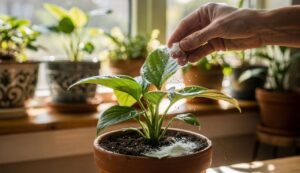
Dust accumulation blocks pores, reducing moisture absorption capacity. Wipe leaves monthly using a damp cloth, supporting each leaf from beneath to prevent damage. For ferns with delicate fronds, gentle misting helps remove dust whilst providing beneficial humidity.
Seasonal adjustments
Winter heating systems reduce indoor humidity, potentially stressing moisture-loving plants. Increase misting frequency and monitor soil moisture more closely during colder months. Conversely, summer humidity may require reduced watering to prevent root rot.
Combining botanical solutions with proper ventilation and heating management creates the most comprehensive approach to controlling indoor dampness. The three plants I introduced have fundamentally altered my home environment, proving that nature offers elegant solutions to modern domestic challenges. Measurable humidity reductions, improved air quality, and enhanced aesthetics demonstrate that strategic plant selection delivers tangible benefits. This accessible, sustainable method requires minimal investment yet provides ongoing returns, transforming problematic damp spaces into healthier, more pleasant living areas.