



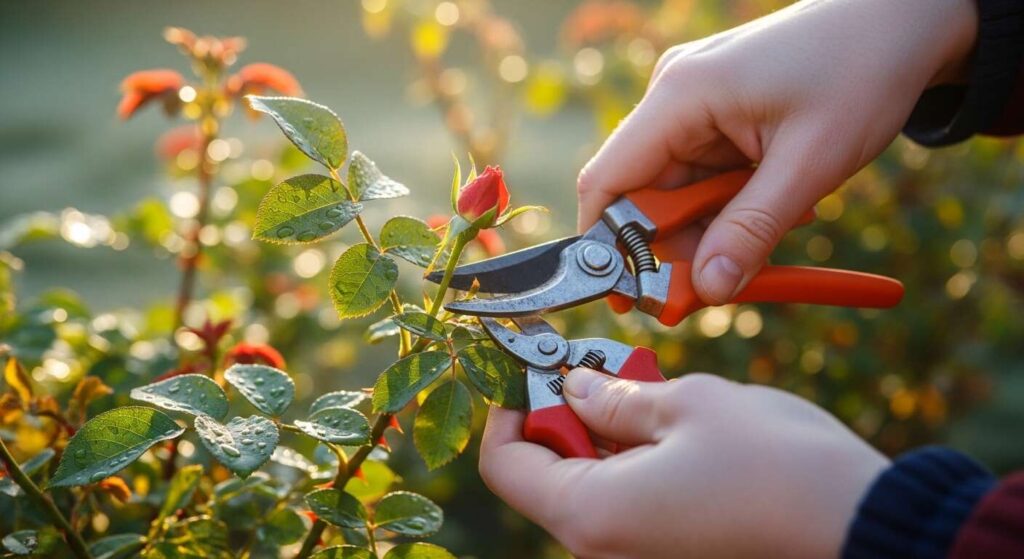
As the chill of winter begins to ease and the garden lies dormant, many gardeners might assume there is little to be done outdoors. However, this period represents a crucial window for pruning specific plants, particularly during the month of January. Pruning at this time not only helps maintain the structural integrity of your plants but also sets the stage for vigorous growth and abundant blooms when warmer weather arrives. Understanding which plants require attention now and how to approach the task properly can make the difference between a mediocre garden and one that thrives throughout the summer months.
The importance of winter pruning
Winter pruning serves several essential purposes that contribute to the overall health and productivity of your garden. When plants enter their dormant phase, they redirect energy away from foliage and flowers towards their root systems. This dormancy creates an ideal opportunity for pruning because the plants experience less stress from the cutting process.
Why dormancy matters
During dormancy, sap flow slows considerably, which means that pruning wounds heal more efficiently and the risk of disease transmission decreases significantly. The absence of leaves also provides better visibility of the plant’s structure, allowing gardeners to identify dead, damaged, or crossing branches more easily. This clarity enables more precise cuts that enhance the plant’s natural shape whilst removing problematic growth patterns.
Disease prevention through winter cuts
Many fungal diseases and pests remain inactive during the colder months, making winter pruning a strategic defence mechanism. By removing diseased or pest-infested branches whilst these threats are dormant, gardeners can prevent problems from spreading when spring arrives. The cold temperatures also help sanitise pruning wounds naturally, reducing the likelihood of infection.
Understanding these fundamental principles helps explain why January pruning is not merely a gardening chore but a vital investment in your garden’s future vitality.
The benefits of pruning in January
January offers specific advantages that make it particularly suitable for pruning activities. The timing allows gardeners to work comfortably before the spring rush whilst providing plants with maximum recovery time before the growing season begins.
Optimal timing for plant recovery
Pruning in January gives plants several weeks to heal before new growth emerges. This recovery period allows the plant to seal wounds and redirect energy towards producing strong, healthy shoots. The cuts made now will be barely noticeable by the time spring arrives, as new growth quickly covers the pruned areas.
Encouraging productive growth
Strategic January pruning stimulates the production of vigorous new shoots that bear more flowers and fruit. By removing old, unproductive wood, gardeners encourage plants to focus their resources on developing fresh growth that will deliver the best results. This is particularly important for fruit-bearing plants and flowering shrubs that bloom on new wood.
| Benefit | Impact on summer garden |
|---|---|
| Improved air circulation | Reduces fungal diseases by 60-70% |
| Enhanced light penetration | Increases flower production by 30-40% |
| Removal of dead wood | Redirects energy to productive growth |
| Shape maintenance | Creates aesthetically pleasing structure |
These benefits demonstrate why dedicating time to pruning now pays dividends throughout the warmer months ahead.
Plants to prune before the end of winter
Not all plants require winter pruning, but certain species specifically benefit from attention during January. Knowing which plants to focus on ensures you invest your efforts where they will have the greatest impact.
Fruit trees and bushes
Several fruit-bearing plants respond exceptionally well to January pruning:
- Apple and pear trees: remove crossing branches and create an open centre for better fruit production
- Gooseberries and redcurrants: cut back old wood to encourage fresh, fruit-bearing stems
- Blackcurrants: remove up to one-third of the oldest stems at ground level
- Autumn-fruiting raspberries: cut all canes down to ground level for vigorous summer growth
Ornamental shrubs and climbers
Many decorative plants benefit from winter pruning to maintain their shape and flowering potential:
- Wisteria: shorten summer growth to two or three buds for spectacular spring blooms
- Climbing roses: remove dead wood and tie in new growth for abundant flowers
- Buddleia: cut back hard to encourage strong new stems that produce large flower spikes
- Hardy fuchsias: prune to within 15cm of ground level to promote bushy growth
- Dogwood and willow: coppice for vibrant stem colour throughout next winter
- Hydrangea paniculata: reduce stems by half for larger flower heads
- Late-flowering clematis: cut back to strong buds about 30cm from ground level
- Ornamental grasses: remove old foliage before new growth emerges
This selection represents the core plants that truly require January attention, though your specific garden may include additional candidates depending on your planting scheme.
Practical tips for effective pruning
Successful pruning requires more than simply knowing which plants to cut; the technique and tools you employ significantly affect the results.
Essential equipment
Investing in quality pruning tools makes the task easier and produces cleaner cuts that heal more quickly:
- Sharp secateurs for stems up to 1.5cm diameter
- Loppers for branches between 1.5cm and 4cm
- Pruning saw for larger branches
- Garden disinfectant to clean blades between plants
- Protective gloves and safety glasses
Proper cutting techniques
The way you make cuts influences how quickly wounds heal and whether disease enters the plant. Always cut just above an outward-facing bud at a slight angle, which allows water to run off rather than pooling on the cut surface. Make clean cuts in a single motion rather than sawing back and forth, which creates ragged edges that struggle to heal.
The three Ds principle
When approaching any plant, begin by removing branches that are dead, diseased, or damaged. This fundamental principle applies to virtually all pruning situations and immediately improves plant health. After addressing these issues, step back to assess the overall shape before making additional cuts to improve structure or reduce size.
With these techniques mastered, gardeners can confidently tackle their pruning tasks, though certain pitfalls still require attention.
Errors to avoid during winter pruning
Even experienced gardeners occasionally make mistakes that can compromise plant health or reduce flowering potential. Being aware of common errors helps you avoid them.
Over-enthusiastic cutting
Removing too much growth in one session can shock the plant and reduce its vigour. As a general rule, avoid removing more than one-third of a plant’s total growth in a single year unless you are deliberately renovating an overgrown specimen. Gradual pruning over several years produces better results for most plants.
Pruning spring-flowering shrubs
One of the most common mistakes involves pruning plants that flower on old wood, such as forsythia, lilac, and spring-flowering clematis. These plants should be pruned immediately after flowering rather than in winter, as January pruning removes the buds that would produce spring blooms.
Neglecting tool maintenance
Using blunt or dirty tools creates problems that undermine your pruning efforts. Blunt blades crush rather than cut cleanly, creating wounds that heal slowly and provide entry points for disease. Similarly, failing to disinfect tools between plants can spread pathogens throughout your garden.
Avoiding these errors ensures your pruning efforts support rather than hinder your garden’s development as the season progresses.
Preparing your garden for a flourishing summer
January pruning forms just one component of comprehensive garden preparation, but it represents a foundational activity that influences many subsequent tasks. Once pruning is complete, the garden is better positioned to benefit from fertilisation, mulching, and other spring preparations.
Follow-up care after pruning
After completing your pruning tasks, clear away all cut material to prevent disease and pest problems. Consider chipping larger branches for mulch or adding disease-free material to your compost heap. Apply a layer of well-rotted compost around pruned plants to provide nutrients that support new growth.
Planning for the season ahead
With pruning complete, you gain a clearer view of your garden’s structure and can identify gaps where new plants might be added or areas that require attention. This clarity helps inform purchasing decisions and planting plans for spring, ensuring your garden develops according to your vision rather than by accident.
The effort invested in January pruning creates a framework that supports healthy, productive plants throughout the growing season. By removing problematic growth, encouraging strong new shoots, and maintaining good plant structure, gardeners establish the conditions necessary for abundant flowers, bountiful harvests, and a visually appealing outdoor space. The relatively small time commitment required during these winter weeks delivers returns that extend far beyond the immediate task, transforming a potentially overwhelming spring workload into a manageable progression of seasonal activities. Gardens that receive proper winter attention consistently outperform those that are neglected, demonstrating that success in gardening often depends on actions taken when plants appear least active.