

Garden enthusiasts are constantly seeking fresh inspiration to reinvigorate their outdoor spaces, and the horticultural world never fails to deliver surprises. As experts predict emerging trends for the coming seasons, one particular bloom has captured the imagination of designers and plant lovers alike. This unassuming yet captivating flower promises to transform border plantings with its distinctive appeal and remarkable versatility. Prepare to discover a botanical gem that challenges conventional choices whilst offering exceptional aesthetic rewards.
The floral surprise of 2026: what is it ?
The unexpected star making waves in garden design circles is Salvia nemorosa, commonly known as woodland sage or Balkan clary. Whilst not entirely unknown to seasoned gardeners, this perennial powerhouse has undergone a remarkable renaissance, earning its place as the must-have plant for contemporary borders.
Understanding the botanical identity
Salvia nemorosa belongs to the extensive Lamiaceae family, which includes numerous aromatic herbs. Native to central Europe and western Asia, this hardy perennial has evolved to thrive in diverse conditions. The plant typically reaches heights between 45 and 60 centimetres, producing upright flower spikes that create vertical interest throughout the growing season.
What distinguishes this particular salvia from its relatives is its exceptional resilience and prolonged flowering period. Unlike fleeting bloomers, woodland sage delivers colour from late spring through early autumn, making it an invaluable asset for gardeners seeking continuous visual impact.
The rise to prominence
Several factors have contributed to Salvia nemorosa’s elevation to ‘it’ flower status:
- Climate adaptability responding to increasingly unpredictable weather patterns
- Low maintenance requirements appealing to time-conscious gardeners
- Wildlife-friendly characteristics supporting biodiversity initiatives
- Architectural form complementing contemporary design aesthetics
- Exceptional drought tolerance addressing water conservation concerns
Leading garden designers have championed this plant’s versatility, incorporating it into high-profile show gardens and prestigious landscaping projects. This visibility has sparked widespread interest amongst amateur gardeners eager to replicate professional results. The flower’s unexpected ascent demonstrates how horticultural trends can elevate overlooked species into mainstream favourites.
The unique characteristics of this flower
Salvia nemorosa possesses distinctive attributes that set it apart from conventional border selections. Its structural elegance combined with practical benefits creates a compelling proposition for diverse planting schemes.
Visual appeal and colour palette
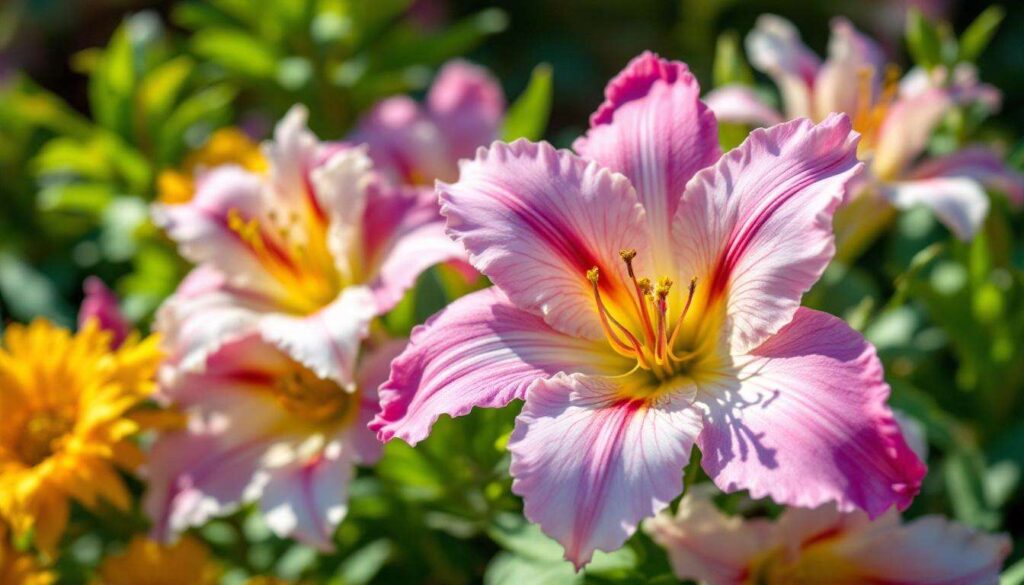
The flower spikes emerge in captivating shades ranging from deep violet-blue to rich purple, with some cultivars offering pink or white variations. The tubular blooms are densely packed along sturdy stems, creating substantial visual presence without overwhelming companion plants. Even after flowering, the persistent calyces retain colour, extending the decorative period considerably.
| Cultivar | Colour | Height (cm) | Flowering period |
|---|---|---|---|
| Caradonna | Deep violet-blue | 50-60 | May-September |
| Amethyst | Rose-pink | 45-55 | June-August |
| Schneehügel | Pure white | 40-50 | May-July |
| Ostfriesland | Violet-purple | 45-50 | June-September |
Textural contribution
Beyond colour, Salvia nemorosa offers valuable textural contrast. The aromatic foliage forms neat clumps of wrinkled, lance-shaped leaves that provide structure even before flowering commences. This architectural quality ensures the plant contributes meaningfully to border composition throughout the entire growing season, rather than simply during peak bloom.
Ecological benefits
The flower’s appeal extends beyond aesthetics. Pollinators, particularly bees and butterflies, find the nectar-rich blooms irresistible. By incorporating Salvia nemorosa into borders, gardeners actively support declining pollinator populations whilst enjoying enhanced garden biodiversity. This ecological dimension resonates strongly with environmentally conscious plant enthusiasts. These practical advantages naturally lead to considerations about why this particular species has captured gardeners’ imaginations so comprehensively.
Why this flower appeals to gardeners
The enthusiasm surrounding Salvia nemorosa stems from multiple compelling factors that address contemporary gardening priorities and aesthetic preferences.
Practical advantages
Modern gardeners increasingly value plants that deliver results without demanding excessive maintenance. Woodland sage excels in this regard, requiring minimal intervention once established. The species demonstrates remarkable drought tolerance after its first season, reducing irrigation needs significantly. Pest and disease resistance further diminishes the requirement for chemical treatments, aligning with organic gardening principles.
The plant’s longevity also contributes to its appeal. Unlike short-lived perennials requiring frequent replacement, Salvia nemorosa can thrive for numerous years with basic care. This durability represents excellent value for gardeners working within budget constraints whilst building sustainable planting schemes.
Design versatility
Salvia nemorosa adapts seamlessly to various garden styles:
- Cottage gardens benefit from its informal charm and pollinator appeal
- Contemporary schemes utilise its architectural form for structured repetition
- Prairie-style plantings incorporate it within naturalistic drifts
- Mediterranean gardens appreciate its drought tolerance and aromatic foliage
- Wildlife gardens maximise its ecological contributions
Seasonal performance
Unlike many perennials offering brief flowering windows, this salvia provides extended interest. Deadheading spent blooms encourages repeat flowering, potentially delivering colour from late spring until autumn frosts. This prolonged performance addresses a common gardening challenge: maintaining visual interest throughout the growing season without relying on successive plantings.
Understanding these appealing qualities naturally prompts questions about practical implementation within existing garden schemes.
Tips for integrating this flower into your borders
Successfully incorporating Salvia nemorosa requires thoughtful planning to maximise its ornamental impact whilst ensuring optimal growing conditions.
Site selection and preparation
Woodland sage performs best in full sun positions with well-drained soil. Whilst tolerant of various soil types, it particularly thrives in neutral to slightly alkaline conditions. Heavy clay soils benefit from amendment with horticultural grit to improve drainage, preventing winter waterlogging that can compromise plant health.
When preparing planting sites, incorporate organic matter to boost soil structure without creating excessively rich conditions. Overly fertile soil can produce lush foliage at the expense of flowering, so moderate nutrition yields superior results.
Planting combinations
Salvia nemorosa functions brilliantly as both a feature plant and supporting player. Consider these proven combinations:
- Pair with ornamental grasses such as Stipa tenuissima for textural contrast
- Combine with yellow-flowered Achillea for complementary colour schemes
- Plant alongside silver-leaved Artemisia to enhance foliage interest
- Group with roses for classic cottage garden appeal
- Integrate with Echinacea to extend pollinator support
Spacing and arrangement
Plant specimens approximately 40-45 centimetres apart to allow adequate air circulation whilst achieving visual cohesion as plants mature. For maximum impact, arrange in groups of three or five rather than single specimens. Odd-numbered groupings create more natural, visually pleasing arrangements than even numbers.
| Border depth | Recommended position | Quantity per square metre |
|---|---|---|
| Shallow (60-90cm) | Front to middle | 5-7 plants |
| Medium (90-150cm) | Middle section | 5-7 plants |
| Deep (150cm+) | Front to middle thirds | 5-7 plants |
These practical considerations connect directly to broader design movements influencing contemporary garden aesthetics.
Garden design trends: drawing inspiration from the star flower
Salvia nemorosa’s popularity reflects and reinforces several significant trends reshaping garden design philosophy and practice.
Naturalistic planting movements
The species aligns perfectly with naturalistic design principles championed by influential designers. Its informal growth habit and wildlife appeal support schemes that prioritise ecological function alongside aesthetic considerations. This approach emphasises creating self-sustaining plant communities that evolve naturally over time, reducing maintenance demands whilst enhancing biodiversity.
Climate-responsive gardening
As weather patterns become increasingly unpredictable, gardeners seek resilient species capable of withstanding environmental stress. Salvia nemorosa’s drought tolerance and temperature adaptability make it exemplary for climate-responsive planting. This practical consideration has elevated previously overlooked species into essential components of forward-thinking garden schemes.
Vertical layering strategies
Contemporary design increasingly emphasises vertical structure to maximise visual interest within limited space. The upright flower spikes of woodland sage provide valuable height variation without requiring extensive horizontal space. This characteristic proves particularly valuable in urban gardens where efficient space utilisation remains paramount.
Colour theory applications
The predominant purple-blue tones of Salvia nemorosa offer designers versatile colour palette options:
- Create harmonious schemes by combining with pinks and mauves
- Develop contrasting effects using complementary yellows and oranges
- Establish cooling compositions with whites and silvers
- Build sophisticated monochromatic plantings using varied purple shades
Understanding these design principles provides essential context for successful cultivation practices.
Growing the flower of 2026: tips for assured success
Achieving optimal results with Salvia nemorosa requires attention to specific cultural requirements whilst capitalising on the species’ inherent resilience.
Planting timing and techniques
Spring planting allows specimens to establish root systems before summer heat, though autumn planting proves equally successful in milder regions. When planting, position the crown at soil level, avoiding burial that can encourage rot. Water thoroughly after planting, then maintain moderate moisture until establishment occurs, typically within six to eight weeks.
Ongoing maintenance requirements
Minimal maintenance ensures continued performance:
- Deadhead spent flower spikes to encourage repeat blooming
- Cut back to basal foliage in late autumn or early spring
- Apply light mulch annually to suppress weeds and retain moisture
- Divide congested clumps every three to four years to maintain vigour
- Avoid excessive fertilisation which promotes foliage over flowers
Troubleshooting common issues
Whilst generally problem-free, occasional challenges may arise. Poor flowering typically indicates insufficient sunlight or overly rich soil. Weak, floppy growth suggests inadequate light or excessive nitrogen. Yellowing foliage may signal poor drainage requiring soil amendment. Addressing these issues promptly restores plant health and ornamental value.
Propagation opportunities
Gardeners can easily increase stock through division or cuttings. Spring division of established clumps provides the simplest propagation method. Alternatively, take softwood cuttings in early summer, rooting them in well-drained compost for planting out the following season. This economical approach allows gardeners to expand plantings without additional expense.
Salvia nemorosa represents a remarkable convergence of aesthetic appeal, practical benefits, and ecological value. Its unexpected rise to prominence demonstrates how horticultural trends can elevate overlooked species into essential garden components. The flower’s versatility across diverse design styles, combined with minimal maintenance requirements and extended seasonal interest, explains its widespread adoption. Whether incorporated into naturalistic prairie schemes or formal contemporary borders, woodland sage delivers consistent performance whilst supporting vital pollinator populations. Success with this remarkable perennial requires attention to basic cultural needs: full sun, well-drained soil, and occasional deadheading. These modest demands yield substantial rewards, making Salvia nemorosa an intelligent choice for gardeners seeking maximum impact with minimum effort. As climate challenges intensify and ecological awareness grows, resilient species like this salvia will increasingly define successful garden design.