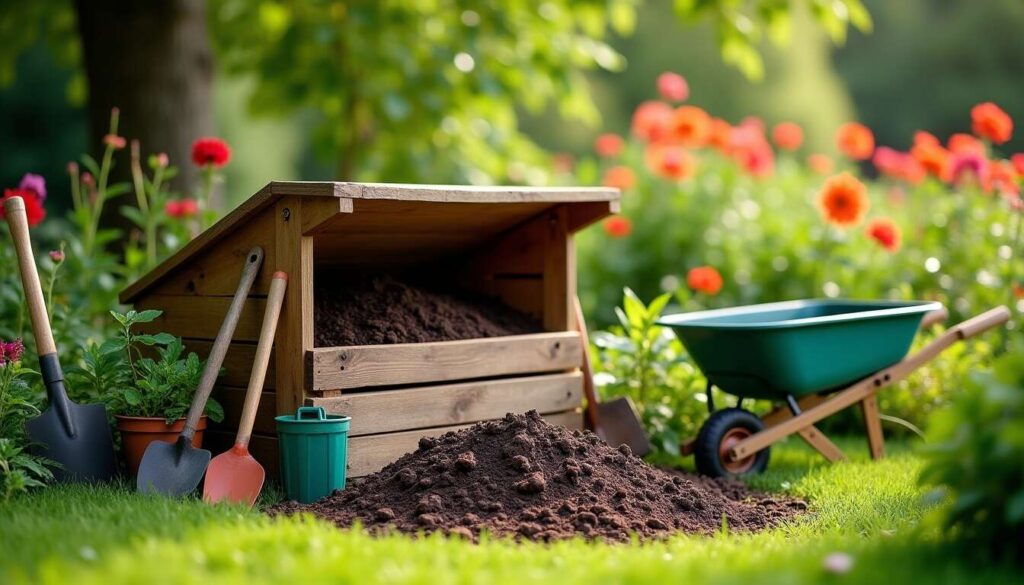
Composting has become an essential practice for environmentally conscious gardeners seeking to reduce household waste whilst enriching their soil naturally. This age-old technique transforms organic matter into valuable nutrients that plants thrive upon. Yet despite its apparent simplicity, successful composting requires careful attention to what enters the bin. Certain materials can disrupt the decomposition process, attract unwanted pests, or introduce harmful substances into your garden ecosystem. Understanding which items to exclude ensures your compost remains healthy, effective, and safe for use throughout your growing spaces.
Meat and dairy products
Why animal-based foods cause problems
Meat and dairy products represent some of the most problematic additions to any compost heap. These items decompose at vastly different rates compared to plant-based materials, creating an imbalanced environment within the bin. The breakdown process releases particularly pungent odours that can permeate your garden and neighbouring properties, making outdoor spaces decidedly unpleasant.
Beyond the smell factor, these animal-based products attract a variety of unwanted visitors:
- Rats and mice seeking easy food sources
- Foxes and badgers drawn by strong scents
- Flies and other insects that breed rapidly
- Neighbourhood cats and dogs investigating the aromas
The bacterial concerns
Dairy items such as milk, cheese, yoghurt, and butter create additional complications through bacterial growth. These products harbour harmful pathogens that survive the composting process, particularly in home compost bins where temperatures rarely reach the levels necessary to eliminate dangerous microorganisms. The resulting compost may contain bacteria that pose risks to both plants and humans handling the material.
| Product Type | Decomposition Time | Pest Attraction Level |
|---|---|---|
| Meat scraps | Several months | Very high |
| Dairy products | 4-6 weeks | High |
| Vegetable peelings | 2-4 weeks | Low |
The challenges posed by animal products extend beyond the immediate composting environment, affecting the broader garden ecosystem.
Animal waste and bedding
Pet waste hazards
Dog and cat faeces should never enter your compost bin under any circumstances. These materials contain parasites and pathogens that pose significant health risks to humans. Toxoplasma gondii from cat waste and various roundworm species from dog waste can survive composting temperatures and remain infectious for extended periods in soil.
Acceptable animal materials
Whilst carnivorous pet waste remains strictly prohibited, certain herbivore materials can safely enter compost systems:
- Rabbit droppings and bedding
- Guinea pig cage cleanings
- Hamster bedding made from paper products
- Chicken manure in controlled quantities
However, even these materials require careful consideration. Bedding containing chemical treatments or synthetic materials must be excluded. Pine and cedar shavings, whilst natural, contain oils that inhibit plant growth and slow decomposition rates considerably.
Disease transmission risks
Animal bedding may harbour disease organisms that affect both pets and wildlife. Materials from sick animals can introduce pathogens into your garden environment, potentially affecting subsequent plantings. The safest approach involves disposing of such materials through municipal waste services equipped to handle biological hazards properly.
Food waste presents another category requiring careful evaluation before adding to compost systems.
Cooked food scraps
The transformation through cooking
Cooking fundamentally alters food composition in ways that make it unsuitable for standard composting. Heat breaks down cellular structures, adding oils, salts, and seasonings that create hostile conditions for beneficial decomposition organisms. These additives disrupt the delicate microbial balance necessary for effective composting.
Cooked foods attract pests with even greater efficiency than their raw counterparts. The concentrated aromas from sauces, gravies, and seasoned dishes travel considerable distances, alerting every rodent and scavenger within range to your compost bin’s location.
Specific problematic items
| Cooked Item | Primary Issue | Secondary Concern |
|---|---|---|
| Pasta and rice | Mould growth | Rodent attraction |
| Sauced vegetables | Salt content | Oil residue |
| Baked goods | Yeast proliferation | Pest problems |
Oils and fats used in cooking create water-resistant barriers around organic matter, preventing moisture from reaching materials that require it for decomposition. This hydrophobic layer effectively mummifies compostable items, leaving them intact for months or years.
Garden materials themselves require scrutiny before entering the compost system.
Diseased plants
Pathogen persistence
Plants affected by fungal infections, bacterial diseases, or viral conditions should be strictly excluded from compost bins. These pathogens demonstrate remarkable resilience, surviving conditions that eliminate most other organisms. Home composting systems rarely achieve the sustained high temperatures necessary to neutralise plant diseases effectively.
Common plant diseases that persist through composting include:
- Blight affecting tomatoes and potatoes
- Powdery mildew on various ornamentals
- Rust diseases on roses and hollyhocks
- Clubroot in brassicas
- Verticillium wilt in multiple species
The infection cycle
Adding diseased material creates a perpetual infection cycle within your garden. Pathogens survive in compost, then spread to healthy plants when you apply the finished product. This scenario proves particularly devastating in vegetable gardens where crop rotation and disease prevention form cornerstones of successful cultivation.
Proper disposal methods
Municipal green waste facilities operate hot composting systems that reach temperatures exceeding 60 degrees Celsius for extended periods. These industrial processes effectively eliminate most plant pathogens. Alternatively, burning diseased material or disposing of it through regular household waste prevents disease transmission whilst protecting your garden’s health.
Inorganic materials present different challenges when incorrectly added to compost systems.
Coal ash
Chemical composition concerns
Coal ash contains heavy metals and toxic compounds that accumulate in soil, creating long-term environmental hazards. Unlike wood ash, which offers beneficial minerals in moderate quantities, coal ash introduces sulphur compounds and trace elements harmful to plant growth. These substances alter soil chemistry in ways that persist for years, affecting everything planted in treated areas.
Distinguishing ash types
| Ash Source | Compost Suitability | Key Characteristics |
|---|---|---|
| Hardwood | Safe in moderation | High potassium content |
| Softwood | Use sparingly | Lower nutrient value |
| Coal | Never suitable | Contains heavy metals |
The alkaline nature of coal ash dramatically raises soil pH levels, creating unsuitable conditions for acid-loving plants and disrupting nutrient availability. This effect proves particularly problematic in regions with naturally alkaline soils, where additional pH increases severely limit plant selection options.
Modern packaging materials represent another category requiring careful exclusion from compost systems.
Plastic bags and packaging
The biodegradable deception
Many products labelled as biodegradable or compostable require industrial composting conditions to break down properly. Home compost bins lack the sustained high temperatures and specific microbial populations necessary to decompose these materials. Consequently, supposedly eco-friendly packaging persists indefinitely in garden compost, fragmenting into increasingly smaller pieces that contaminate soil.
Microplastic contamination
Conventional plastics fragment into microparticles that disperse throughout compost, eventually entering the broader environment. These particles:
- Absorb and concentrate environmental toxins
- Enter plant tissues through root systems
- Accumulate in food chains
- Persist in soil for decades or centuries
- Affect soil structure and water retention
Even plant-based packaging marketed as compostable often contains polymer coatings or adhesives that resist decomposition. These treatments enable the packaging to function effectively during use but prevent complete breakdown in typical composting conditions.
Identifying problematic materials
Styrofoam, polystyrene, and expanded plastic packaging represent particularly persistent pollutants. These materials break into countless small pieces that prove impossible to remove from finished compost. The resulting contamination affects soil quality and plant health whilst contributing to the broader environmental plastics crisis.
Successful composting depends on maintaining a balanced system that processes appropriate materials efficiently. By excluding the items outlined above, gardeners create nutrient-rich compost that enhances soil structure, provides essential minerals, and supports robust plant growth. The effort invested in proper material selection pays dividends through healthier gardens, reduced pest problems, and genuine environmental benefits. Understanding these exclusions transforms composting from a potentially problematic activity into a reliable method for sustainable garden management.