



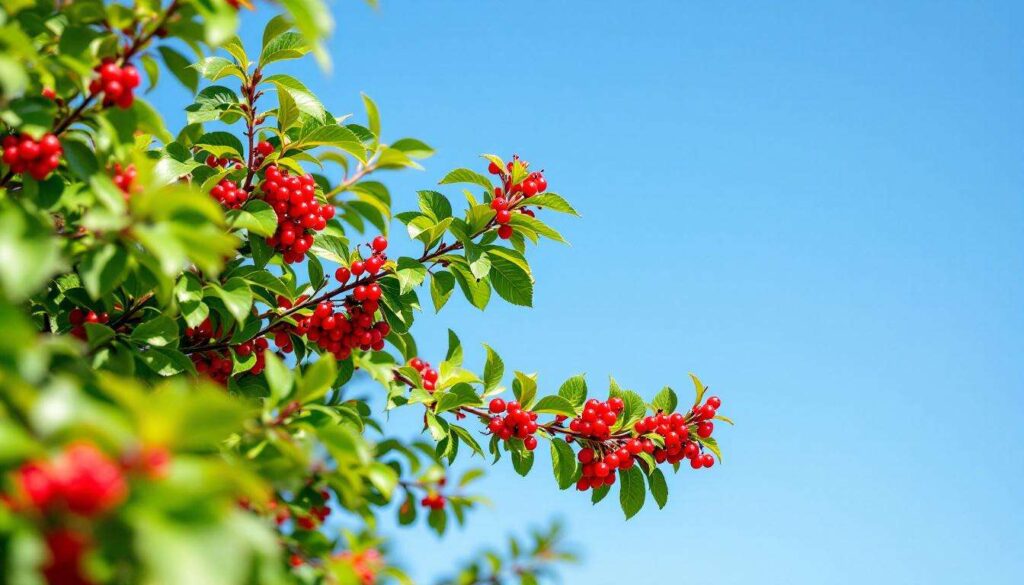
Cotoneaster has earned its place as one of Britain’s most reliable garden shrubs, offering year-round interest with minimal fuss. From sprawling ground covers to upright hedging plants, this genus encompasses species suited to virtually every garden situation. The combination of delicate spring flowers, glossy foliage, and vibrant autumn berries makes cotoneaster an invaluable asset for gardeners seeking both ornamental appeal and wildlife value.
Introduction to cotoneaster: a versatile shrub
Understanding the cotoneaster genus
Cotoneaster belongs to the Rosaceae family and comprises over 300 species, ranging from prostrate ground covers barely reaching 60 cm to substantial shrubs towering at 4.5 metres. These plants exhibit remarkable adaptability, thriving in USDA hardiness zones 2 to 7, which makes them suitable for most British gardens. The genus includes both deciduous and evergreen varieties, allowing gardeners to select species according to their specific requirements.
Ornamental features throughout the seasons
The appeal of cotoneaster extends across multiple seasons. Between late May and early July, the shrubs produce clusters of small white or pinkish flowers that attract bees and beneficial pollinators. As autumn approaches, these flowers give way to berries, typically in shades of red, though some species produce orange or yellow fruits. These berries persist throughout winter, providing crucial food sources for birds during the coldest months whilst adding visual interest to dormant gardens.
Growth habits and forms
Cotoneaster species display diverse growth patterns:
- Prostrate varieties spread horizontally, ideal for ground cover and rockeries
- Arching forms create graceful cascading effects over walls and banks
- Upright species serve excellently as hedging plants or specimen shrubs
- Weeping cultivars provide architectural focal points
This architectural diversity makes cotoneaster particularly valuable for addressing various landscaping challenges. Beyond aesthetic considerations, the shrub’s adaptability to different soil conditions and its tolerance of urban pollution make it a practical choice for contemporary gardens.
Varieties of cotoneaster to grow
Ground cover varieties
Cotoneaster dammeri remains the most popular prostrate species, forming dense evergreen mats approximately 10 cm high. This variety excels on banks and slopes where erosion control is needed. Cotoneaster horizontalis, despite its classification as invasive in certain regions, displays distinctive herringbone branching patterns and deciduous foliage that turns brilliant red in autumn. Gardeners should exercise caution with this species and consider alternative ground covers where invasiveness is a concern.
Medium-sized shrubs
For mid-border planting, Cotoneaster franchetii offers semi-evergreen foliage with silvery undersides and orange-red berries. Growing to approximately 2.5 metres, this species provides excellent structure without overwhelming smaller gardens. Cotoneaster salicifolius produces gracefully arching branches adorned with narrow, willow-like leaves and abundant red fruits, making it suitable for informal hedging or specimen planting.
Large hedging varieties
Cotoneaster simonsii reaches heights of 3 to 4 metres, making it ideal for substantial hedges and windbreaks. This semi-evergreen species produces pink-tinged flowers and bright red berries, though its invasive potential in England and Wales necessitates careful consideration before planting. Cotoneaster lacteus offers a less problematic alternative, with evergreen foliage, creamy white flowers, and persistent red berries that remain decorative well into winter.
| Variety | Height | Type | Berry colour |
|---|---|---|---|
| C. dammeri | 10 cm | Evergreen | Red |
| C. franchetii | 2.5 m | Semi-evergreen | Orange-red |
| C. lacteus | 3 m | Evergreen | Red |
| C. horizontalis | 1 m | Deciduous | Red |
Understanding these varieties enables gardeners to select appropriate species for their specific requirements, whether seeking ground cover, hedging, or specimen plants.
Planting techniques for cotoneaster
Optimal planting times
The most successful establishment occurs when planting during spring months from March to May or in autumn between September and November. These periods allow roots to establish before extreme weather conditions arrive. Container-grown specimens can technically be planted year-round, provided the soil is workable and adequate watering is maintained during establishment.
Site selection and soil preparation
Cotoneaster demonstrates remarkable tolerance of various soil types but performs optimally in well-drained conditions with pH levels between 6.0 and 7.5. The shrub accepts full sun to partial shade, though flowering and berry production prove most abundant in sunnier positions. Before planting, incorporate organic matter into heavy clay soils to improve drainage, whilst sandy soils benefit from compost addition to enhance moisture retention.
Planting procedure
Proper planting technique ensures successful establishment:
- Excavate a hole twice the width of the root ball but no deeper
- Loosen the sides of the planting hole to encourage root penetration
- Position the plant so the root collar sits level with the surrounding soil
- Backfill with excavated soil mixed with compost
- Firm gently to eliminate air pockets
- Water thoroughly to settle the soil around roots
- Apply a 5 cm layer of mulch, keeping it clear of the stem
Spacing considerations
Adequate spacing prevents overcrowding and reduces disease susceptibility. Allow 90 to 150 cm between individual plants, adjusting according to the mature size of the selected variety. For hedging purposes, closer spacing of 60 to 90 cm creates denser coverage more rapidly, though this requires more frequent maintenance. With proper spacing established, attention can turn to ongoing maintenance requirements.
Maintenance and care of cotoneaster
Watering requirements
Newly planted cotoneaster requires consistent moisture during the first growing season to establish robust root systems. Water deeply once or twice weekly, allowing soil to dry slightly between applications. Established plants demonstrate excellent drought tolerance but benefit from supplementary watering during prolonged dry spells. Avoid waterlogging, as cotoneaster proves susceptible to root rot in poorly drained conditions.
Fertilisation and mulching
An annual application of well-rotted manure or garden compost in spring provides sufficient nutrients for healthy growth. Spread a 5 cm layer around the base, maintaining a gap around the stem to prevent rot. This mulch conserves moisture, suppresses weeds, and gradually improves soil structure as it decomposes. Additional feeding rarely proves necessary, as excessive fertilisation can promote soft growth susceptible to disease and frost damage.
Pruning techniques
Cotoneaster requires minimal pruning, though late winter offers the optimal time for shaping and removing damaged growth. For informal specimens, simply remove dead, diseased, or crossing branches to maintain an open structure. Formal hedges benefit from trimming after flowering to preserve berry production whilst controlling size. Ground cover varieties rarely need pruning beyond occasional tidying of wayward shoots.
Pruning considerations include:
- Use sharp, clean secateurs to prevent disease transmission
- Cut back to healthy wood or a suitable outward-facing bud
- Remove no more than one-third of growth in a single session
- Dispose of prunings carefully to prevent spread of disease
Despite minimal maintenance requirements, cotoneaster occasionally faces specific challenges that require attention.
Addressing common cotoneaster problems
Fire blight disease
Fire blight represents the most serious disease affecting cotoneaster, caused by the bacterium Erwinia amylovora. Symptoms include blackened, shrivelled shoots that appear scorched, with affected foliage remaining attached to branches. This notifiable disease spreads rapidly during warm, humid conditions. Upon detection, prune affected branches back to healthy wood at least 60 cm below visible symptoms, sterilising tools between cuts. Severely infected plants require complete removal and destruction.
Pest infestations
Aphids occasionally colonise new growth, causing leaf distortion and sticky honeydew deposits. Natural predators such as ladybirds usually provide adequate control, though severe infestations may warrant treatment with insecticidal soap. Scale insects appear as brown bumps on stems and can be controlled through biological methods or horticultural oil applications during dormancy.
Environmental stress
Yellowing foliage often indicates nutrient deficiency or waterlogging. Improve drainage in heavy soils and apply balanced fertiliser if deficiency is suspected. Leaf spot diseases create brown or black patches on foliage but rarely threaten plant health significantly. Improve air circulation through appropriate spacing and remove affected leaves to reduce spore spread.
| Problem | Symptoms | Solution |
|---|---|---|
| Fire blight | Blackened shoots | Prune to healthy wood |
| Aphids | Distorted growth | Encourage predators |
| Waterlogging | Yellow leaves | Improve drainage |
Toxicity concerns
Cotoneaster berries contain compounds toxic to humans and animals if consumed in quantity. Whilst birds safely digest the fruits, pet owners should monitor animals around these plants and seek veterinary advice if ingestion occurs. Symptoms include gastrointestinal distress and, in severe cases, respiratory difficulties. Beyond these practical concerns, cotoneaster offers significant ecological benefits.
Cotoneaster and biodiversity: an asset for wildlife
Pollinator support
The abundant flowers produced between late May and early July provide valuable nectar and pollen resources during a critical period for bee populations. Honeybees, bumblebees, and solitary bee species visit cotoneaster flowers extensively, whilst hoverflies and other beneficial insects also feed on the blooms. This pollinator activity not only benefits the shrub through improved berry set but supports wider garden biodiversity.
Winter food source for birds
Berries persisting throughout winter offer crucial sustenance when natural food sources become scarce. Thrushes, blackbirds, and waxwings consume cotoneaster fruits eagerly, whilst the dense branching structure provides shelter and nesting sites. This wildlife value makes cotoneaster particularly valuable in urban gardens where natural habitats face increasing pressure.
Habitat creation
The architectural complexity of cotoneaster creates microhabitats supporting diverse invertebrate communities:
- Dense foliage offers shelter for overwintering insects
- Bark crevices provide hibernation sites for beneficial species
- Leaf litter beneath plants supports decomposer organisms
- Branch structure creates hunting perches for small birds
These ecological functions position cotoneaster as more than merely ornamental, contributing meaningfully to garden ecosystem health and resilience.
Cotoneaster exemplifies the ideal garden shrub, combining ornamental merit with practical benefits and ecological value. From the delicate spring flowers attracting essential pollinators to the vibrant winter berries sustaining bird populations, this versatile genus offers year-round interest. Success with cotoneaster requires appropriate variety selection, proper planting technique, and minimal ongoing maintenance. By understanding the shrub’s requirements and addressing potential problems promptly, gardeners can enjoy decades of reliable performance whilst contributing meaningfully to local biodiversity.