


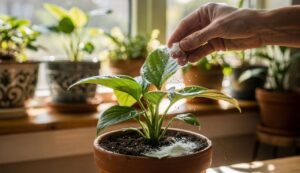
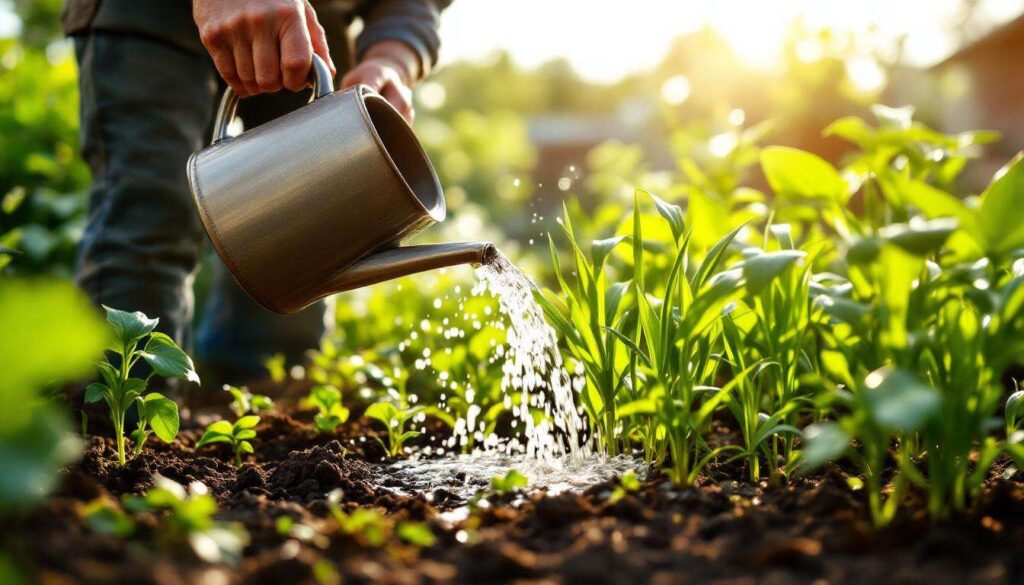
Gardeners across the country are increasingly turning to a simple kitchen by-product to enhance their horticultural efforts. Rice water, the starchy liquid left over from rinsing or cooking rice, has emerged as a popular natural fertiliser that promises to boost plant growth and strengthen root systems. This age-old practice, rooted in traditional agricultural wisdom, is gaining renewed attention as more people seek sustainable and cost-effective alternatives to commercial plant feeds.
The benefits of rice water for plants
A natural source of essential nutrients
Rice water contains a rich array of minerals and nutrients that plants require for healthy development. The liquid is particularly abundant in nitrogen, phosphorus, and potassium, the three primary macronutrients that form the foundation of plant nutrition. Additionally, rice water provides trace elements such as magnesium, iron, and zinc, which play crucial roles in various physiological processes within plants.
The starch content in rice water serves as an energy source for beneficial soil microorganisms. These microbes break down organic matter and make nutrients more accessible to plant roots, creating a thriving underground ecosystem that supports robust plant growth.
Enhanced root development and soil structure
One of the most significant advantages of using rice water lies in its ability to stimulate root growth. The nutrients present in the solution encourage the development of stronger, more extensive root systems, which in turn improve a plant’s ability to absorb water and nutrients from the soil. This enhanced root structure makes plants more resilient to environmental stresses such as drought or nutrient deficiencies.
Rice water also functions as a prebiotic for soil microbes, feeding the beneficial bacteria and fungi that contribute to soil health. The carbohydrates in the water provide sustenance for these organisms, which then improve soil structure, aeration, and water retention capacity.
Measurable improvements in plant performance
Gardeners who regularly apply rice water to their plants often report noticeable improvements in overall plant vigour. These benefits include:
- Accelerated growth rates and increased foliage density
- Enhanced flowering and fruit production
- Improved leaf colour and vitality
- Greater resistance to common plant diseases
- Better transplant success rates
Understanding these advantages naturally leads to the practical question of how to properly prepare and apply this beneficial solution.
How to prepare and use rice water in gardening
Three effective preparation methods
Gardeners can choose from several techniques to prepare rice water, each offering different concentrations of nutrients. The soaking method involves placing uncooked rice in water for approximately 30 minutes, then straining the liquid. This approach produces a mild solution suitable for frequent application.
The boiling method requires cooking rice in excess water for about 45 minutes, then collecting and cooling the starchy liquid. This technique releases more nutrients and starches into the water, creating a more concentrated fertiliser that provides greater benefits to plants.
A third option involves fermenting rice water for several days, which increases the population of beneficial bacteria. However, this method requires careful monitoring to prevent mould growth and unpleasant odours.
Application techniques for optimal results
Once prepared, rice water should be applied directly to the soil around the base of plants, avoiding contact with leaves when possible. The solution can be used at room temperature or slightly cooled if it has been boiled. For container plants, ensure that excess liquid can drain freely to prevent waterlogging.
| Preparation method | Nutrient concentration | Best suited for |
|---|---|---|
| Soaking | Low to moderate | Frequent applications, delicate plants |
| Boiling | Moderate to high | Established plants, heavy feeders |
| Fermentation | High | Mature plants, occasional use |
Whilst rice water offers numerous benefits, responsible use requires awareness of potential drawbacks and limitations.
Precautions to take with the use of rice water
Avoiding overuse and nutrient imbalances
Despite its advantages, excessive application of rice water can create problems in the garden. Overuse may lead to nutrient imbalances, particularly in sandy soils where excess nitrogen can leach away quickly. The high starch content can also attract unwanted pests such as ants, flies, and rodents if applied too liberally.
Gardeners should monitor their plants for signs of nutrient excess, including overly dark green foliage, reduced flowering, or soft, weak growth. If these symptoms appear, reduce the frequency of rice water applications.
Salt content considerations
Rice that has been cooked with salt should not be used for plant watering, as the sodium content can damage plant tissues and accumulate in the soil over time. Always use water from rinsing raw rice or from cooking rice without added salt.
Storage and hygiene practices
Fresh rice water should be used within 24 hours to prevent bacterial growth and fermentation unless intentionally fermenting the solution. Store unused rice water in a clean container in a cool location, and discard any solution that develops an unpleasant odour or visible mould.
Certain plant varieties respond particularly well to rice water treatment, making them ideal candidates for this natural fertilisation method.
Plants that particularly appreciate rice water
Vegetables and herbs
Many edible plants thrive when given regular applications of rice water. Tomatoes, peppers, and aubergines benefit from the additional nutrients during their intensive growing and fruiting periods. Leafy greens such as lettuce, spinach, and kale respond well to the nitrogen content, producing lush, tender foliage.
Herbs including basil, parsley, and coriander also appreciate rice water, developing stronger flavours and more abundant growth. Root vegetables like carrots and radishes benefit from the improved soil structure that results from regular rice water use.
Ornamental plants and houseplants
Flowering plants such as roses, geraniums, and petunias produce more abundant blooms when fed with rice water. The solution supports the energy-intensive process of flower production whilst maintaining healthy foliage.
Indoor plants particularly suited to rice water treatment include:
- Pothos and philodendrons
- Spider plants
- Peace lilies
- African violets
- Ferns
Plants requiring careful consideration
Whilst most plants benefit from rice water, succulents and cacti require minimal nutrients and may suffer from overfeeding. Similarly, plants that prefer acidic soil conditions may not respond well to frequent rice water applications, as the solution can gradually raise soil pH.
Knowing which plants benefit most from rice water naturally raises questions about timing and frequency of application.
Ideal frequency and timing of rice water application
Establishing an appropriate schedule
Most plants benefit from rice water applications every two to four weeks during their active growing season. This frequency provides consistent nutrition without overwhelming the soil or creating nutrient imbalances. During dormant periods, reduce or eliminate rice water feeding to match the plant’s reduced metabolic activity.
The concentration of the rice water solution should influence application frequency. Diluted solutions from the soaking method can be used more frequently, whilst concentrated boiled or fermented rice water should be applied less often.
Seasonal considerations
Spring and summer represent the optimal periods for rice water application, as most plants experience vigorous growth during these seasons. The additional nutrients support leaf development, flowering, and fruit production when plants can most effectively utilise them.
Autumn applications should be reduced gradually as plants prepare for dormancy, and winter feeding should be minimal or eliminated entirely for most species.
Signs that plants need more or less rice water
Observant gardeners can adjust their rice water schedule based on plant responses. Indicators that plants would benefit from more frequent applications include:
- Pale or yellowing leaves
- Slow growth rates
- Poor flowering or fruiting
- Weak stems
Conversely, signs of excessive feeding include overly dark foliage, reduced flowering despite healthy growth, and soft, disease-prone tissues.
Rice water represents just one option among several natural plant nutrition methods available to gardeners.
Comparison of rice water with other natural alternatives
Assessing rice water against common alternatives
Compost tea, another popular natural fertiliser, provides a broader spectrum of nutrients than rice water but requires more preparation time and materials. Whilst compost tea offers superior microbial diversity, rice water wins on convenience and accessibility for most households.
Banana peel water, rich in potassium, excels at promoting flowering and fruiting but lacks the balanced nutrient profile that rice water provides. Combining these two solutions can create a more comprehensive feeding programme.
| Natural fertiliser | Primary nutrients | Preparation ease | Cost |
|---|---|---|---|
| Rice water | NPK, starches | Very easy | Free |
| Compost tea | Broad spectrum | Moderate | Low |
| Banana water | Potassium | Easy | Free |
| Seaweed solution | Trace elements | Easy | Low to moderate |
Combining rice water with other methods
Rice water works effectively as part of an integrated approach to plant nutrition. Gardeners can alternate rice water applications with other natural fertilisers to provide plants with a diverse array of nutrients. This strategy mimics the varied nutrition that plants receive in natural ecosystems.
The environmental benefits of rice water extend beyond plant nutrition. By repurposing a kitchen waste product, gardeners reduce water consumption and contribute to a more sustainable household. This practice aligns with broader efforts to minimise waste and adopt circular economy principles in everyday life.
Rice water has proven itself as a valuable tool in the modern gardener’s repertoire, offering an accessible and effective means of supporting plant health. The combination of essential nutrients, ease of preparation, and zero cost makes this traditional method relevant for contemporary sustainable gardening practices. By understanding proper preparation techniques, appropriate application frequencies, and which plants benefit most, gardeners can harness rice water’s potential whilst avoiding common pitfalls. Whether used alone or as part of a broader natural fertilisation strategy, rice water represents a practical step towards more environmentally conscious and economical plant care.