


Houseplants, balcony greenery and kitchen garden staples have long cycled through periods of popularity, yet certain species seem to vanish from garden centres and windowsills only to resurface decades later with renewed vigour. The phenomenon of botanical nostalgia has gained momentum as gardeners rediscover varieties their grandparents once cherished, blending vintage charm with contemporary cultivation techniques. These retro revivals offer more than mere aesthetic appeal; they reconnect us with horticultural traditions whilst adapting to modern living spaces and sustainability concerns. From cascading fronds to aromatic leaves, five classic plants are reclaiming their rightful place in homes and outdoor spaces.
Awakening of the Boston fern
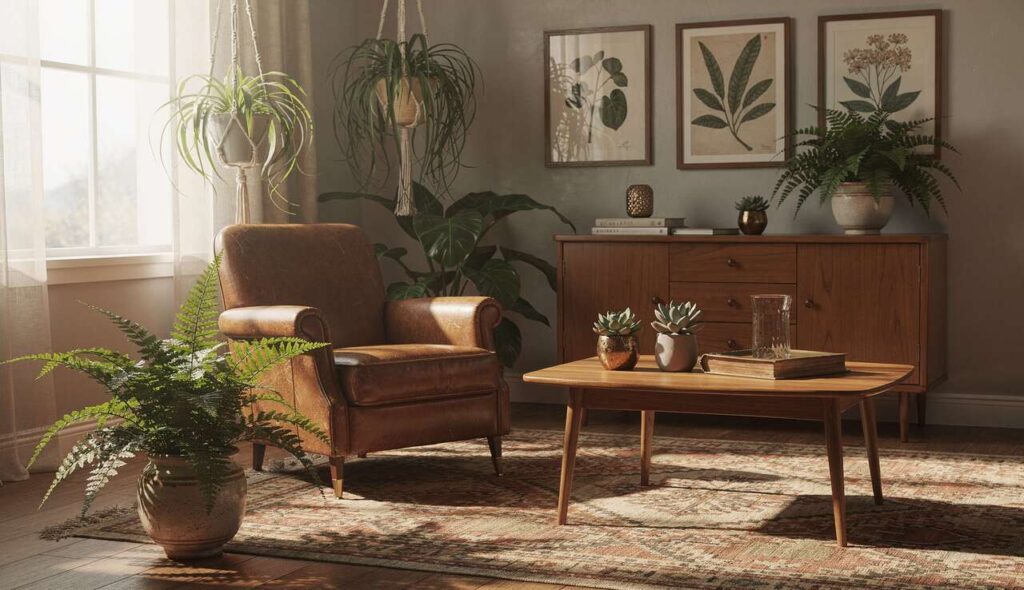
The Boston fern (Nephrolepis exaltata) dominated Victorian parlours and Edwardian conservatories, its graceful arching fronds symbolising refinement and natural elegance. After decades of relative obscurity, this humidity-loving species has experienced a remarkable resurgence amongst urban dwellers seeking to soften minimalist interiors with organic textures.
Why the Boston fern disappeared and returned
Central heating systems and drier indoor environments contributed to the Boston fern’s decline during the mid-twentieth century, as maintaining adequate moisture levels proved challenging for busy households. The plant’s reputation for being temperamental further discouraged novice gardeners. However, renewed interest in biophilic design and improved understanding of microclimate management have reversed this trend. Modern humidifiers, pebble trays and strategic bathroom placement now make cultivating these ferns considerably more achievable.
Practical cultivation tips for contemporary spaces
Successfully growing Boston ferns requires attention to several key factors:
- Maintain consistent soil moisture without waterlogging
- Provide bright, indirect light away from harsh afternoon sun
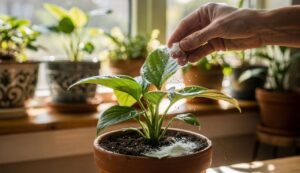
- Increase humidity through regular misting or grouping plants together
- Fertilise monthly during active growth periods with diluted liquid feed
- Prune brown fronds to encourage fresh growth
Placement near kitchens or bathrooms naturally benefits these moisture-dependent plants, whilst hanging baskets showcase their cascading habit to dramatic effect. The Boston fern’s air-purifying qualities add functional value beyond its decorative contribution, filtering formaldehyde and other airborne pollutants.
Whilst ferns bring lush greenery indoors, other vintage favourites have evolved through selective breeding to suit changing tastes.
The craze for revisited pothos
Once dismissed as an office plant cliché, pothos (Epipremnum aureum) has undergone a dramatic image transformation. New cultivars with striking variegation patterns have elevated this trailing vine from functional filler to statement piece, commanding premium prices amongst collectors.
Evolution of pothos varieties
The standard golden pothos remains popular for its resilience, but contemporary iterations showcase remarkable diversity:
| Variety | Characteristics | Light requirements |
|---|---|---|
| Marble Queen | White and green variegation | Bright indirect light |
| Neon | Chartreuse foliage | Low to medium light |
| Manjula | Cream, white and green patterns | Medium to bright indirect |
| Baltic Blue | Fenestrated leaves with blue-green hue | Bright indirect light |
Styling pothos in modern interiors
The versatility of pothos extends beyond colour variations to include multiple display methods. Trailing from shelves creates living curtains, whilst training vines up moss poles produces vertical focal points. Propagation through stem cuttings allows gardeners to multiply their collection economically, sharing divisions with friends and perpetuating the plant’s social currency. This ease of propagation partly explains pothos’ enduring appeal across generations, as cherished specimens pass from household to household.
Beyond ornamental foliage, aromatic herbs offer both visual interest and culinary utility in compact growing spaces.
Mint in modern kitchen gardens
Mint (Mentha species) has never truly vanished from gardens, yet its cultivation methods and appreciated varieties have shifted considerably. Where previous generations planted mint directly into borders—often regretting its aggressive spread—contemporary gardeners employ containerisation strategies that harness mint’s vigour without sacrificing control.
Containing mint’s enthusiastic growth
The notorious invasiveness of mint stems from its rhizomatous root system, which spreads laterally with remarkable speed. Modern approaches include:
- Growing in dedicated pots with drainage holes
- Using root barriers when planting in raised beds
- Regular division to maintain plant health and limit expansion
- Vertical gardening systems for small balconies
These containment methods allow urban dwellers to enjoy fresh mint without dedicating entire plots to a single herb.
Rediscovering heritage mint varieties
Whilst spearmint and peppermint dominate supermarket shelves, heirloom varieties offer distinctive flavour profiles suited to specific culinary applications. Chocolate mint provides dessert garnishes, pineapple mint adds fruity notes to beverages, and Moroccan mint remains essential for authentic tea preparation. Specialist nurseries now stock these traditional cultivars, responding to demand from home cooks seeking ingredient diversity. The resurgence of cocktail culture has particularly boosted mint’s popularity, with mixologists requesting specific varieties for signature drinks.
Seasonal blooming plants complement year-round herbs, offering dramatic colour during specific periods.
The return of the Christmas cactus indoors
The Christmas cactus (Schlumbergera species) epitomised mid-century houseplant collections, its segmented stems and vibrant winter blooms brightening dreary months. After fading from prominence, this Brazilian native has resurged as gardeners appreciate its longevity and relatively undemanding nature.
Understanding bloom cycles and care requirements
Unlike desert cacti, Christmas cacti originate from tropical rainforests and require distinct growing conditions. Successful flowering depends on environmental triggers:
- Reduce watering slightly in autumn to initiate bud formation
- Provide cooler night temperatures between 10-15°C
- Ensure 12-14 hours of darkness daily for six weeks before desired bloom time
- Avoid moving plants once buds form to prevent bud drop
With proper manipulation of light and temperature, Christmas cacti can bloom reliably for decades, with specimens passing through multiple generations becoming treasured family heirlooms.
Propagation and generational continuity
The ease of propagating Christmas cacti through stem segments contributes to their emotional significance. Cuttings taken from a grandmother’s plant maintain genetic continuity whilst establishing new households, creating living links between family members. This sentimental dimension distinguishes Christmas cacti from disposable seasonal decorations, reinforcing their value in contemporary homes where connections to heritage hold increasing importance.
Tropical flowering plants extend the palette of balcony gardening beyond temperate species.
Hibiscus: exoticism on balconies
Hibiscus (Hibiscus rosa-sinensis) evokes images of tropical holidays and exotic gardens, yet hardy varieties and container cultivation techniques have made these flamboyant bloomers accessible to temperate climate gardeners. The plant’s association with vintage holiday destinations and retro botanical prints fuels its renewed popularity.
Selecting appropriate hibiscus varieties
Not all hibiscus tolerate British weather equally. Tropical varieties require protection from frost, whilst hardy hibiscus (Hibiscus syriacus) withstands winter temperatures when established. Container-grown tropical hibiscus offer flexibility, spending summers outdoors before moving to conservatories or bright indoor positions during colder months. Flower colours span from traditional reds and pinks to contemporary yellows, oranges and bi-colours, allowing coordination with specific design schemes.
Maximising blooms in confined spaces
Hibiscus flowers appear on new growth, making regular pruning essential for abundant blooms. Key cultivation practices include:
| Practice | Timing | Benefit |
|---|---|---|
| Pruning | Early spring | Encourages branching and bud formation |
| Fertilising | Monthly during growth | Supports continuous flowering |
| Repotting | Every 2-3 years | Prevents root binding |
| Deadheading | Throughout bloom period | Redirects energy to new flowers |
Balcony microclimates often suit hibiscus well, with reflected heat from walls and paving mimicking warmer regions. Pairing hibiscus with complementary foliage plants creates tropical vignettes that transport gardeners beyond their urban settings.
Culinary herbs complete the spectrum of retro revivals, offering immediate practical rewards alongside aesthetic contributions.
The renaissance of basil in our kitchen gardens
Basil (Ocimum basilicum) has maintained consistent popularity, yet its cultivation context and appreciated varieties have transformed significantly. Where previous generations grew standard sweet basil almost exclusively, contemporary gardeners explore diverse cultivars with distinct flavours, colours and growth habits.
Expanding beyond sweet basil
The basil family encompasses remarkable diversity suited to various culinary traditions:
- Thai basil with anise notes for Southeast Asian cuisine
- Purple basil offering visual contrast in salads
- Lemon basil providing citrus undertones for fish dishes
- Greek basil with compact growth ideal for windowsills
- Holy basil valued in Ayurvedic traditions
This variety allows gardeners to match specific basil types to their cooking preferences whilst creating visually dynamic plantings that transcend monochrome green.
Succession planting for continuous harvests
Basil’s annual nature and tendency to bolt in hot weather necessitate strategic planting schedules. Succession sowing every three weeks from spring through midsummer ensures continuous leaf production. Regular pinching of growing tips promotes bushier growth whilst delaying flowering, extending the productive period. Container cultivation suits basil particularly well, allowing gardeners to bring pots indoors before autumn frosts or position them in optimal microclimates. The plant’s sensitivity to cold makes it an excellent candidate for windowsill gardens, where temperatures remain stable and harvesting proves convenient during meal preparation.
These five plants demonstrate how botanical trends cycle through periods of popularity, each resurgence reflecting changing lifestyles, improved cultivation knowledge and evolving aesthetic preferences. The Boston fern addresses desires for lush textures, whilst pothos varieties satisfy collectors seeking unique specimens. Mint’s containment suits compact urban gardens, and Christmas cacti provide seasonal drama with minimal maintenance. Hibiscus brings tropical exuberance to temperate balconies, and diverse basil cultivars elevate everyday cooking. Together, they illustrate how vintage favourites adapt to contemporary contexts, proving that horticultural wisdom transcends generations when plants offer genuine value beyond fleeting fashions.