


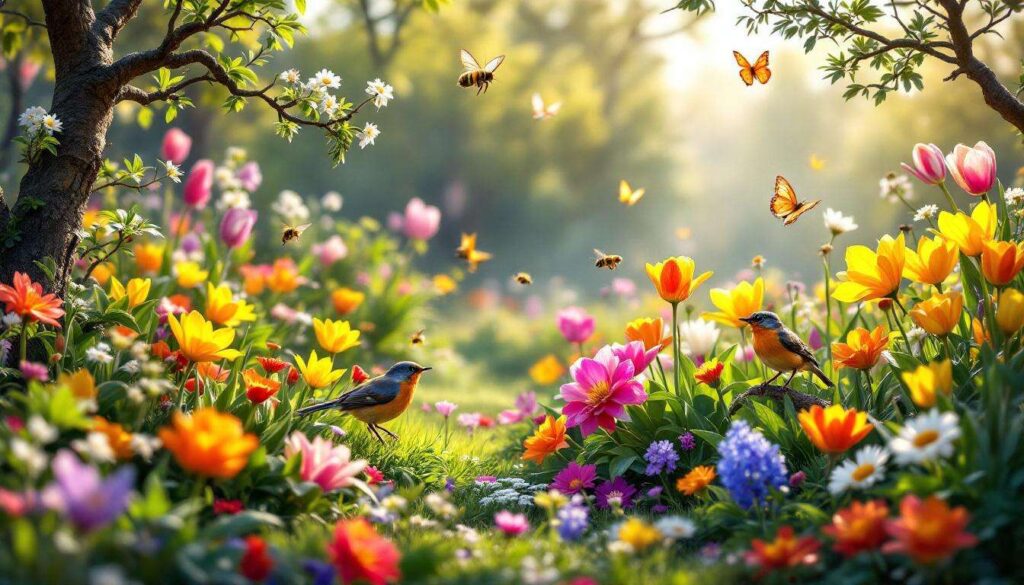
Gardeners seeking to transform their outdoor spaces into havens for wildlife need look no further than a simple yet remarkably effective solution. By selecting the right spring bulbs and planting them at the optimal time, you can create a vibrant ecosystem that attracts robins, bees and butterflies throughout the warmer months. These colourful visitors not only add life and movement to your garden but also play crucial roles in pollination and pest control. The secret lies in understanding which bulbs to choose and when to plant them for maximum impact on local wildlife populations.
Why planting bulbs in spring is essential
The ecological importance of spring blooms
Spring-flowering bulbs provide critical early nectar sources when pollinators emerge from winter dormancy. As temperatures rise and insects become active, they desperately need sustenance after months of limited food availability. Early-blooming bulbs such as crocuses, grape hyacinths and alliums offer this lifeline, supporting bee colonies and butterfly populations during their most vulnerable period. Without these resources, many beneficial insects struggle to survive and reproduce successfully.
Timing advantages for wildlife support
Planting bulbs during the optimal window ensures they establish strong root systems before winter sets in. This preparation allows them to produce robust flowers precisely when wildlife needs them most. The strategic timing creates a seamless food chain that benefits:
- Queen bumblebees searching for nest sites and initial food sources
- Early butterflies requiring nectar after hibernation
- Robins and other songbirds feeding on insects attracted to blooms
- Solitary bees emerging from underground chambers
Understanding these interconnected relationships helps gardeners appreciate why proper timing matters so significantly for ecological health. The right planting schedule ensures your garden becomes an essential resource within the local habitat network.
The best bulb varieties to attract wildlife
Top performing spring bulbs for pollinators
Certain bulb varieties demonstrate exceptional appeal to wildlife due to their accessible flower structures and abundant nectar production. Alliums stand out as particularly effective attractors, with their spherical flower heads providing landing platforms for numerous pollinators simultaneously. Their purple, pink or white blooms create stunning visual displays whilst offering sustenance to dozens of species.
| Bulb variety | Primary attractors | Bloom period | Nectar rating |
|---|---|---|---|
| Allium | Bees, butterflies | Late spring to early summer | High |
| Crocus | Early bees | Late winter to early spring | Medium |
| Grape hyacinth | Bumblebees | Mid to late spring | High |
| Snowdrop | Early pollinators | Late winter | Medium |
Single versus double flowers
When selecting bulbs, prioritise single-flowered varieties over their double-flowered counterparts. Double flowers often have modified stamens that reduce or eliminate nectar and pollen accessibility. Whilst they may appear more decorative, they offer minimal value to wildlife. Single blooms with open centres allow easy access for insects of various sizes and tongue lengths, maximising your garden’s ecological contribution.
These carefully chosen varieties form the foundation of a wildlife-friendly garden, but their true value emerges when we consider how they interact with the broader ecosystem.
How bulbs enhance your garden’s ecosystem
Creating food webs through floral resources
Spring bulbs initiate complex ecological relationships that extend far beyond simple pollinator visits. When bees and butterflies gather nectar from your bulbs, they attract predatory insects and birds that feed on them or on other insects drawn to the flowers. Robins particularly benefit from this arrangement, as they hunt for beetles, caterpillars and other invertebrates congregating around flowering plants. This creates a multi-layered food web that supports diverse wildlife throughout the growing season.
Soil health and biodiversity benefits
The presence of bulbs contributes to improved soil structure and microbial diversity. As bulbs grow and die back annually, they add organic matter to the soil whilst their root systems create channels for water infiltration and aeration. This enhanced soil quality supports:
- Beneficial fungi that form partnerships with plant roots
- Earthworms that aerate soil and provide food for robins
- Ground-nesting bees requiring well-structured soil
- Decomposer organisms that recycle nutrients
Year-round habitat structure
Even after flowering concludes, bulb foliage provides shelter for small invertebrates and maintains habitat complexity. Allowing leaves to die back naturally rather than removing them prematurely ensures bulbs store sufficient energy for next year’s display whilst supporting wildlife during the transition between seasons. This approach maximises both aesthetic appeal and ecological function.
With these ecosystem benefits in mind, implementing proper planting techniques becomes crucial for achieving optimal results.
Practical guide to planting your bulbs at the right time
Optimal planting windows
The ideal time to plant spring-flowering bulbs falls between September and November, with mid-October representing the sweet spot for most regions. Soil temperatures during this period remain warm enough to encourage root development whilst cool enough to prevent premature shoot emergence. Planting too early risks fungal diseases in warm, wet soil, whilst late planting may not allow sufficient root establishment before winter frosts arrive.
Step-by-step planting process
Successful bulb establishment requires attention to specific planting depths and spacing considerations. Follow these essential steps for optimal results:
- Select a location with appropriate sunlight levels for your chosen varieties
- Ensure soil drains well to prevent bulb rot during wet periods
- Dig holes to a depth approximately three times the bulb’s height
- Place bulbs pointed end upwards, flat base downwards
- Space bulbs according to variety recommendations, typically 5-15 cm apart
- Backfill with soil and water thoroughly to settle roots
- Apply a light mulch layer to regulate soil temperature
Site selection for wildlife impact
Position your bulbs where pollinators can easily locate them by planting in sunny, sheltered spots visible from multiple angles. Group bulbs in clusters rather than single specimens, as concentrated floral displays attract more wildlife attention. Consider planting near hedgerows or shrubs that provide nesting sites for birds and overwintering habitat for butterflies, creating an integrated wildlife corridor throughout your garden.
Once your bulbs are properly established, ongoing maintenance ensures they continue supporting wildlife year after year.
Caring for your blooms for an attractive garden
Post-flowering maintenance strategies
After flowers fade, resist the temptation to remove foliage immediately. Leaves must remain in place for at least six weeks following bloom completion, allowing bulbs to photosynthesise and replenish energy reserves for next season’s display. This patience pays dividends in increasingly vigorous flowering over subsequent years whilst maintaining habitat value for insects sheltering amongst the dying foliage.
Feeding and watering requirements
Spring bulbs generally require minimal intervention once established, but strategic feeding enhances performance. Apply a balanced fertiliser as shoots emerge in spring, providing nutrients for flower development. Avoid high-nitrogen formulations that promote excessive foliage at the expense of blooms. During dry spells whilst bulbs are actively growing, supplemental watering supports healthy development without encouraging fungal problems.
Long-term sustainability practices
Maintain your bulb plantings through these sustainable approaches:
- Allow naturalisation by leaving bulbs undisturbed for multiple years
- Divide overcrowded clumps every three to five years
- Add new bulbs annually to extend flowering periods
- Avoid pesticide use that harms beneficial insects
- Leave seed heads for birds where appropriate
These practices ensure your garden continues providing valuable resources whilst requiring minimal intensive management.
Conclusion: enjoy a vibrant and lively garden
Transforming your garden into a wildlife sanctuary begins with the simple act of planting spring bulbs at the right time. By selecting varieties that offer abundant nectar and pollen, positioning them strategically, and maintaining them with wildlife needs in mind, you create an ecosystem that supports robins, bees and butterflies throughout the growing season. The autumn planting window presents the perfect opportunity to establish these vital resources, ensuring early-emerging pollinators find sustenance when they need it most. Through thoughtful bulb selection and placement, your garden becomes an essential link in the local ecological network whilst providing you with spectacular seasonal colour and the pleasure of observing nature’s interactions firsthand.