



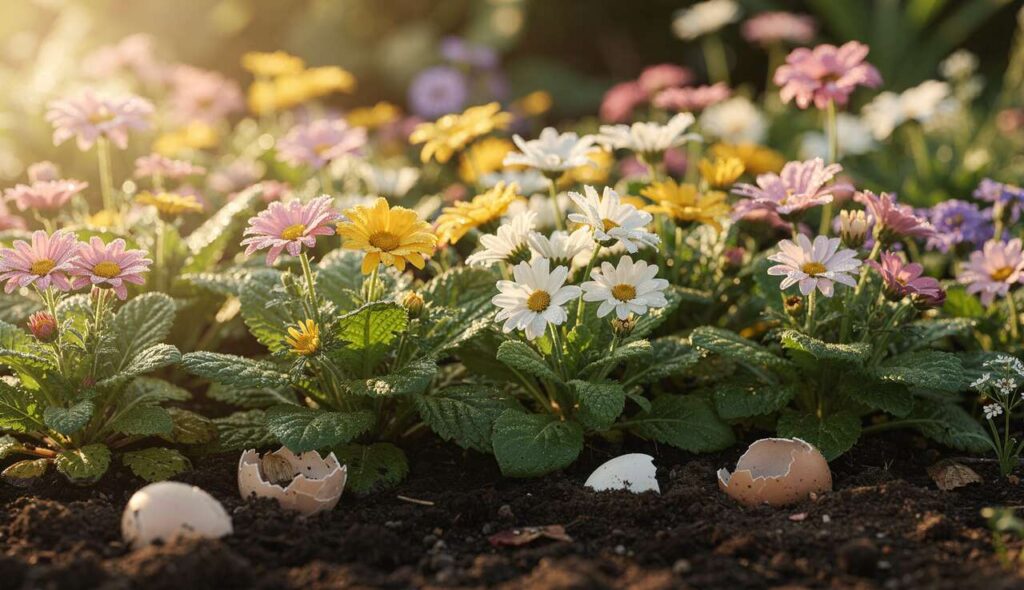
Gardeners across the country are discovering an astonishing secret that transforms ordinary soil into a thriving ecosystem. This simple ingredient, often discarded without a second thought, has proven to be a game-changer for plant vitality and garden productivity. The results speak for themselves: lusher foliage, more abundant blooms, and vegetables bursting with flavour. What makes this method particularly appealing is its accessibility and cost-effectiveness, requiring no specialist knowledge or expensive equipment.
Introduction to the revolutionary ingredient
What is this mysterious ingredient ?
The ingredient in question is coffee grounds, a readily available resource that most households produce daily. Rather than consigning used coffee grounds to the rubbish bin, forward-thinking gardeners have begun incorporating them directly into their garden beds with remarkable success. This organic material, rich in essential nutrients, represents a sustainable approach to gardening that aligns perfectly with environmentally conscious practices.
Why coffee grounds have gained popularity
The surge in interest surrounding coffee grounds stems from several compelling factors:
- They are completely free for coffee drinkers
- They reduce household waste significantly
- They provide a natural alternative to chemical fertilisers
- They improve soil structure over time
- They attract beneficial earthworms
Coffee shops and cafés often have surplus grounds available for collection, making this resource accessible even to non-coffee drinkers. Many establishments actively encourage gardeners to take these grounds away, viewing it as a mutually beneficial arrangement that diverts waste from landfills.
Understanding the nutritional composition of coffee grounds reveals why they deliver such impressive results in garden settings.
How does this ingredient enrich the soil ?
Nutritional composition breakdown
Coffee grounds contain a diverse array of nutrients that plants require for optimal growth. The primary components include nitrogen, which promotes leafy growth, along with smaller quantities of phosphorus and potassium. Additionally, they contain trace minerals such as magnesium, copper, and calcium.
| Nutrient | Approximate percentage | Primary benefit |
|---|---|---|
| Nitrogen | 2% | Foliage development |
| Phosphorus | 0.3% | Root strength |
| Potassium | 0.2% | Overall plant health |
| Magnesium | 0.1% | Chlorophyll production |
Soil structure improvement
Beyond nutritional benefits, coffee grounds significantly enhance soil texture and aeration. When incorporated into heavy clay soils, they create air pockets that facilitate root penetration and water drainage. In sandy soils, they increase water retention capacity, reducing the frequency of irrigation required. The organic matter gradually breaks down, feeding beneficial microorganisms that create a thriving underground ecosystem essential for plant health.
pH considerations
Contrary to popular belief, used coffee grounds are nearly neutral in pH, typically ranging between 6.5 and 6.8. Fresh grounds are acidic, but the brewing process removes most acidity. This makes them suitable for most garden plants without causing significant pH shifts. Acid-loving plants such as azaleas, rhododendrons, and blueberries particularly appreciate the slight acidity that remains.
The chemical and physical improvements to soil naturally translate into observable changes in plant appearance and productivity.
The visible benefits on plant health
Enhanced foliage and growth rates
Gardeners report noticeably darker green leaves and accelerated growth rates within weeks of introducing coffee grounds. The nitrogen content supports chlorophyll production, resulting in more vibrant foliage capable of efficient photosynthesis. Plants exhibit stronger stems and more robust branching patterns, creating fuller, more attractive specimens.
Improved flowering and fruiting
Flowering plants treated with coffee grounds produce more abundant blooms with intensified colours. Vegetable gardeners observe increased yields, with tomatoes, peppers, and courgettes showing particular responsiveness. The improved soil conditions enable plants to allocate more energy towards reproductive processes rather than struggling for basic survival.
Natural pest deterrence
Coffee grounds offer an unexpected advantage in pest management. Slugs and snails find the gritty texture unpleasant and avoid crossing barriers of coffee grounds. Additionally, the caffeine content can be toxic to certain insects, providing a measure of protection without resorting to harmful chemicals. Cats also tend to avoid areas treated with coffee grounds, protecting seedbeds from unwanted disturbance.
Achieving these benefits requires proper application techniques to maximise effectiveness whilst avoiding potential pitfalls.
Instructions for burying the ingredient in your garden
Preparation of coffee grounds
Before application, allow used coffee grounds to dry completely to prevent mould development. Spread them on a tray or newspaper in a well-ventilated area for 24 to 48 hours. Dried grounds are easier to handle and distribute evenly throughout the garden. Paper filters can be included as they decompose readily and add additional organic matter.
Application methods
Several effective techniques exist for incorporating coffee grounds into garden soil:
- Direct burial: dig small holes around plants and fill with grounds before covering with soil
- Surface mulching: spread a thin layer (no more than 1 cm) around plant bases
- Compost addition: mix grounds into compost heaps at a ratio of 20% grounds to 80% other materials
- Soil amendment: work grounds into beds before planting at a rate of 500g per square metre
Quantity guidelines and frequency
Moderation is crucial when using coffee grounds. Excessive application can create a water-repellent layer or introduce too much nitrogen, potentially burning plant roots. A thin layer reapplied monthly provides consistent benefits without overwhelming the soil ecosystem. For established plants, burying 100 to 200g around the root zone every four to six weeks delivers optimal results.
Real-world experiences from fellow gardeners provide valuable insights into practical application and expected outcomes.
Testimonials from convinced gardeners
Transformations in vegetable patches
Margaret from Surrey reports that her tomato harvest doubled in quantity after she began burying coffee grounds monthly around each plant. She notes that the fruits developed richer flavours and the plants showed remarkable resistance to common diseases. Her courgettes produced continuously throughout the summer, a stark contrast to previous seasons when production tapered off by August.
Success with ornamental gardens
David, an enthusiastic rose grower in Cornwall, describes his roses as having “never looked more spectacular” since incorporating coffee grounds into his maintenance routine. The blooms increased in size and fragrance, whilst black spot problems diminished noticeably. His hydrangeas also responded positively, producing larger flower heads with more intense colouration.
Container gardening achievements
Urban gardeners working with limited space in containers report equally impressive results. Sarah from London mixes coffee grounds into her potting compost at a ratio of one part grounds to ten parts compost. Her balcony herb garden thrives, with basil plants growing bushier and more flavourful than shop-bought alternatives. She emphasises the importance of ensuring adequate drainage when using grounds in containers to prevent waterlogging.
Maximising the potential of coffee grounds requires tailoring application strategies to specific plant types and growing conditions.
Tips to optimise its use in different crops
Vegetables requiring high nitrogen
Leafy greens such as lettuce, spinach, and kale benefit enormously from the nitrogen boost coffee grounds provide. Apply grounds fortnightly during the growing season, working them gently into the top few centimetres of soil. Brassicas including cabbages and broccoli similarly respond well, developing denser heads and more tender leaves.
Acid-loving ornamentals
Rhododendrons, camellias, and azaleas appreciate both the slight acidity and nutrient content of coffee grounds. Create a mulch ring around these plants, refreshing it quarterly. Combine grounds with pine needles or ericaceous compost for enhanced acidification if soil tests indicate insufficient acidity for optimal growth.
Fruit-bearing plants
Berry bushes, particularly blueberries and raspberries, thrive when coffee grounds are incorporated into their feeding regime. Apply grounds in early spring as growth commences and again after fruiting concludes. Fruit trees benefit from grounds spread across their root zones, though quantities should be increased proportionally to tree size.
Plants to avoid treating
Certain plants show sensitivity to coffee grounds and should be treated cautiously or avoided altogether:
- Seedlings and young plants with undeveloped root systems
- Geraniums, which may experience stunted growth
- Asparagus ferns, which prefer different soil conditions
- Some succulents that require minimal organic matter
The transformation that coffee grounds bring to gardens represents a perfect intersection of sustainability, economy, and horticultural effectiveness. This simple practice converts waste into a valuable resource that nourishes soil ecosystems whilst delivering tangible improvements in plant health and productivity. Gardeners who embrace this method consistently report healthier plants, increased yields, and the satisfaction of participating in environmentally responsible cultivation. The accessibility of coffee grounds makes this approach viable for gardeners of all experience levels, from beginners establishing their first beds to seasoned horticulturists seeking natural alternatives to commercial fertilisers. By incorporating this ingredient into regular garden maintenance, anyone can achieve the lush, vibrant results that once seemed reserved for professional gardeners.