

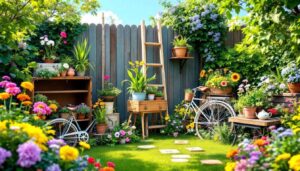


As spring arrives and gardens begin to stir with new life, many homeowners eagerly reach for their tools to tidy outdoor spaces. Yet beneath the emerging greenery and awakening soil, hedgehogs are navigating a critical period of their annual cycle. These beloved mammals, whose populations have declined dramatically in recent decades, depend on gardens for food, shelter and safe passage. Understanding which common maintenance tasks pose the greatest threats can transform our outdoor spaces into sanctuaries rather than hazards for these vulnerable creatures.
Importance of preserving hedgehogs in spring
A critical season for hedgehog survival
Spring represents a pivotal moment in the hedgehog calendar. After months of hibernation, these nocturnal mammals emerge weakened and desperately hungry, requiring immediate access to food sources to rebuild their strength. The period between March and May coincides with their mating season, making survival particularly crucial for maintaining population numbers.
Gardens have become increasingly vital to hedgehog conservation as traditional habitats continue to disappear. Urban and suburban green spaces now serve as essential corridors connecting fragmented populations, allowing genetic diversity and territorial expansion.
Declining populations demand action
The statistics paint a concerning picture of hedgehog welfare:
| Time period | Population change |
|---|---|
| Since 1950s | Decline of approximately 50% |
| Rural areas (recent decades) | Up to 75% reduction |
| Current UK population estimate | Under 1 million |
These figures underscore the urgent need for gardeners to adopt protective practices. Every garden that provides safe refuge contributes meaningfully to reversing this troubling trend.
Understanding these population pressures helps explain why seemingly minor gardening decisions can have outsized consequences for local wildlife communities.
Spring gardening: common mistakes to avoid
The dangers of excessive tidiness
The impulse to create pristine outdoor spaces often conflicts directly with wildlife needs. Over-tidying removes the very features that hedgehogs and countless other species require for survival. Raking away every fallen leaf, removing all grass clippings, and clearing dead plant material eliminates crucial habitat layers.
Gardens that appear too manicured typically lack the structural diversity necessary to support complex ecosystems. The insects that hedgehogs feed upon depend on decaying organic matter, seed heads and undisturbed soil.
Equipment hazards during active periods
Garden machinery poses direct physical threats to hedgehogs, particularly during spring when they are most active. Common dangerous practices include:
- Operating strimmers through long grass without prior inspection
- Running lawnmowers at low settings across entire lawns
- Using mechanical hedge trimmers at ground level
- Turning compost heaps without checking for nesting animals
- Burning garden waste that may contain sheltering wildlife
Each year, numerous hedgehogs suffer serious injuries or death from garden equipment, with spring representing the highest risk period due to increased activity levels and nesting behaviours.
Beyond physical hazards, certain maintenance approaches fundamentally alter the garden environment in ways that exclude hedgehogs entirely.
Why avoid excessive mowing or trimming of your hedges
Destroying natural nesting sites
Hedgehogs construct nests in areas of dense vegetation, particularly at the base of hedges and within areas of longer grass. Aggressive trimming during spring can destroy these nests, leaving young hoglets exposed or separated from mothers. Female hedgehogs typically give birth between May and September, with preparation beginning in early spring.
The removal of lower hedge growth eliminates protective corridors that hedgehogs use for safe navigation between gardens. These wildlife highways allow movement whilst providing cover from predators.
Reducing essential food sources
Areas of longer grass and untrimmed hedge bases support significantly higher insect populations compared to closely cropped lawns. These invertebrates form the foundation of the hedgehog diet, including:
- Beetles and ground beetles
- Caterpillars and moth larvae
- Earthworms
- Slugs and snails
- Spiders and harvestmen
By maintaining some areas at greater height and allowing hedge bases to remain bushy, gardeners create feeding stations that sustain hedgehogs throughout their active months.
Whilst physical habitat destruction poses obvious dangers, invisible chemical threats often prove equally devastating to hedgehog populations.
The destructive impact of chemicals on wildlife
Direct poisoning risks
Common garden chemicals present serious toxicity hazards to hedgehogs. Slug pellets containing metaldehyde prove particularly lethal, as hedgehogs readily consume poisoned slugs. Even small quantities can cause neurological damage, seizures and death.
Pesticides and herbicides accumulate in hedgehog tissues through repeated exposure, weakening immune systems and reducing reproductive success. These sub-lethal effects may not cause immediate death but contribute to long-term population decline.
Eliminating the food chain
Perhaps more insidiously, garden chemicals destroy the invertebrate populations that hedgehogs depend upon. The widespread use of pesticides creates food deserts where hedgehogs cannot find sufficient nutrition.
| Chemical type | Impact on hedgehogs |
|---|---|
| Slug pellets | Direct poisoning through consumption of affected prey |
| Insecticides | Elimination of primary food sources |
| Herbicides | Destruction of plant diversity supporting insects |
| Lawn treatments | Contamination of foraging areas and water sources |
Gardens treated with multiple chemical products become ecological dead zones incapable of supporting hedgehog populations regardless of other habitat features.
Just as important as avoiding harmful practices is actively preserving the natural features that hedgehogs require.
Protecting natural shelters: leaves and dead wood
The value of leaf litter
Fallen leaves provide far more than aesthetic untidiness. They create microhabitats supporting vast invertebrate communities whilst offering insulation and moisture retention. Hedgehogs actively forage through leaf litter and may use accumulated leaves for nest construction.
Leaving leaf piles undisturbed, particularly in quiet corners and beneath hedges, creates ready-made shelter. These areas require no maintenance yet deliver substantial wildlife benefits throughout the year.
Log piles and woody debris
Dead wood represents one of the most biodiverse habitats available in gardens. A single log pile supports:
- Fungi and decomposing organisms
- Beetle larvae and wood-boring insects
- Spiders and centipedes
- Hibernation sites for various species
- Potential hedgehog nesting locations
Positioning log piles in undisturbed locations ensures they remain stable refuges. Combining logs of various sizes and stages of decay maximises ecological value whilst creating the complex structures hedgehogs favour for daytime resting.
With an understanding of what to avoid and preserve, gardeners can implement positive alternatives that actively support hedgehog populations.
Ecological alternatives for a welcoming garden
Natural pest control methods
Abandoning chemicals need not mean accepting pest damage. Biological controls and companion planting offer effective alternatives. Encouraging natural predators such as birds, frogs and hedgehogs themselves creates balanced ecosystems where pest populations remain manageable without intervention.
Physical barriers, including copper tape for slugs and horticultural fleece for vulnerable plants, provide protection without toxicity. Hand-picking pests during evening inspections proves surprisingly effective for small gardens.
Creating wildlife-friendly zones
Designating specific areas as wildlife havens allows gardeners to balance aesthetic preferences with conservation needs. These zones might include:
- Wildflower meadows left unmown until late summer
- Dense shrub borders providing year-round cover
- Compost heaps offering warmth and invertebrates
- Water features with shallow access points
- Hedgehog highways through boundary fences
Even small gardens can incorporate these features, with vertical diversity compensating for limited horizontal space. The key lies in providing varied habitats that support complete life cycles.
Timing maintenance activities carefully
When maintenance cannot be avoided, scheduling work outside sensitive periods minimises harm. Delaying major hedge cutting until late summer, after nesting season concludes, protects vulnerable young. Similarly, postponing lawn treatments until autumn reduces exposure during peak activity months.
Always conducting thorough checks before using machinery, moving slowly through areas and examining potential shelter spots, prevents accidental injuries to hidden hedgehogs.
The collective impact of individual garden management decisions shapes the future of hedgehog populations across the country. By recognising spring as a particularly vulnerable period and adjusting maintenance practices accordingly, gardeners become active participants in wildlife conservation. Embracing a degree of managed untidiness, eliminating harmful chemicals, preserving natural shelters and implementing wildlife-friendly alternatives transforms gardens into vital refuges. These changes require minimal effort yet deliver profound benefits, ensuring that hedgehogs continue to grace our outdoor spaces for generations to come. Every garden represents an opportunity to make a meaningful difference in reversing population declines and supporting biodiversity.