
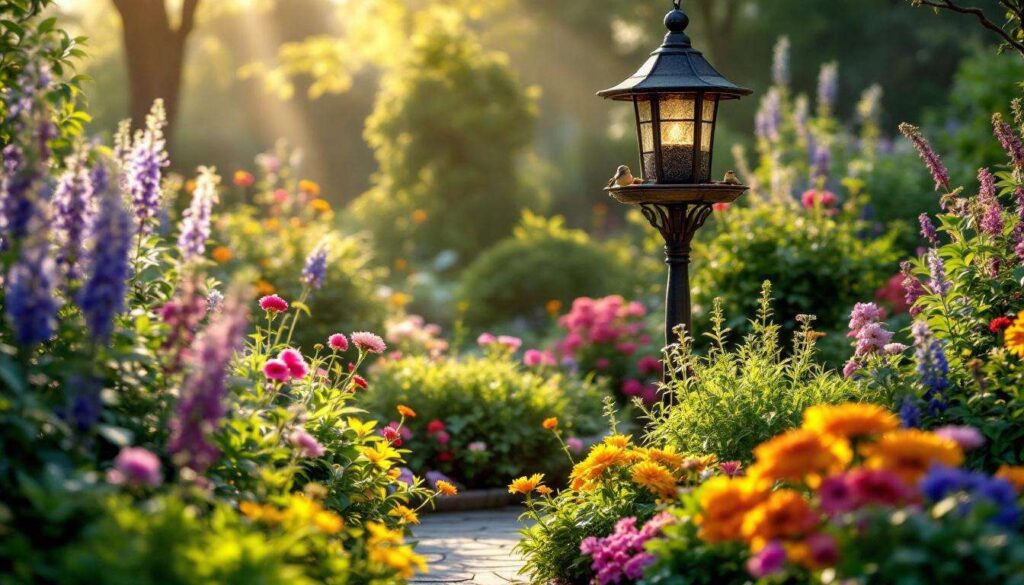
Watching an empty bird feeder can be disheartening, especially when you’ve invested time and resources into creating what you believed would be an avian paradise. Many garden enthusiasts face this puzzling situation, wondering why their carefully prepared feeding stations remain untouched whilst neighbouring gardens seem to attract flocks of feathered visitors. Understanding the complex factors that influence bird behaviour is essential for transforming your garden into a thriving wildlife haven. From food selection to environmental conditions, numerous elements determine whether birds will choose your garden as their preferred destination.
Reasons for a birdless garden
Location and visibility challenges
The positioning of your bird feeder plays a crucial role in attracting visitors. Birds naturally seek feeding areas that offer both accessibility and safety, which means your feeder’s location might be working against you. If your feeder is placed too close to windows, birds may perceive the reflections as predators or obstacles. Conversely, feeders positioned in completely open areas without nearby cover make birds feel vulnerable to aerial predators such as sparrowhawks.
Urban gardens face additional challenges including noise pollution, limited green spaces, and reduced natural food sources. Birds often avoid areas with excessive human activity, loud machinery, or frequent disturbances. The proximity to busy roads or construction sites can create an environment that birds instinctively avoid, regardless of the food quality you provide.
Competition from natural food sources
Your garden might be experiencing seasonal abundance of natural food that renders your feeder redundant. When hedgerows are laden with berries, trees offer abundant seeds, and insects are plentiful, birds have little incentive to visit artificial feeding stations. This natural competition becomes particularly evident during late summer and early autumn when nature provides a feast that surpasses any human offering.
| Natural food source | Peak availability | Preferred bird species |
|---|---|---|
| Berries and fruits | August to October | Blackbirds, thrushes, waxwings |
| Insects and larvae | May to September | Blue tits, robins, wrens |
| Tree seeds | September to November | Finches, nuthatches, woodpeckers |
Understanding these patterns helps explain why your feeder might remain untouched during certain periods. The relationship between natural food availability and feeder usage directly influences how you should approach garden bird feeding throughout the year.
The impact of unsuitable food
Quality and freshness concerns
Birds possess remarkably discerning palates and will reject food that has degraded in quality. Stale seeds, mouldy peanuts, or rancid fat balls not only fail to attract birds but can actively repel them. Seeds exposed to moisture develop fungal growth that birds can detect, whilst oxidised oils in nuts produce unpleasant odours that discourage feeding.
The storage conditions of bird food significantly affect its appeal. Food kept in damp sheds, exposed to temperature fluctuations, or stored for extended periods loses nutritional value and palatability. Many well-intentioned gardeners unknowingly offer degraded food, wondering why birds show no interest despite their generous provisions.
Species-specific preferences
Different bird species have evolved to consume specific food types, and offering the wrong varieties will leave your feeder empty. Understanding these preferences is fundamental to successful bird feeding:
- Finches and sparrows prefer small seeds such as nyjer, sunflower hearts, and millet
- Tits and nuthatches favour peanuts, suet, and sunflower seeds
- Robins and blackbirds enjoy mealworms, fruit, and ground-scattered food
- Woodpeckers seek high-energy foods including suet blocks and peanut cakes
- Doves and pigeons consume larger grains and mixed corn
Offering inappropriate food types for your local bird population guarantees disappointment. A feeder filled exclusively with large seeds in an area dominated by small finches will remain untouched, just as a nyjer feeder will be ignored in gardens frequented primarily by larger species. These feeding preferences extend beyond mere preference into the realm of physical capability and nutritional requirements that have developed over thousands of years of evolution.
The influence of seasons on bird visits
Breeding season behaviour changes
During the breeding season from April to July, bird behaviour undergoes dramatic transformation. Parent birds prioritise protein-rich insects for their chicks rather than seed-based diets. This natural shift means feeders offering seeds and grains see significantly reduced traffic, whilst those providing mealworms and insect-based foods maintain steady visitor numbers.
The territorial nature of breeding birds also affects feeder usage. Many species establish and defend breeding territories, which can exclude other birds from feeding areas within those boundaries. This territorial behaviour means you might observe fewer species visiting simultaneously, even though individual birds may feed more frequently.
Migration and population fluctuations
Bird populations in British gardens fluctuate considerably throughout the year due to migratory patterns. Summer visitors such as swallows and warblers rarely use feeders, whilst winter migrants including redwings and fieldfares arrive seeking specific food types. Understanding these patterns helps set realistic expectations for feeder activity.
| Season | Feeder activity level | Dominant species |
|---|---|---|
| Winter (Dec-Feb) | High | Resident species plus winter visitors |
| Spring (Mar-May) | Moderate to low | Breeding residents |
| Summer (Jun-Aug) | Low | Parent birds seeking protein |
| Autumn (Sep-Nov) | Increasing | Residents plus early migrants |
These seasonal variations explain why a feeder bustling with activity in January might stand empty in June. Recognising these natural cycles prevents unnecessary concern and helps you adjust your feeding strategy to match bird behaviour patterns throughout the year.
Tips for attracting birds to your garden
Strategic feeder placement
Positioning feeders requires careful consideration of multiple factors. Place feeders approximately two metres from dense shrubs or trees, providing birds with quick escape routes whilst preventing cats from launching surprise attacks. This distance offers the optimal balance between safety and accessibility that birds instinctively seek.
Consider creating feeding stations at different heights to accommodate various species’ preferences. Ground feeders attract blackbirds and dunnocks, hanging feeders suit tits and finches, whilst table feeders appeal to robins and sparrows. This multi-level approach maximises the diversity of species visiting your garden.
Providing water sources
Birds require fresh water for drinking and bathing throughout the year, making water provision as important as food. A simple bird bath positioned near feeders dramatically increases garden attractiveness. During winter, regularly breaking ice ensures continuous access, whilst summer requires frequent refilling and cleaning to prevent algae growth.
- Position water sources in open areas where birds can spot approaching predators
- Maintain water depth between 2.5 and 10 centimetres to accommodate different species
- Clean bird baths weekly using a stiff brush and fresh water
- Add stones or pebbles to provide perching spots and grip
- Replace water every two to three days during warm weather
Offering variety in food types
Diversifying your food offerings attracts a broader range of species and ensures year-round interest. Rather than relying on a single seed type, create a feeding station that includes sunflower hearts, peanuts, suet products, and mealworms. This variety caters to different dietary requirements and feeding preferences.
The quality of food matters more than quantity. Invest in premium bird food from reputable suppliers rather than cheap mixed seeds filled with filler grains that birds discard. High-quality food reduces waste, attracts more species, and provides better nutritional value for visiting birds.
Common mistakes to avoid for keeping birds
Irregular feeding patterns
Birds develop feeding routines and rely on consistent food availability, particularly during harsh weather. Sporadic filling of feeders confuses birds and encourages them to seek more reliable food sources elsewhere. Once you begin feeding, maintain regular supplies throughout winter when natural food becomes scarce and birds depend on supplementary feeding.
The sudden cessation of feeding during critical periods can prove detrimental to bird populations. If you plan to stop feeding, do so gradually during spring when natural food sources increase, allowing birds to adjust their foraging patterns without experiencing nutritional stress.
Neglecting hygiene and maintenance
Poor feeder hygiene creates disease transmission risks that can devastate local bird populations. Accumulated droppings, mouldy food, and stagnant water harbour bacteria and parasites including salmonella and trichomonas. These pathogens spread rapidly among birds congregating at feeding stations.
- Clean feeders thoroughly every two weeks using hot water and mild disinfectant
- Remove and dispose of uneaten food that shows signs of mould or deterioration
- Rotate multiple feeders to allow thorough drying between uses
- Disinfect feeding areas and clear accumulated husks and droppings
- Wear gloves when cleaning and wash hands thoroughly afterwards
Using inappropriate feeder designs
Certain feeder designs inadvertently exclude target species whilst attracting unwanted visitors. Feeders with perches too small for larger birds, mesh sizes inappropriate for seed types, or inadequate weather protection fail to serve their intended purpose. Squirrel-proof feeders that prove too challenging for small birds create similar problems.
The material quality of feeders affects both durability and bird safety. Cheap plastic feeders deteriorate rapidly, developing sharp edges and cracks that harbour bacteria. Metal feeders offer superior longevity but require designs that prevent birds from becoming trapped or injured. These practical considerations directly impact the success of your bird feeding efforts and naturally lead to examining the broader environmental context.
The importance of environment and natural shelters
Creating protective cover
Birds instinctively seek gardens that offer adequate shelter from predators and adverse weather. Dense hedging, mature shrubs, and evergreen plants provide essential cover where birds can retreat quickly when threatened. Without this protective vegetation, even the most generously stocked feeder fails to attract nervous visitors who prioritise survival over feeding opportunities.
Native plant species offer superior benefits compared to exotic ornamentals. Hawthorn, holly, and native ivy provide year-round cover whilst producing berries that supplement bird diets. These plants also support insect populations that form crucial protein sources, creating a self-sustaining ecosystem that reduces reliance on artificial feeding.
Balancing garden tidiness with wildlife needs
Excessively manicured gardens offer limited appeal to birds seeking natural foraging opportunities. Leaving seed heads on perennials, allowing areas of longer grass, and maintaining leaf litter creates habitats for invertebrates whilst providing natural food sources. This approach transforms gardens from sterile outdoor spaces into functioning ecosystems.
| Garden feature | Wildlife benefit | Bird species attracted |
|---|---|---|
| Log piles | Insect habitat | Wrens, robins, woodpeckers |
| Seed-bearing plants | Natural food source | Finches, sparrows, buntings |
| Dense hedging | Nesting and shelter | Thrushes, dunnocks, wrens |
| Compost heaps | Invertebrate populations | Blackbirds, robins, thrushes |
The integration of natural elements alongside feeding stations creates an environment where birds feel secure and find multiple resources. This holistic approach addresses the fundamental needs that determine whether birds choose your garden as a regular visiting destination, ensuring long-term success in attracting and maintaining diverse bird populations.
Transforming an empty feeder into a bustling wildlife hub requires understanding the multifaceted factors influencing bird behaviour. From selecting appropriate food types and maintaining rigorous hygiene standards to creating protective habitats and respecting seasonal patterns, success depends on addressing birds’ comprehensive needs. By implementing these evidence-based strategies and avoiding common pitfalls, you can create a garden environment that consistently attracts diverse bird species throughout the year, providing both ecological benefits and endless opportunities for wildlife observation.