


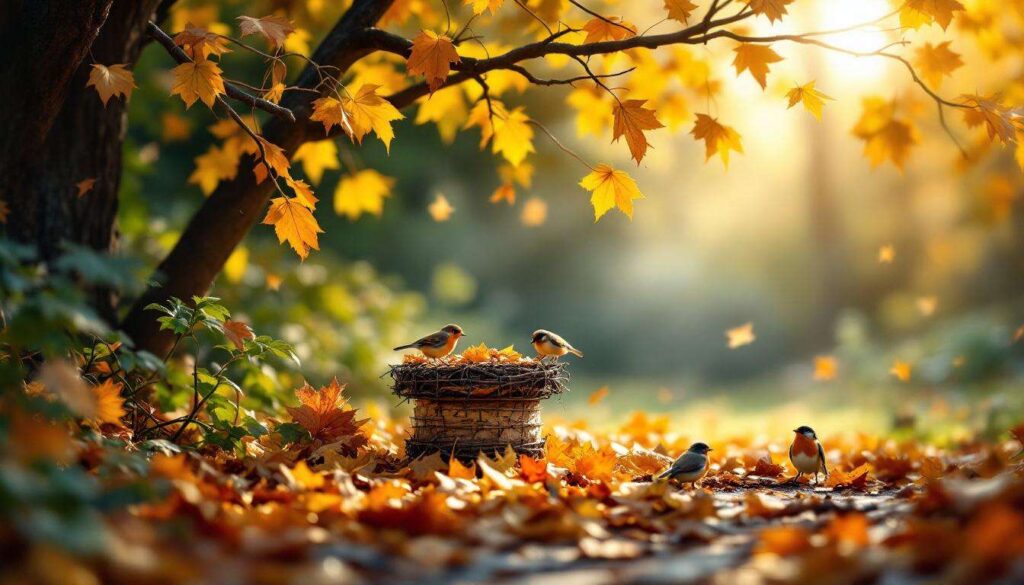
Garden enthusiasts across Britain routinely engage in autumn tidying rituals, meticulously raking leaves, cutting back perennials, and clearing seed heads to prepare their outdoor spaces for winter. Yet this seemingly responsible approach to garden maintenance may inadvertently create a crisis for local wildlife. Research indicates that overzealous autumn clean-ups can eliminate up to 70% of the natural food sources and shelter that garden birds depend upon during the coldest months. Understanding which tasks to postpone and which natural elements to preserve can transform gardens into vital sanctuaries for struggling bird populations whilst maintaining aesthetic appeal.
Understanding the importance of winter biodiversity
Winter biodiversity represents a delicate ecosystem where every natural element serves multiple purposes for wildlife survival. Gardens that retain organic matter, seed heads, and leaf litter provide essential resources when natural food becomes scarce. The interconnected web of insects, seeds, and shelter creates a self-sustaining environment that supports diverse bird species throughout harsh weather conditions.
The winter food chain in gardens
Garden ecosystems function as miniature food chains during winter months. Decomposing leaves harbour invertebrates including beetles, spiders, and woodlice, which constitute primary protein sources for species such as robins, wrens, and blackbirds. Seed heads from perennials like echinacea, rudbeckia, and teasels provide calorie-rich nutrition for finches, sparrows, and tits. This natural buffet requires no human intervention beyond simple preservation.
| Garden feature | Bird species supported | Food type provided |
|---|---|---|
| Fallen leaves | Robins, blackbirds, thrushes | Invertebrates, insects |
| Seed heads | Goldfinches, greenfinches, sparrows | Seeds, grains |
| Dead wood | Woodpeckers, nuthatches, treecreepers | Larvae, beetles |
| Dense shrubs | Wrens, dunnocks, hedge sparrows | Shelter and roosting sites |
Shelter and roosting requirements
Beyond nutrition, winter survival depends critically on adequate shelter from wind, rain, and freezing temperatures. Dense vegetation, hollow stems, and leaf piles offer protected microclimates where birds can roost overnight. A single wren may share a nest box with up to 60 individuals during extreme cold snaps, illustrating the desperate need for insulated spaces. Gardens stripped bare of natural materials force birds to expend precious energy searching for alternative shelter, reducing their chances of surviving until spring.
Recognising how these elements interact helps gardeners appreciate why certain autumn tasks prove counterproductive for wildlife welfare, setting the stage for examining specific practices that undermine winter biodiversity.
Common autumn cleaning mistakes
Traditional garden maintenance routines often prioritise visual tidiness over ecological value, inadvertently removing the very features that sustain wildlife populations. Identifying these problematic practices allows gardeners to modify their approach without sacrificing garden health.
Excessive leaf removal
Raking and disposing of fallen leaves represents perhaps the most damaging autumn habit for garden birds. Leaf litter creates humid conditions beneath its surface where invertebrates thrive throughout winter. Species such as ground beetles, millipedes, and earthworms remain active in this protected layer, providing consistent food for foraging birds. Removing leaves eliminates this food source whilst also exposing soil to erosion and temperature fluctuations.
Cutting back perennials and grasses
The impulse to deadhead spent flowers and trim ornamental grasses deprives birds of accessible seed sources during critical periods. Many gardeners fail to recognise that what appears as dead vegetation actually contains thousands of nutritious seeds. The following plants should remain standing through winter:
- Echinacea and rudbeckia seed heads for goldfinches and siskins
- Teasels providing food for numerous finch species
- Sunflower stalks offering high-energy seeds
- Ornamental grasses harbouring seeds and overwintering insects
- Sedum flowers supporting late-season invertebrates
Removing dead wood and hollow stems
Fallen branches, standing deadwood, and hollow plant stems provide essential overwintering sites for insects that birds rely upon. Beetle larvae, lacewings, and solitary bees shelter within these structures, emerging as spring protein sources for breeding birds. Clearing this material eliminates both immediate winter food and future spring nutrition for chicks.
These well-intentioned but misguided practices combine to create barren landscapes that cannot support healthy bird populations, making it essential to understand specifically how fallen leaves function within the garden ecosystem.
The crucial role of fallen leaves for birds
Fallen leaves represent multifunctional resources that address numerous wildlife needs simultaneously. Their decomposition process creates microhabitats supporting complex food webs whilst improving soil structure and fertility.
Invertebrate populations beneath leaf litter
A single square metre of leaf litter can harbour several thousand invertebrates during winter months. These creatures process organic matter whilst providing consistent nutrition for insectivorous birds. Robins, in particular, depend heavily on this resource, spending considerable time foraging through leaf piles for beetles, spiders, and larvae. The humid environment beneath leaves remains frost-free even during severe cold, allowing invertebrate activity to continue when other food sources freeze solid.
Thermal insulation properties
Leaf layers function as natural insulation, moderating soil temperature fluctuations and creating protected zones where birds can forage comfortably. Ground-feeding species such as blackbirds and song thrushes actively turn leaves to access hidden invertebrates, a behaviour impossible on bare ground. This insulation also protects plant roots and bulbs, ensuring healthy vegetation for subsequent seasons.
Nesting material for spring
Partially decomposed leaves provide ideal nesting material when breeding season arrives. Many species incorporate leaf fragments into nest construction, using them for structural support and insulation. By preserving autumn leaves, gardeners ensure this resource remains available when birds begin nest building in early spring.
Recognising these benefits naturally leads to considering how gardeners can modify their practices to support wildlife whilst maintaining functional, attractive outdoor spaces.
Adopting wildlife-friendly practices
Transitioning to wildlife-conscious garden management requires minimal effort whilst delivering substantial benefits for bird populations. These approaches balance aesthetic considerations with ecological responsibility.
Strategic leaf management
Rather than removing all fallen leaves, gardeners should adopt selective placement strategies. Leaves can be gathered from lawns and paths, then redistributed beneath hedges, around shrub bases, and in dedicated wildlife corners. This approach maintains tidy circulation areas whilst concentrating resources where birds naturally forage. Creating leaf piles of 15-20 centimetres depth in sheltered locations provides optimal invertebrate habitat.
Delayed pruning schedules
Postponing perennial cutbacks until late winter or early spring preserves seed heads and hollow stems throughout the period when birds need them most. The following timeline supports wildlife whilst maintaining garden structure:
- Leave seed heads standing until March
- Retain ornamental grasses until new growth emerges
- Delay hedge trimming until after nesting season
- Allow ivy to flower and fruit before pruning
- Keep dead flower stems on sedums and asters through winter
Creating designated wildlife zones
Establishing specific garden areas dedicated to wildlife allows for concentrated habitat creation without compromising overall garden design. These zones can incorporate log piles, dense shrub plantings, and undisturbed leaf accumulations. Even small gardens benefit from a corner left intentionally wild, providing disproportionate wildlife value relative to space occupied.
Implementing these practices becomes more effective when gardeners understand specific techniques for preserving natural resources throughout winter months.
Practical guide: how to preserve natural garden resources
Concrete actions transform wildlife-friendly intentions into measurable habitat improvements. These practical steps require minimal investment whilst maximising ecological benefit.
Creating effective leaf habitats
Optimal leaf management involves strategic placement and depth consideration. Gather leaves into piles measuring at least 30 centimetres across and 15 centimetres deep in sheltered locations beneath hedges or against walls. These dimensions create sufficient volume for invertebrate colonisation whilst remaining manageable. Avoid compacting leaves, as loose structure allows air circulation and bird access.
Maintaining seed-bearing plants
Identify which garden plants provide valuable winter seeds and mark them for preservation. The most beneficial species include:
| Plant type | Primary bird beneficiaries | Seed availability period |
|---|---|---|
| Teasels | Goldfinches, linnets | October-February |
| Sunflowers | Greenfinches, tits | September-January |
| Rudbeckia | Sparrows, finches | October-March |
| Lavender | Various species | September-December |
Building insect hotels and brush piles
Supplement natural features with purpose-built wildlife structures. Bundle hollow stems into bundles secured with twine, then position them horizontally in sheltered locations. Stack pruned branches loosely to create brush piles offering both insect habitat and bird shelter. These structures require no maintenance and provide year-round value.
Water provision during freezing periods
Accessible water becomes critically scarce when temperatures drop below freezing. Placing a small floating ball in birdbaths helps prevent complete freezing, whilst regularly refreshing water ensures availability. Shallow dishes positioned near cover allow nervous species to drink safely.
These practical interventions yield benefits extending well beyond immediate winter survival, contributing to healthier ecosystems and more vibrant gardens throughout the year.
Long-term benefits for gardens and birds
Wildlife-friendly autumn practices generate cumulative advantages that compound over successive seasons. Gardens managed with ecological awareness develop richer biodiversity, improved soil health, and more resilient plant communities.
Enhanced breeding success
Birds that successfully overwinter in well-resourced gardens return to breed in familiar territories. Abundant invertebrate populations provide essential protein for growing chicks, increasing fledgling survival rates. Studies demonstrate that gardens supporting diverse winter bird communities typically host more successful breeding pairs during spring and summer.
Natural pest control
Healthy bird populations deliver effective pest management without chemical intervention. A single blue tit family consumes approximately 35,000 caterpillars whilst raising chicks. Maintaining year-round bird presence ensures these natural predators remain available when pest populations emerge. This biological control reduces reliance on pesticides whilst protecting beneficial insects.
Improved soil fertility and structure
Leaf litter decomposition enriches soil with organic matter, improving water retention, nutrient availability, and microbial diversity. Gardens where leaves remain in situ develop superior soil structure, supporting healthier plant growth and reducing the need for supplementary fertilisation. This creates a positive feedback loop where improved vegetation supports greater wildlife diversity.
Embracing these practices transforms gardens into dynamic ecosystems where human enjoyment and wildlife welfare coexist harmoniously, demonstrating that ecological responsibility enhances rather than compromises garden quality.
The evidence clearly demonstrates that conventional autumn tidying practices inadvertently devastate wildlife resources precisely when birds need them most. By preserving fallen leaves, delaying perennial cutbacks, and maintaining seed heads through winter, gardeners can ensure their outdoor spaces provide the food and shelter that sustain bird populations during harsh conditions. These adjustments require minimal effort whilst delivering substantial ecological benefits, transforming gardens into vital sanctuaries that support biodiversity throughout the year. The choice between a sterile, manicured landscape and a thriving wildlife haven ultimately rests with individual gardeners, but the compelling case for wildlife-friendly practices suggests that small changes in autumn routines can make profound differences to local bird populations facing increasingly challenging environmental conditions.