
Gardening enthusiasts across the country have witnessed a remarkable shift in plant selections, driven by environmental awareness and practical considerations. Climate unpredictability has prompted a move towards species that can withstand both drought conditions and excessive rainfall, whilst simultaneously supporting local ecosystems. The emphasis on creating beautiful yet functional outdoor spaces has never been stronger, with gardeners seeking varieties that offer visual appeal alongside resilience and minimal upkeep requirements.
Drought-Resistant Plant Trends for 2026
Adapting to Water Scarcity
The increasing frequency of summer droughts has fundamentally changed how gardeners approach plant selection. Water conservation has become a priority, leading to a surge in popularity for species that thrive in dry conditions without compromising on aesthetic value. These plants have evolved natural mechanisms to store water and reduce transpiration, making them ideal candidates for modern gardens facing unpredictable weather patterns.
Top Drought-Tolerant Varieties
Several standout plants have captured the attention of gardeners seeking drought-resistant options. Althaea cannabina has emerged as a favourite, producing delicate pink flowers whilst requiring minimal watering once established. This remarkable plant self-seeds readily in favourable conditions, creating naturalistic drifts that return year after year. Another exceptional choice is Asphodeline liburnica, a perennial originating from the Aegean mountains that produces stunning star-shaped lemon-yellow flowers.
| Plant Name | Flower Colour | Soil Preference |
|---|---|---|
| Althaea cannabina | Pink | Well-drained |
| Asphodeline liburnica | Lemon-yellow | Poor, dry |
| Euphorbia segueriana subsp. niciciana | Lime-green | Difficult terrain |
Ground Cover Solutions
Euphorbia segueriana subsp. niciciana has proven particularly valuable for challenging areas. Its blue-green foliage and lime-green flowers create tight carpets that suppress weeds whilst tolerating poor soil conditions. This spurge variety demonstrates how drought-resistant plants can solve multiple garden problems simultaneously.
Understanding which plants can tolerate dry conditions naturally leads to considering those that excel in the opposite extreme: shaded areas where moisture tends to linger.
The Best Plants for Shade
Transforming Dark Corners
Shaded areas have traditionally posed challenges for gardeners, but the right plant selection can transform these spaces into lush, vibrant features. Many woodland natives and shade-adapted species offer exceptional foliage interest and delicate blooms that brighten even the darkest corners of gardens.
Shade-Loving Champions
The Bringing Nature Home campaign has highlighted the importance of selecting plants that support wildlife whilst thriving in low-light conditions. Shade-tolerant varieties often provide crucial habitats for pollinators seeking refuge from intense sunlight, creating ecological benefits alongside ornamental value.
- Ferns offering architectural foliage throughout the growing season
- Hostas providing bold leaf textures in various colours
- Hellebores delivering early spring flowers when little else blooms
- Astilbes producing feathery plumes in summer shade
- Pulmonarias offering spotted leaves and spring flowers
These shade specialists demonstrate that limited sunlight need not mean limited planting options, particularly when combined with shrubs that require minimal intervention.
Low-Maintenance Shrubs for the Modern Garden
Reducing Garden Workload
Contemporary lifestyles demand low-maintenance solutions that deliver maximum impact with minimal effort. Shrubs have become increasingly popular as they provide structure, seasonal interest, and often require only annual pruning to maintain their shape and vigour.
Azaleas: Spring Spectacle
Azaleas have been designated amongst the plants of the year, recognised for their spectacular spring displays and suitability for various landscape applications. These shrubs offer masses of flowers in shades ranging from pure white through pinks to deep reds, creating stunning focal points with relatively little maintenance beyond occasional watering during establishment.
Practical Shrub Selection
When choosing low-maintenance shrubs, gardeners should consider several factors:
- Ultimate size to avoid constant pruning requirements
- Disease resistance to minimise intervention needs
- Seasonal interest extending beyond a single flowering period
- Compatibility with local soil conditions
- Wildlife value for pollinators and birds
These practical considerations extend beyond individual plants to encompass how entire garden spaces function, particularly when creating distinct outdoor areas.
Creating an Outdoor Room Garden
Extending Living Space
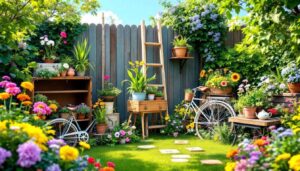
The concept of outdoor rooms has gained tremendous momentum, with gardens increasingly viewed as extensions of interior living spaces. This approach involves creating defined areas with specific purposes, using plants to establish boundaries and atmosphere whilst maintaining cohesion throughout the garden.
Structural Planting
Strategic plant placement creates walls, ceilings, and floors within outdoor rooms. Shrubs form hedges that define spaces, climbers clothe vertical surfaces, and ground cover plants establish living carpets. This layered approach produces gardens that feel both spacious and intimate, offering multiple experiences within a single plot.
Functional outdoor spaces naturally complement the growing interest in plants that serve purposes beyond pure decoration.
The Rise of Edible Plants in Gardens
Beauty Meets Productivity
Ornamental gardening and food production have merged dramatically, with edible plants claiming prominent positions in decorative schemes. This trend reflects both economic considerations and a desire for fresh, homegrown produce with known provenance.
Decorative Edibles
Many edible plants offer visual appeal rivalling traditional ornamentals. Fruit trees provide spring blossom and autumn colour alongside their crops, whilst herbs deliver fragrance and texture throughout the growing season. Vegetables such as rainbow chard and purple-podded beans add striking colour to borders.
| Edible Plant Type | Ornamental Feature | Harvest Period |
|---|---|---|
| Fruit trees | Spring blossom | Summer-autumn |
| Herbs | Foliage texture | Year-round |
| Climbing beans | Flowers and pods | Summer |
The practical benefits of growing edible plants connect closely with the broader wellness advantages that gardening provides.
Well-being Through Gardening
Mental Health Benefits
Gardening has emerged as a powerful tool for improving mental well-being, with increasing recognition of its therapeutic properties. The physical activity, connection with nature, and sense of achievement from nurturing plants all contribute to reduced stress levels and improved mood.
Accessible Gardening
Innovations in plant breeding and garden design have made gardening more accessible than ever. Compact varieties suit small spaces, whilst low-maintenance options accommodate limited time or mobility. Even indoor plants such as Ficus species bring nature into homes, requiring only adequate light to thrive.
Community and Connection
Gardening fosters connections between people and the environment. The Bringing Nature Home campaign emphasises how individual plant choices collectively impact wildlife populations, creating a sense of shared purpose amongst gardeners. This community aspect enhances the personal satisfaction derived from cultivation.
Gardens have evolved into multifunctional spaces that address environmental challenges, support biodiversity, and enhance quality of life. The plant selections reflect a sophisticated understanding of ecological principles combined with aesthetic preferences, demonstrating that beauty and sustainability need not be mutually exclusive. From drought-tolerant perennials to productive edibles, the varieties gaining popularity represent thoughtful responses to contemporary needs whilst maintaining the essential joy that gardening brings to millions of enthusiasts nationwide.