


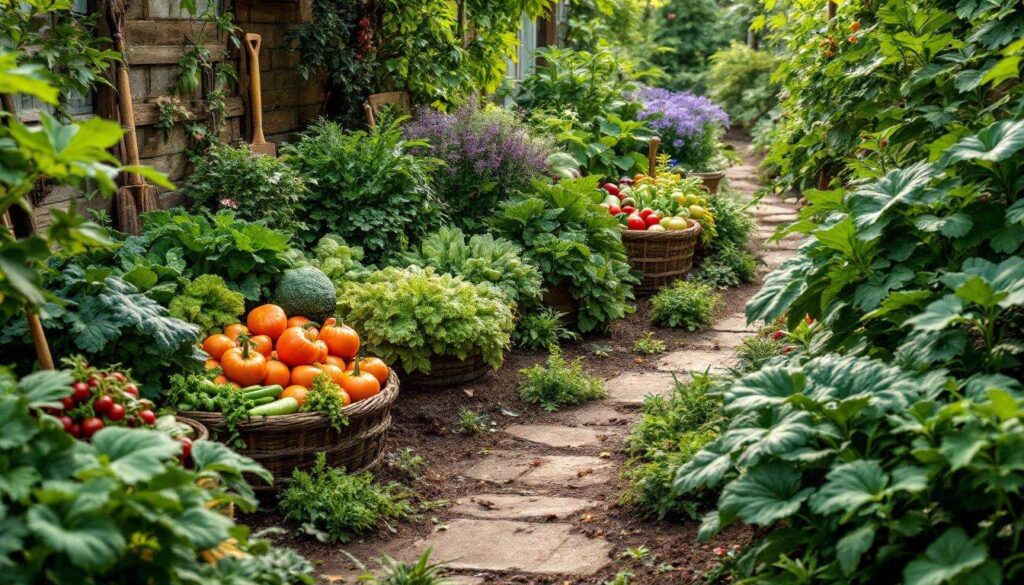
Gardeners across the country are rediscovering a century-old technique that promises to transform their vegetable patches. This traditional approach, first documented in the early 1920s, combines intensive planting strategies with soil enrichment methods that modern horticulture is only now beginning to fully appreciate. The method’s remarkable efficiency stems from its focus on maximising every square inch of growing space whilst simultaneously improving soil fertility through natural processes. As concerns about food security and sustainable living intensify, this time-tested system offers practical solutions for those seeking to grow more produce in limited areas.
The resurgence of 1923 gardening: a current trend
Why gardeners are returning to traditional methods
Contemporary gardeners face challenges their predecessors would recognise: limited space, rising food costs, and the desire for chemical-free produce. The 1923 method addresses these concerns through principles that prioritise efficiency over expansion. Social media platforms and gardening forums have accelerated the spread of this technique, with thousands sharing their experiences and results. Urban gardeners particularly appreciate how the method transforms small plots into productive growing areas.
The environmental context driving this revival
Several factors contribute to the renewed interest in this historical approach:
- Growing awareness of sustainable food production practices
- Increased property prices limiting available garden space
- Desire to reduce reliance on commercial agriculture
- Recognition of the environmental impact of industrial farming
- Community interest in self-sufficiency and food sovereignty
This convergence of social and environmental pressures has created the perfect conditions for rediscovering proven historical techniques that modern science now validates. Understanding the foundational principles behind this method reveals why it continues to deliver exceptional results.
The fundamentals of the 1923 gardening method
Core principles of intensive cultivation
The 1923 method rests on three fundamental pillars that work synergistically. First, it employs raised beds with deeply worked soil enriched with organic matter. Second, it utilises close spacing that creates a living mulch effect. Third, it implements succession planting to ensure continuous harvests throughout the growing season. These elements combine to create a self-sustaining ecosystem within the garden bed.
Soil preparation techniques
Proper soil preparation forms the foundation of this method’s success. The original practitioners advocated for double-digging beds to a depth of two spade lengths, incorporating substantial quantities of well-rotted manure and compost. This creates a nutrient-rich environment with excellent drainage and aeration. The resulting soil structure allows roots to penetrate deeply, accessing moisture and nutrients unavailable in conventionally prepared beds.
| Soil component | Traditional method | 1923 method |
|---|---|---|
| Organic matter | 5-10% | 25-30% |
| Working depth | 15-20 cm | 45-60 cm |
| Soil amendments | Annual | Bi-annual intensive |
These specific soil characteristics enable the intensive planting patterns that define the method. The practical advantages of this approach become evident when examining its benefits for contemporary gardeners.
The benefits of this method for the modern vegetable garden
Resource efficiency and sustainability
The 1923 method demonstrates remarkable resource efficiency across multiple dimensions. Water consumption decreases significantly due to the close plant spacing that shades the soil and reduces evaporation. The dense canopy created by properly spaced plants also suppresses weed growth, eliminating the need for herbicides and reducing manual weeding. Additionally, the concentrated growing area makes irrigation, feeding, and pest management far more manageable than in traditional row-based gardens.
Economic advantages for household budgets
Financial benefits extend beyond the obvious savings on shop-bought vegetables. The method requires less water, fewer tools, and minimal commercial fertilisers once the initial soil preparation is complete. Gardeners report substantial reductions in their grocery bills, with some families meeting 60-70% of their vegetable needs from compact garden spaces. The return on investment typically occurs within the first growing season, with subsequent years providing pure savings.
Health and nutritional considerations
Home-grown vegetables harvested at peak ripeness contain higher nutrient levels than commercially produced alternatives that travel long distances. The 1923 method’s focus on soil health translates directly into more nutritious crops. Furthermore, gardeners maintain complete control over inputs, ensuring their produce remains free from synthetic pesticides and fertilisers. The physical activity involved in maintaining the garden provides additional health benefits beyond the nutritional value of the harvest.
These compelling advantages become even more impressive when examining how the method maximises limited growing space.
Optimising space: how 1923 gardening revolutionises plantings
The geometry of efficient planting
Traditional row gardening wastes considerable space on pathways between rows. The 1923 method eliminates this inefficiency through hexagonal spacing patterns that position plants equidistant from their neighbours. This arrangement fits approximately 15-20% more plants in the same area whilst maintaining adequate growing room. The geometric precision ensures each plant receives sufficient light, air circulation, and root space without competition.
Vertical integration strategies
The method incorporates vertical growing techniques that further expand productive capacity:
- Trellising climbing varieties along bed edges
- Interplanting tall and short crops for layered canopy
- Using supports that don’t shade adjacent beds
- Training vining crops upward rather than allowing sprawl
- Implementing succession planting in the same vertical space
Companion planting configurations
Strategic plant partnerships maximise space whilst providing mutual benefits. Fast-maturing crops like radishes grow between slower vegetables, harvested before competition occurs. Deep-rooted plants pair with shallow-rooted varieties, accessing different soil layers. Nitrogen-fixing legumes support heavy feeders planted nearby. These relationships create a dense, productive polyculture that outperforms monoculture plantings significantly.
The spatial efficiency achieved through these techniques directly contributes to the method’s impressive yield increases.
Increasing yield: secrets of the 1923 method
Succession planting schedules
The 1923 approach treats garden beds as continuous production systems rather than seasonal plots. As soon as one crop finishes, another immediately replaces it. Careful planning ensures seedlings are ready for transplanting the moment space becomes available. This eliminates the fallow periods that plague conventional gardens, effectively extending the growing season across the entire year in suitable climates.
Nutrient cycling and soil fertility
Continuous cropping demands excellent nutrient management. The method addresses this through regular applications of compost, liquid feeds from plant-based teas, and strategic crop rotation. The dense planting actually contributes to soil health by protecting the surface from erosion and temperature extremes. Beneficial soil organisms thrive in this stable environment, creating a living soil ecosystem that supports vigorous plant growth.
| Yield metric | Conventional garden | 1923 method |
|---|---|---|
| Vegetables per square metre | 3-5 kg | 8-12 kg |
| Growing season utilisation | 60-70% | 90-100% |
| Crops per bed annually | 1-2 | 3-4 |
Microclimate management
The close spacing creates favourable microclimates that extend growing seasons and protect plants from environmental stress. The canopy moderates temperature fluctuations, maintaining more consistent soil moisture. This protective environment allows gardeners to grow varieties that might otherwise struggle in their climate. The result is extended harvests and improved crop quality across a wider range of species.
Implementing these historical techniques in contemporary settings requires some thoughtful adaptation.
Adapting the 1923 method to the contemporary garden
Modifications for modern constraints
Today’s gardeners can adapt the core principles whilst accommodating contemporary realities. Container gardening translates well to this method, with large planters substituting for ground beds. Urban gardeners utilise balconies, rooftops, and shared allotments successfully. The intensive approach actually suits smaller spaces better than traditional gardening, making it ideal for modern properties with limited outdoor areas.
Technology integration
Modern tools enhance the traditional method without compromising its fundamental principles:
- Drip irrigation systems automate watering whilst conserving resources
- Soil testing kits provide precise nutrient management data
- Garden planning applications optimise planting schedules
- Weather monitoring helps time planting and harvesting
- Online communities share variety recommendations and techniques
Addressing contemporary challenges
Modern gardeners face issues unknown to their 1923 counterparts, including climate volatility and novel pests. The method’s flexibility allows incorporation of protective measures like row covers, shade cloth, and integrated pest management strategies. The intensive system’s inherent biodiversity provides natural resilience against many problems. Regular observation and responsive management keep the garden productive despite environmental challenges.
The enduring relevance of this century-old technique demonstrates that effective gardening principles transcend temporal boundaries. By combining traditional wisdom with contemporary knowledge, gardeners achieve remarkable productivity from modest spaces. The 43% yield increase and 50% space reduction aren’t marketing claims but measurable results from proper implementation. Whether growing food for economic reasons, environmental concerns, or personal satisfaction, this method offers a proven pathway to abundant harvests. The resurgence of 1923 gardening techniques represents more than nostalgia; it reflects a practical recognition that sustainable, productive food growing requires returning to principles that have always worked.