
Providing food for wild birds has become one of the most rewarding hobbies for nature enthusiasts across the country. With the right selection of seeds, your garden can transform into a bustling hub of avian activity, attracting a diverse range of species throughout the year. However, not all bird seed is created equal, and understanding which varieties appeal to different birds can make the difference between an empty feeder and a thriving wildlife sanctuary.
Understanding the importance of bird seed
Why quality matters for bird health
The nutritional value of bird seed directly impacts the health and survival of visiting birds. High-quality seeds provide essential fats, proteins, and carbohydrates that birds need to maintain their energy levels, especially during harsh weather conditions. Poor-quality seed mixtures often contain fillers such as wheat, barley, and oats that many birds simply reject, leading to wastage and attracting unwanted pests.
Experts emphasise that fresh, properly stored seeds retain their nutritional properties far better than stale alternatives. Seeds that have been exposed to moisture can develop harmful moulds and bacteria, potentially causing illness in birds. Investing in premium seed varieties ensures that you are supporting rather than compromising the wellbeing of your feathered visitors.
The role of seed in different seasons
Bird feeding requirements vary considerably throughout the year. During spring and summer, birds need protein-rich foods to support breeding and raising their young. Autumn demands high-energy seeds to help birds build fat reserves, whilst winter requires calorie-dense options to help them survive cold nights.
Understanding these seasonal variations helps you select appropriate seed mixtures that genuinely benefit birds rather than simply attracting them. This knowledge forms the foundation for making informed choices about which seeds to offer.
The most attractive seeds according to experts
Black sunflower seeds: the universal favourite
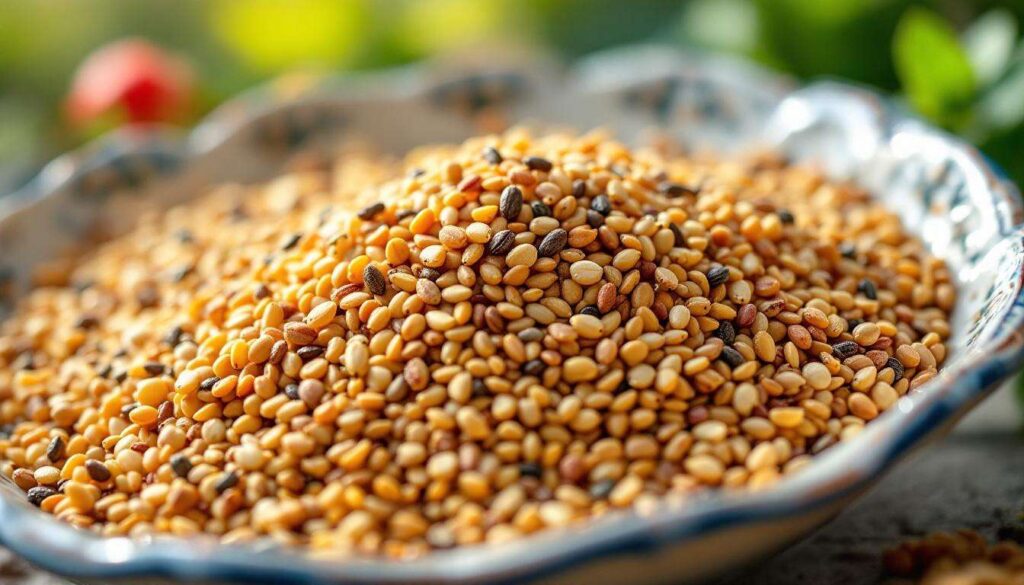
Black sunflower seeds consistently rank as the most popular choice amongst ornithologists and bird enthusiasts. These seeds contain higher oil content than their striped counterparts, providing maximum energy in a compact package. Their thin shells make them accessible to a wide variety of species, from finches and tits to nuthatches and woodpeckers.
The versatility of black sunflower seeds makes them an essential component of any bird feeding programme. They attract more species than any other single seed type, making them excellent value despite their higher cost.
Nyjer seeds for finches
Nyjer seeds, also known as thistle seeds, are tiny black seeds that specifically attract finches. Goldfinches, siskins, and redpolls find these seeds irresistible. The seeds require specialised feeders with small ports to prevent spillage, but the investment is worthwhile for anyone wanting to attract these colourful visitors.
| Seed Type | Primary Attractants | Energy Content |
|---|---|---|
| Black sunflower | Tits, finches, nuthatches | High |
| Nyjer | Goldfinches, siskins | Very high |
| Peanuts | Woodpeckers, tits, nuthatches | Very high |
| Millet | Sparrows, dunnocks | Moderate |
Peanuts and their popularity
Whilst technically legumes rather than seeds, peanuts deserve mention as one of the most effective bird attractants. They must be unsalted and aflatoxin-free to ensure bird safety. Whole peanuts can be offered in mesh feeders, whilst crushed or kibbled peanuts suit table feeding.
These protein-rich offerings appeal particularly to tits, woodpeckers, and nuthatches, providing essential nutrients during energy-intensive periods. With these fundamental seed types established, the next consideration involves selecting the right combinations for your specific requirements.
How to choose the best variety of seeds
Assessing your local bird population
The most effective approach begins with observing which species already visit your garden or local area. Different regions support different bird populations, and tailoring your seed selection to match local species ensures better results and less waste.
- Keep a log of visiting species over several weeks
- Note which birds visit at different times of day
- Research the dietary preferences of your most common visitors
- Consider seasonal variations in local bird populations
Reading seed mixture labels carefully
Commercial seed mixtures vary dramatically in quality and composition. Premium mixtures contain higher proportions of sunflower seeds, peanuts, and other favourites, whilst budget options often include significant amounts of filler grains that birds reject.
Look for mixtures that list their ingredients by percentage and avoid those with excessive amounts of wheat, barley, or split peas. The best value comes from mixtures where most ingredients will actually be consumed rather than scattered on the ground.
Considering feeder compatibility
Different seeds require different feeder types for optimal presentation. Nyjer seeds need fine-mesh feeders, whilst larger seeds work well in standard tube or hopper feeders. Ground-feeding species prefer seeds scattered on feeding tables or directly on the ground in suitable areas.
Matching your seed selection to your existing feeders, or planning feeder purchases around your preferred seeds, creates a more efficient feeding system. However, even the finest seeds prove ineffective if common purchasing errors undermine your efforts.
Mistakes to avoid when buying seeds
Purchasing excessive quantities
Buying seed in bulk may seem economical, but seeds deteriorate over time. Once opened, seed bags are vulnerable to moisture, insects, and rancidity. Purchase only what you can use within four to six weeks, storing it in airtight containers in cool, dry conditions.
Choosing cheap mixed seeds
Budget seed mixtures often contain high proportions of wheat, barley, and milo that most garden birds ignore. These fillers end up scattered beneath feeders, attracting rats and pigeons rather than the desirable species you hope to see. The apparent savings evaporate when you consider the actual consumption rate.
- Avoid mixtures with more than 20% filler grains
- Check for visible signs of dust or broken seeds
- Reject any bags showing moisture damage
- Compare cost per consumed seed rather than per kilogram
Ignoring storage requirements
Improper storage rapidly degrades seed quality. Metal bins with tight-fitting lids protect against moisture and vermin whilst keeping seeds fresh. Never store seeds in damp sheds or garages where condensation can promote mould growth.
These purchasing pitfalls addressed, attention can turn to broader strategies for making your garden irresistible to birds.
Tips for maximising the attractiveness of your garden
Providing multiple feeding stations
Rather than concentrating all resources in one location, distribute several feeders throughout your garden. This approach reduces competition, allows nervous species to feed away from dominant birds, and creates multiple viewing opportunities.
Maintaining cleanliness and hygiene
Regular cleaning of feeders prevents disease transmission amongst bird populations. Weekly washing with mild disinfectant solution, followed by thorough rinsing and drying, should be standard practice. Remove and dispose of any mouldy or wet seeds immediately.
Offering complementary resources
Seeds alone do not create an ideal bird habitat. Consider these additional elements:
- Fresh water for drinking and bathing
- Native plants providing natural food sources
- Sheltered areas for roosting and nesting
- Varied feeder heights to suit different species
Creating a comprehensive feeding environment that addresses multiple bird needs transforms your garden into a genuine wildlife haven rather than simply a feeding station.
Selecting appropriate bird seed represents just one element of successful bird feeding, but it is perhaps the most crucial. By focusing on high-quality seeds that genuinely appeal to your target species, avoiding common purchasing mistakes, and supporting your feeding programme with proper hygiene and complementary resources, you create conditions that benefit both birds and observers. The investment in premium seeds pays dividends through increased bird activity, greater species diversity, and the satisfaction of knowing you are genuinely supporting local wildlife populations throughout the year.