


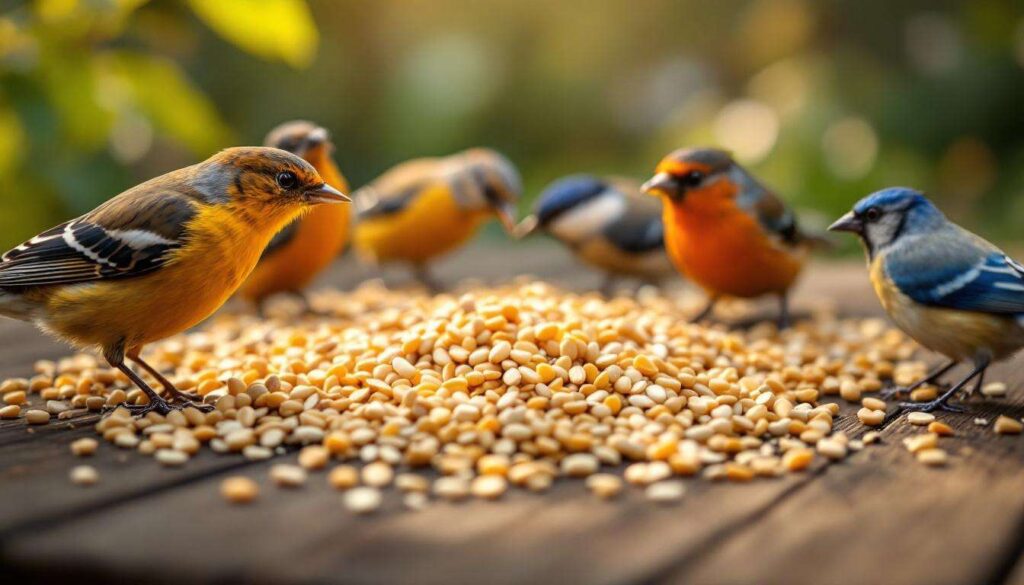
Attracting birds to your garden requires more than simply scattering any seeds on the ground. Understanding what different species prefer and selecting high-quality options can transform your outdoor space into a thriving avian haven. Experts agree that the type of seed you offer plays a crucial role in determining which birds visit and how frequently they return. With countless products available on the market, knowing which seeds deliver the best results can save both time and money whilst ensuring your feathered visitors receive proper nutrition.
Understanding the dietary needs of birds
Birds have evolved with diverse nutritional requirements that vary significantly between species. Their dietary needs depend on factors such as body size, metabolic rate, and seasonal demands. During breeding season, for example, many birds require protein-rich foods to support egg production and chick development, whilst winter months demand high-energy options to maintain body temperature.
Nutritional components birds seek
The primary nutrients birds obtain from seeds include fats, proteins, and carbohydrates. Different seed types offer varying proportions of these essential elements:
- Fats provide concentrated energy for flight and thermoregulation
- Proteins support feather growth and muscle development
- Carbohydrates offer quick energy for daily activities
- Vitamins and minerals maintain overall health and immune function
Oil-rich seeds such as sunflower and nyjer contain high fat content, making them particularly valuable during colder months. Conversely, smaller seeds with harder shells provide essential minerals that aid digestion through grit consumption.
Seasonal variations in bird feeding behaviour
Bird feeding patterns shift throughout the year. Spring and summer bring natural food abundance, reducing reliance on feeders, whilst autumn and winter create increased dependency on supplementary feeding. Understanding these patterns helps optimise your feeding strategy and ensures birds receive appropriate nutrition when they need it most.
These dietary considerations naturally lead to examining which specific seeds prove most effective at attracting diverse bird populations.
The most popular seeds for attracting a variety of birds
Certain seeds have earned reputations as universal attractants due to their broad appeal across multiple species. These options consistently deliver results for both novice and experienced bird enthusiasts.
Black sunflower seeds
Black sunflower seeds rank as the gold standard for bird feeding. Their thin shells make them accessible to birds of all sizes, whilst their high oil content provides excellent nutritional value. Species ranging from finches to woodpeckers readily consume these seeds.
Nyjer seeds
Also known as thistle, nyjer seeds specifically attract small finches including goldfinches and siskins. These tiny black seeds require specialised feeders with small ports to prevent spillage, but their effectiveness with finch species makes them invaluable for targeted feeding.
Peanuts and peanut granules
Peanuts offer exceptional protein content and attract larger birds such as:
- Great spotted woodpeckers
- Nuthatches
- Blue tits
- Great tits
- Jays
Always provide unsalted, aflatoxin-tested peanuts to ensure bird safety. Whole peanuts should only be offered during winter to prevent choking hazards for nestlings.
Millet varieties
Red and white millet appeal to ground-feeding species including sparrows, dunnocks, and collared doves. These small, round seeds work well in ground feeders or scattered on bird tables.
Knowing these popular options provides a foundation, but matching seeds to specific species yields even better results.
How to choose the best seed according to bird species
Tailoring your seed selection to target specific birds maximises both attraction rates and feeding efficiency. Different species exhibit distinct preferences based on their beak structure, feeding behaviour, and natural diet.
Seeds for finches and small songbirds
| Bird Species | Preferred Seeds | Feeder Type |
|---|---|---|
| Goldfinches | Nyjer, sunflower hearts | Tube feeders with small ports |
| Chaffinches | Sunflower seeds, millet | Ground feeders, bird tables |
| Greenfinches | Black sunflower, peanuts | Hanging feeders, platforms |
Seeds for larger garden birds
Larger species including woodpeckers, thrushes, and blackbirds require different provisions. Woodpeckers favour peanuts and suet-based products, whilst thrushes and blackbirds prefer ground feeding with mealworms supplementing seed offerings.
Attracting specialist feeders
Some species demonstrate highly specific preferences. Siskins, for instance, show strong attraction to nyjer and red sunflower seeds, whilst tree sparrows favour mixed seed combinations containing millet and wheat.
Beyond species preferences, the quality of seeds themselves significantly impacts feeding success.
The importance of seed quality for birds
Seed quality directly affects both bird health and feeding station popularity. Poor-quality seeds may contain contaminants, lack nutritional value, or fail to attract birds altogether.
Indicators of high-quality bird seed
Premium seeds exhibit several distinguishing characteristics:
- Clean appearance without dust, debris, or mould
- Plump, well-formed kernels indicating proper maturation
- Fresh smell without musty or rancid odours
- Minimal presence of filler seeds or empty husks
- Proper storage in moisture-resistant packaging
Risks associated with poor-quality seeds
Contaminated seeds pose serious health risks to birds. Mould produces aflatoxins that can prove fatal, particularly in wet conditions. Additionally, low-quality mixes often contain excessive filler that birds reject, creating waste and attracting rodents.
Storage and freshness considerations
Even premium seeds deteriorate if stored improperly. Keep seeds in cool, dry locations within sealed containers to prevent moisture absorption and pest infestation. Purchase quantities you can use within four to six weeks to ensure optimal freshness.
Quality considerations extend to whether individual seeds or mixed varieties better serve your feeding goals.
Seed mixes: advantages and disadvantages
Pre-mixed seed combinations offer convenience but present both benefits and drawbacks that merit careful consideration.
Benefits of seed mixes
Mixed seeds provide variety in a single product, potentially attracting diverse species simultaneously. They offer convenience for those beginning bird feeding or maintaining multiple feeding stations. Quality mixes eliminate the need to purchase and store separate seed types.
Common problems with commercial mixes
Many commercial mixes contain significant proportions of filler seeds that British birds largely ignore. These often include:
- Wheat and barley that appeal primarily to pigeons
- Split peas and dried pulses with limited appeal
- Excessive milo or sorghum rejected by most species
Birds selectively feed, scattering unwanted seeds that create mess and germinate beneath feeders.
Creating custom seed mixes
| Mix Purpose | Recommended Composition | Target Species |
|---|---|---|
| All-purpose mix | 60% black sunflower, 30% sunflower hearts, 10% peanut granules | Wide variety |
| Finch-focused mix | 50% nyjer, 50% sunflower hearts | Goldfinches, siskins |
| Ground-feeder mix | 40% millet, 30% wheat, 30% sunflower hearts | Sparrows, dunnocks |
Custom blending allows precise control over ingredients whilst eliminating waste from rejected seeds.
Understanding seed selection naturally progresses to implementing effective feeding strategies.
Practical tips for feeding and attracting more birds
Successful bird feeding extends beyond seed selection to encompass feeder placement, maintenance, and supplementary practices that maximise avian visits.
Optimal feeder placement
Position feeders where birds feel secure, ideally near cover such as shrubs or trees that provide escape routes from predators. Maintain two to three metres distance from dense vegetation to prevent cat ambushes. Place feeders at varying heights to accommodate different species’ preferences.
Maintaining hygiene standards
Regular cleaning prevents disease transmission between birds. Clean feeders weekly using hot water and wildlife-safe disinfectant, ensuring thorough drying before refilling. Remove and dispose of spoiled seeds promptly, particularly after wet weather.
Supplementary feeding strategies
Enhance seed offerings with complementary provisions:
- Fresh water for drinking and bathing year-round
- Suet products during winter months
- Mealworms during breeding season
- Fruit for thrushes and blackbirds
Timing and consistency
Birds develop feeding routines based on reliable food sources. Maintain consistent feeding schedules, particularly during winter when birds depend on supplementary provisions. Early morning and late afternoon represent peak feeding times when replenishment proves most effective.
Selecting appropriate bird seeds represents a balance between understanding avian nutritional needs, recognising species preferences, and maintaining quality standards. Black sunflower seeds emerge as the most versatile option, attracting the widest variety of species, whilst specialist seeds like nyjer target specific birds effectively. Quality consistently outweighs quantity, with fresh, clean seeds delivering superior results compared to cheap mixes containing excessive filler. Whether choosing commercial products or creating custom blends, prioritising nutritional value and species-specific preferences transforms any garden into a vibrant haven for feathered visitors throughout the seasons.