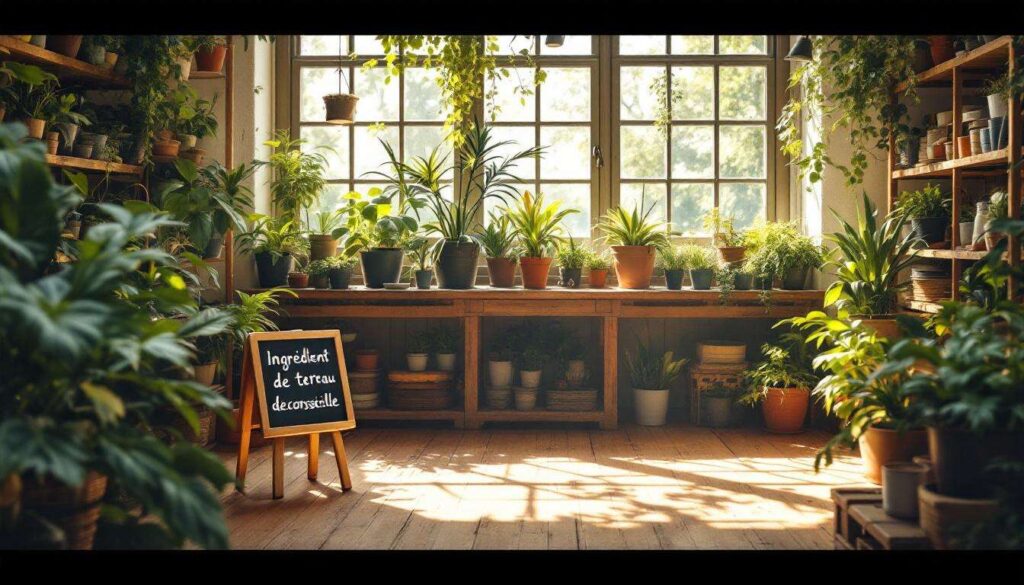
Garden centres across the country have quietly shifted their recommendations when it comes to houseplant soil mixes, with one traditional ingredient falling dramatically out of favour. This change reflects growing environmental awareness and a push towards more sustainable horticultural practices. Understanding what goes into your potting mix and why certain components are no longer endorsed can help you make informed choices for both your plants and the planet.
What is houseplant soil ?
The foundation of indoor plant health
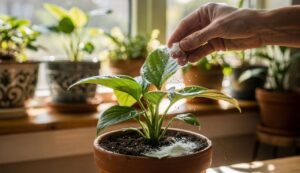
Houseplant soil is a carefully formulated growing medium designed to provide optimal conditions for plants cultivated indoors. Unlike garden soil, which can be too dense and harbour pathogens when used in containers, houseplant soil offers a balanced structure that supports root development whilst ensuring adequate drainage and aeration.
The primary functions of houseplant soil include:
- Anchoring plant roots securely within the container
- Retaining sufficient moisture without becoming waterlogged
- Allowing oxygen to reach the root system
- Providing essential nutrients for plant growth
- Maintaining an appropriate pH level for nutrient absorption
Tailored mixes for different plant needs
Not all houseplants require the same type of soil. Cacti and succulents thrive in fast-draining mixes with higher mineral content, whilst tropical plants prefer moisture-retentive substrates rich in organic matter. Orchids demand highly specialised bark-based media, and carnivorous plants need acidic, nutrient-poor conditions. This diversity in plant requirements has led to the development of numerous specialised potting mix formulations available at garden centres.
Understanding these basic principles helps explain why the composition of houseplant soil matters so significantly, and why changes to standard ingredients have sparked considerable discussion amongst gardeners and environmental advocates alike.
Common ingredients in houseplant soil
Traditional components of potting mixes
Standard houseplant soil typically contains a combination of organic and inorganic materials, each serving specific purposes. The most frequently encountered ingredients include:
- Compost or composted bark for nutrient content and structure
- Coir fibre as a moisture-retaining component
- Perlite for improved drainage and aeration
- Vermiculite to retain water and nutrients
- Sand or grit for weight and drainage
- Worm castings for slow-release nutrition
How ingredients work together
The synergy between components determines the overall performance of a potting mix. Organic materials provide nutrients as they decompose, whilst inorganic elements maintain structural integrity over time. Drainage materials prevent root rot by ensuring excess water can escape, and moisture-retentive ingredients reduce the frequency of watering required.
| Ingredient | Primary function | Percentage in typical mix |
|---|---|---|
| Compost | Nutrition and structure | 30-40% |
| Coir or peat | Moisture retention | 30-50% |
| Perlite | Drainage | 10-20% |
| Vermiculite | Water and nutrient holding | 10-15% |
This careful balance has been refined over decades, but recent environmental concerns have prompted a re-evaluation of one particularly controversial ingredient that dominated potting mixes for generations.
The forgotten component: which one and why ?
Peat: the ingredient garden centres abandoned
Peat moss is the component that garden centres stopped recommending. For decades, it was considered the gold standard in houseplant soil mixes, prized for its excellent water retention, consistent quality, and ability to create a light, fluffy texture. However, mounting evidence of its environmental impact led to a dramatic shift in the horticultural industry.
Garden centres began phasing out peat-based products due to:
- Increased consumer awareness of environmental issues
- Government policies discouraging peat extraction
- Availability of viable alternatives
- Pressure from environmental organisations
- Retail chains committing to peat-free ranges
The timeline of change
The movement away from peat accelerated significantly in recent years. Major retailers announced ambitious targets to eliminate peat from their product lines, with many committing to complete phase-outs. Professional growers and garden centres followed suit, reformulating their house-brand potting mixes and prominently featuring peat-free alternatives on their shelves.
This widespread industry shift reflects not just environmental concerns, but also recognition that continuing to promote peat was becoming increasingly untenable from both ethical and commercial perspectives.
Environmental impacts of the controversial component
Peatland destruction and carbon release
Peat extraction causes severe environmental damage that extends far beyond the immediate extraction site. Peatlands are among the planet’s most effective carbon sinks, storing twice as much carbon as all the world’s forests combined. When these ecosystems are drained and harvested for horticultural use, they release vast quantities of stored carbon dioxide into the atmosphere.
The environmental consequences include:
- Loss of crucial carbon storage capacity
- Destruction of unique bog ecosystems
- Habitat loss for specialised wildlife species
- Disruption of natural water filtration systems
- Contribution to climate change through greenhouse gas emissions
Biodiversity and ecosystem services
Peatlands support extraordinary biodiversity, hosting rare plants, insects, birds, and other wildlife found nowhere else. These ecosystems develop over thousands of years, making their destruction effectively irreversible on human timescales. The loss extends beyond individual species to encompass entire ecological communities and the services they provide, including flood regulation and water purification.
| Environmental impact | Scale of concern |
|---|---|
| Carbon emissions | Global climate implications |
| Habitat destruction | Species extinction risk |
| Water cycle disruption | Regional flooding increase |
| Peatland recovery time | Thousands of years |
These stark realities prompted the horticultural industry to seek alternatives that could provide similar benefits without the devastating environmental cost.
Eco-friendly and effective alternatives
Coir: the leading replacement
Coconut coir has emerged as the primary substitute for peat in houseplant soil mixes. This renewable resource, derived from coconut husk fibres, offers comparable water retention and aeration properties whilst being a byproduct of existing coconut production. Coir performs exceptionally well in potting mixes and requires minimal processing.
Other sustainable options
Beyond coir, several other materials provide environmentally responsible alternatives:
- Composted bark from sustainable forestry operations
- Wood fibre derived from sawmill waste
- Green compost made from municipal garden waste
- Biochar for improved water retention and carbon sequestration
- Rice hulls as a drainage component
Performance comparison
| Material | Water retention | Sustainability | Cost |
|---|---|---|---|
| Peat | Excellent | Poor | Low |
| Coir | Very good | Excellent | Moderate |
| Composted bark | Good | Very good | Moderate |
| Wood fibre | Good | Very good | Low-moderate |
These alternatives demonstrate that effective plant cultivation need not come at the expense of environmental protection, making the choice of peat-free products both practical and principled.
Tips for choosing the right soil for your plants
Reading product labels
When selecting houseplant soil, scrutinise the ingredients list carefully. Look for products clearly labelled as peat-free and check the specific components included. Understanding what each ingredient contributes helps you match the mix to your plants’ requirements. Be wary of vague terms like “organic matter” without specification.
Matching soil to plant type
Different plants demand different growing media. Consider these guidelines:
- Tropical houseplants: coir-based mixes with added perlite
- Succulents and cacti: gritty, fast-draining formulations with minimal organic content
- Ferns and moisture-loving plants: higher proportion of water-retentive materials
- Aroids: chunky mixes with bark and perlite for aeration
Quality indicators
Premium potting mixes share certain characteristics regardless of specific ingredients. They should feel light and fluffy when dry, absorb water readily rather than repelling it, and contain visible structural components rather than appearing as uniform powder. Avoid mixes with strong ammonia smells, which indicate incomplete composting.
The shift away from peat represents a positive step towards sustainable gardening practices, demonstrating that environmental responsibility and horticultural success can flourish together.
The horticultural industry’s move away from peat marks a significant milestone in sustainable gardening. Peat moss, once ubiquitous in houseplant soil, has been largely abandoned by garden centres due to its severe environmental impact on carbon-storing peatlands. Alternatives such as coir, composted bark, and wood fibre now provide effective, eco-friendly options that perform comparably without the ecological cost. By choosing peat-free products and matching soil composition to individual plant needs, gardeners can cultivate thriving indoor gardens whilst supporting vital conservation efforts.