
Potted plants bring life and colour to indoor spaces, yet many struggle to thrive due to inconsistent watering practices. The challenge of maintaining proper moisture levels becomes particularly acute when daily schedules prevent regular attention to plant care. A slow-drip watering bottle offers a practical solution by delivering water gradually and steadily, mimicking natural rainfall patterns whilst protecting delicate root systems from the stress caused by erratic hydration.
Understanding root shock in potted plants
What causes root shock in container-grown plants
Root shock occurs when plants experience sudden changes in their growing environment, particularly regarding moisture availability. In potted plants, this phenomenon manifests when roots encounter dramatic fluctuations between bone-dry soil and waterlogged conditions. The confined space of containers makes plants especially vulnerable, as roots cannot spread outward to seek moisture as they would in garden beds.
Several factors contribute to this stress response:
- Irregular watering schedules that alternate between drought and saturation
- Poor drainage systems that trap excess water around roots
- Rapid temperature changes affecting soil moisture evaporation rates
- Compacted soil that prevents even water distribution
Recognising the symptoms of moisture stress
Plants suffering from root shock display distinctive warning signs that attentive gardeners can identify early. Leaves may wilt despite adequate watering, or develop brown, crispy edges indicating cellular damage. Stunted growth, yellowing foliage, and premature leaf drop all signal that roots are struggling to function properly. In severe cases, the plant may enter dormancy or simply collapse as its vascular system fails to transport nutrients effectively.
The microscopic damage occurs at the cellular level, where root hairs responsible for water absorption become damaged or die off entirely. Recovery requires time and stable conditions, during which the plant redirects energy from growth to survival and repair.
Understanding these physiological responses highlights why prevention through consistent moisture management proves far more effective than attempting to rescue stressed plants. This knowledge naturally leads to exploring solutions that maintain stable hydration levels.
How slow-drip watering bottles work
The mechanics of gradual water release
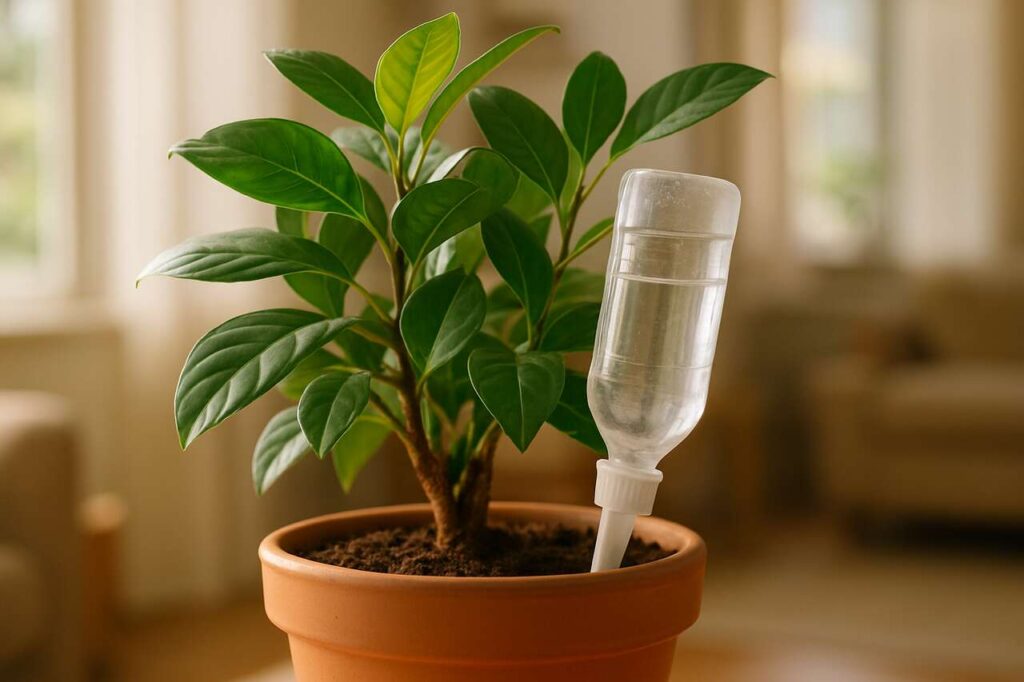
Slow-drip watering bottles operate on simple yet effective principles that regulate water flow through controlled release mechanisms. These devices typically feature a reservoir that holds water and a delivery system with small perforations or porous materials. When inserted into soil, gravity and capillary action work together to draw water from the bottle at a measured pace.
The release rate depends on several variables:
- Soil moisture content, which creates natural suction as it dries
- Size and number of outlet holes in the delivery system
- Bottle position and depth of insertion into the growing medium
- Ambient temperature affecting evaporation and plant uptake rates
Self-regulating hydration systems
The beauty of these devices lies in their responsive nature. As soil dries, it creates negative pressure that pulls water from the bottle. When moisture levels rise, this suction decreases, effectively slowing the drip rate. This self-adjusting mechanism means plants receive water precisely when needed, without human intervention or electronic timers.
Different designs achieve this goal through varied approaches, from terracotta stakes that allow water to seep through porous ceramic walls to plastic bottles with adjustable drip valves. Regardless of the specific design, all share the fundamental goal of delivering consistent, measured hydration that matches plant consumption rates.
This automated approach to plant care addresses the core challenge of maintaining optimal moisture levels, which directly connects to the broader advantages these systems provide.
The benefits of consistent watering for potted plants
Enhanced root development and plant health
Steady moisture availability encourages robust root system development, as plants can dedicate resources to growth rather than stress response. Roots spread evenly throughout the container, maximising their ability to absorb nutrients and anchor the plant securely. This comprehensive root network translates to healthier foliage, more abundant flowering, and improved overall vigour.
| Watering Method | Root Density | Growth Rate | Stress Indicators |
|---|---|---|---|
| Irregular manual watering | Sparse, shallow | Slow, inconsistent | Frequent wilting |
| Slow-drip system | Dense, extensive | Steady, vigorous | Minimal stress signs |
Time savings and reduced plant mortality
For busy households, the convenience factor cannot be overstated. A properly installed slow-drip bottle can maintain plants for several days to weeks, depending on bottle size and plant water requirements. This reliability proves invaluable during holidays, business trips, or simply hectic periods when daily watering becomes impractical.
Plant survival rates improve dramatically when moisture stress is eliminated. Novice gardeners particularly benefit, as the system compensates for inexperience and prevents the most common cause of houseplant failure: inconsistent watering.
These practical advantages make slow-drip systems appealing, yet selecting the appropriate device requires careful consideration of specific plant needs and container characteristics.
Choosing the right watering bottle for your plants
Matching bottle capacity to plant requirements
Different plants have vastly different hydration needs, and bottle selection must account for these variations. A small succulent requires far less water than a thirsty fern, whilst container size directly affects how quickly soil dries out. Calculate approximate water consumption by observing how frequently you currently water each plant, then choose a bottle capacity that covers your desired interval.
- Small bottles (250-500ml) suit herbs, succulents, and compact containers
- Medium bottles (750ml-1L) work well for standard houseplants in 15-20cm pots
- Large bottles (1.5-2L) serve substantial plants or extended absence periods
Material considerations and adjustability features
Terracotta stakes offer natural porosity and aesthetic appeal, blending seamlessly with traditional décor whilst providing gentle, even water release. Plastic systems typically cost less and often include adjustable flow controls, allowing fine-tuning for specific plant needs. Glass bottles provide visibility of remaining water levels, helping users anticipate refill requirements.
Look for systems with adjustable drip rates when growing diverse plant collections, as this flexibility accommodates varying moisture preferences without purchasing multiple device types.
Once you’ve selected an appropriate system, proper installation ensures optimal performance and plant protection.
How to easily install a slow-drip watering bottle
Preparing the container and device
Begin by thoroughly watering the plant using conventional methods to establish baseline moisture levels. This initial saturation ensures the slow-drip system maintains hydration rather than attempting to rescue a dehydrated plant. Clean the bottle or stake thoroughly, removing any manufacturing residue that might contaminate the soil.
Test the device before installation by filling it with water and observing the drip rate on a saucer. This preview helps identify any blockages or excessively fast flow that requires adjustment.
Positioning and securing the watering system
Insert the stake or bottle neck into the soil at a slight angle, positioning it midway between the plant stem and container edge. Push firmly but gently to achieve stable placement without damaging roots. The delivery point should sit approximately 5-8cm below the soil surface, ensuring water reaches the root zone directly rather than evaporating from the surface.
For bottles with spike attachments:
- Fill the bottle completely to create proper pressure
- Invert quickly whilst covering the opening to minimise spillage
- Insert the spike firmly into pre-moistened soil
- Check stability and adjust position if the bottle tilts excessively
Monitor the system for the first 24 hours, checking soil moisture at various depths to confirm even distribution. Adjust the drip rate or position if water pools on the surface or fails to penetrate adequately.
With installation complete, attention shifts to integrating this tool into a comprehensive plant care routine.
Caring for your indoor plants with optimised watering
Complementary care practices for thriving plants
Whilst slow-drip systems excel at moisture management, complete plant health requires attention to other factors. Light exposure remains critical, as inadequate illumination causes weak growth regardless of perfect watering. Position plants according to their specific light requirements, rotating them periodically to ensure even photosynthesis.
Fertilisation schedules should continue, as consistent moisture actually improves nutrient uptake efficiency. Use diluted liquid fertilisers at regular intervals, taking advantage of the stable soil conditions to deliver balanced nutrition.
Monitoring and maintaining the watering system
Regular checks ensure the system continues functioning properly. Inspect bottles weekly for algae growth or mineral deposits that might block delivery mechanisms. Clean components monthly using mild soap and warm water, rinsing thoroughly before refilling.
Observe plant response over time, as seasonal changes affect water consumption rates. Summer heat and active growth periods may require larger bottles or more frequent refills, whilst winter dormancy reduces demand significantly.
Soil quality deteriorates gradually in containers, becoming compacted and reducing water infiltration. Refresh the growing medium annually, incorporating organic matter to maintain proper structure that works harmoniously with slow-drip irrigation.
Slow-drip watering bottles represent a practical innovation that addresses one of indoor gardening’s most persistent challenges. By delivering consistent moisture that prevents root shock, these devices promote healthier plants with stronger root systems and improved resilience. The self-regulating nature of quality systems eliminates guesswork whilst providing flexibility for varied lifestyles. Selecting appropriate bottle sizes, installing devices correctly, and integrating them into comprehensive care routines maximises their effectiveness. For both novice and experienced plant enthusiasts, this simple technology offers reliable hydration management that transforms plant care from a daily chore into an effortless pleasure, ensuring thriving greenery that enhances living spaces throughout the year.